
Last updated November 2, 2026
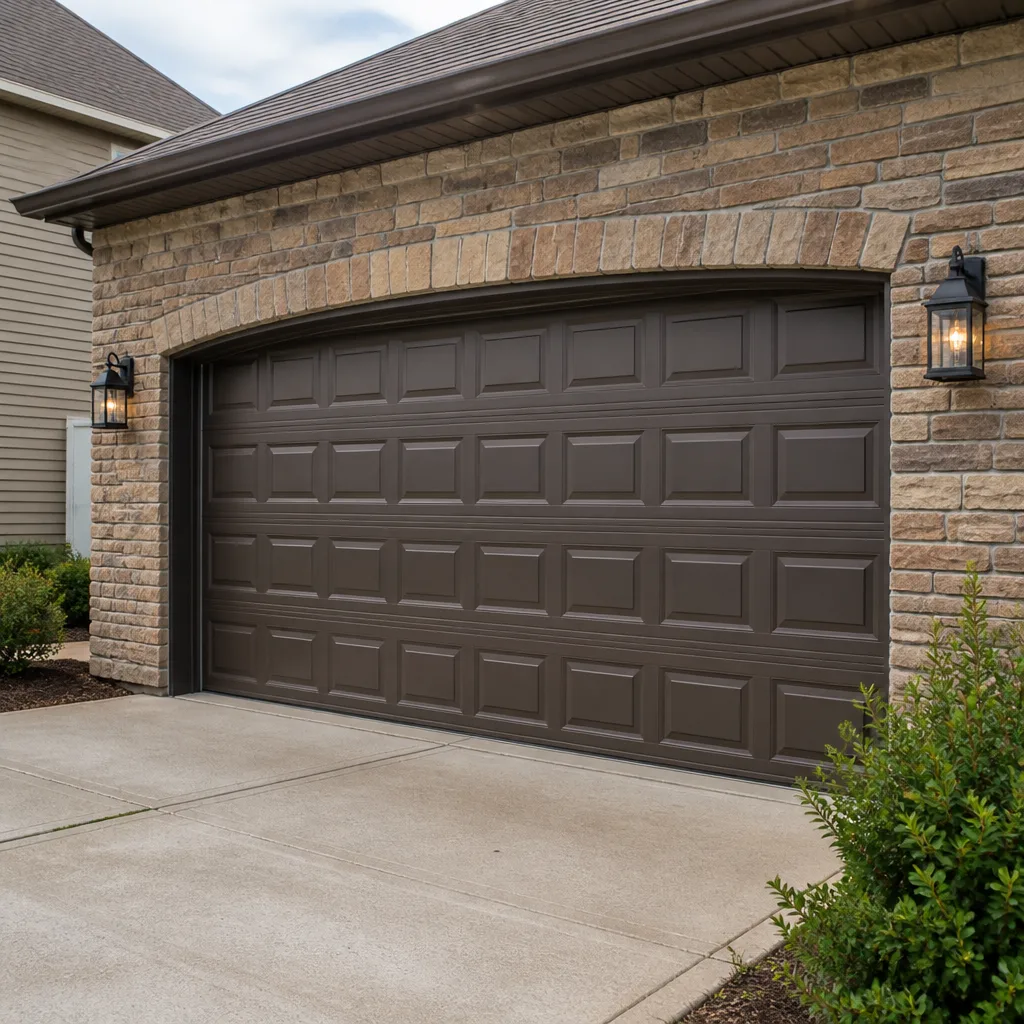 Raised-panel steel
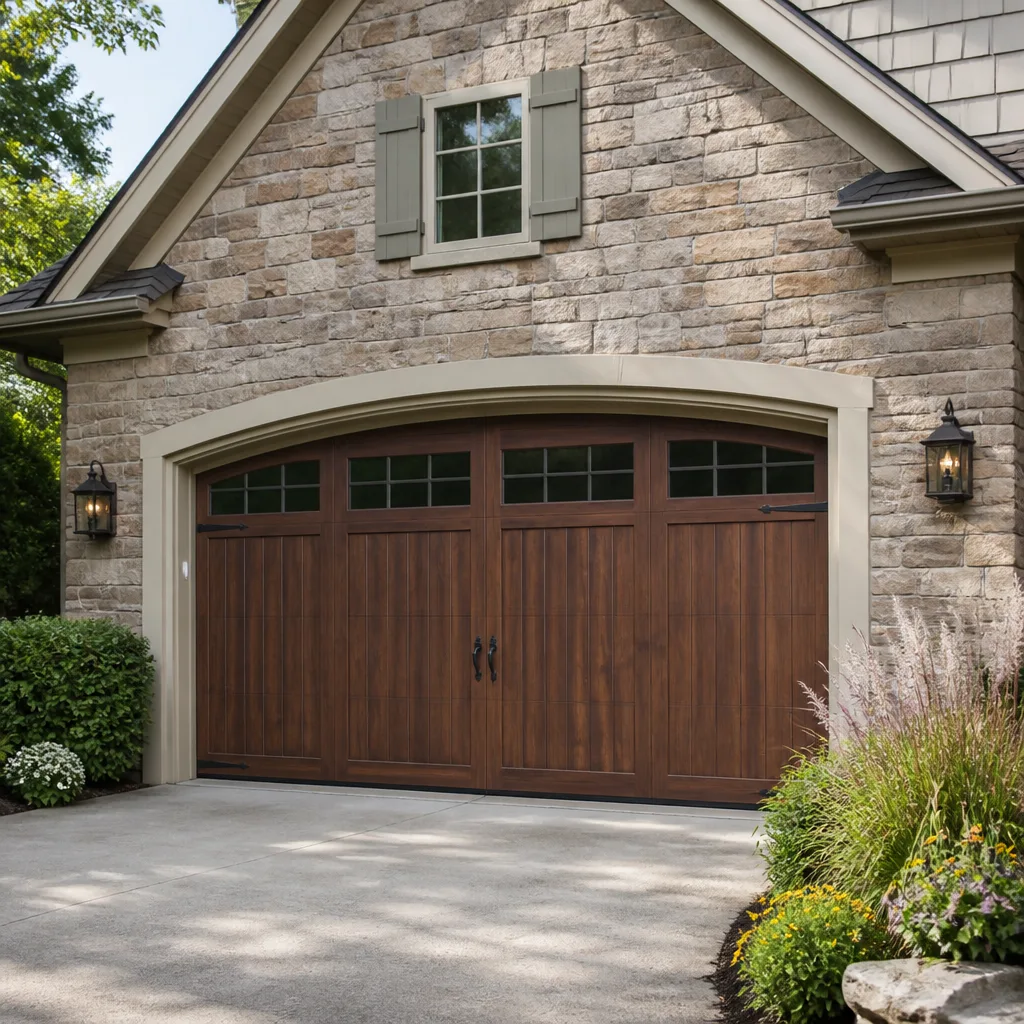 Carriage house
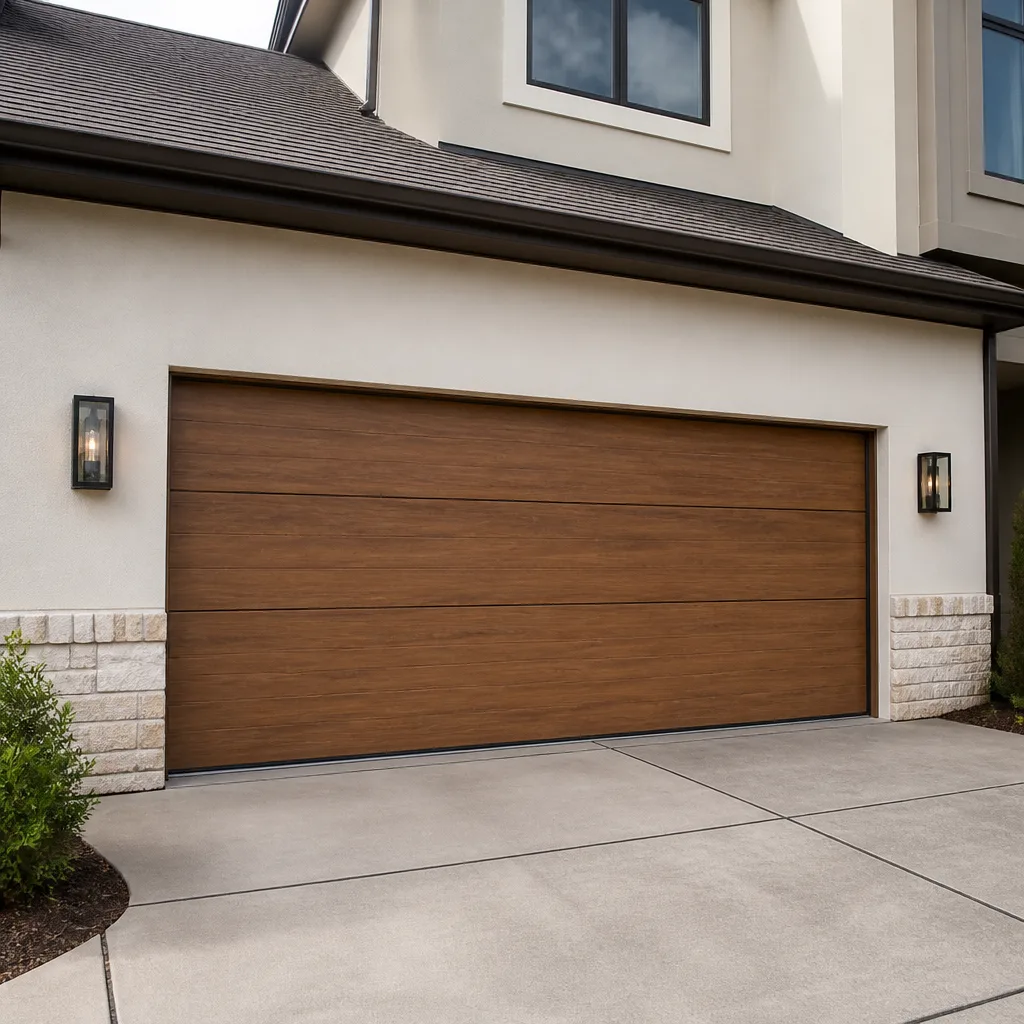 Modern flush
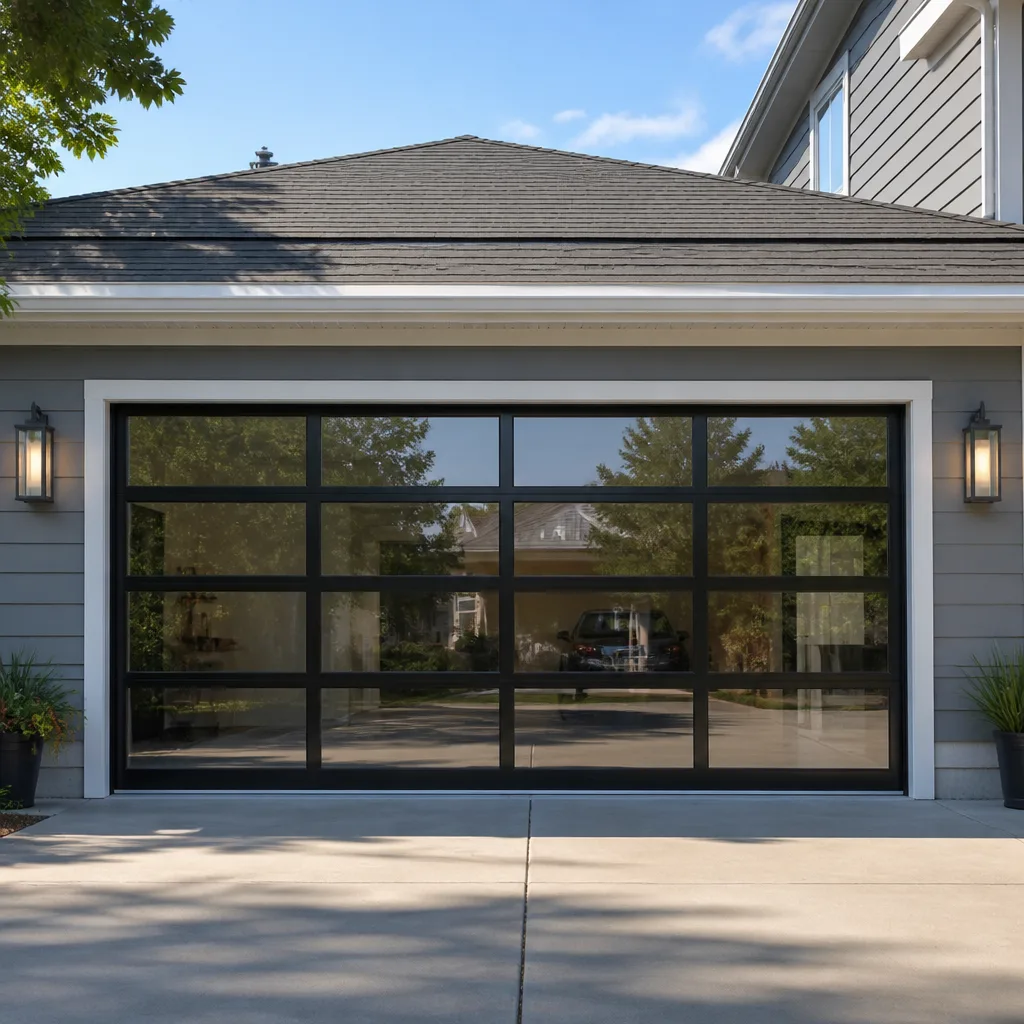 Full-view glass
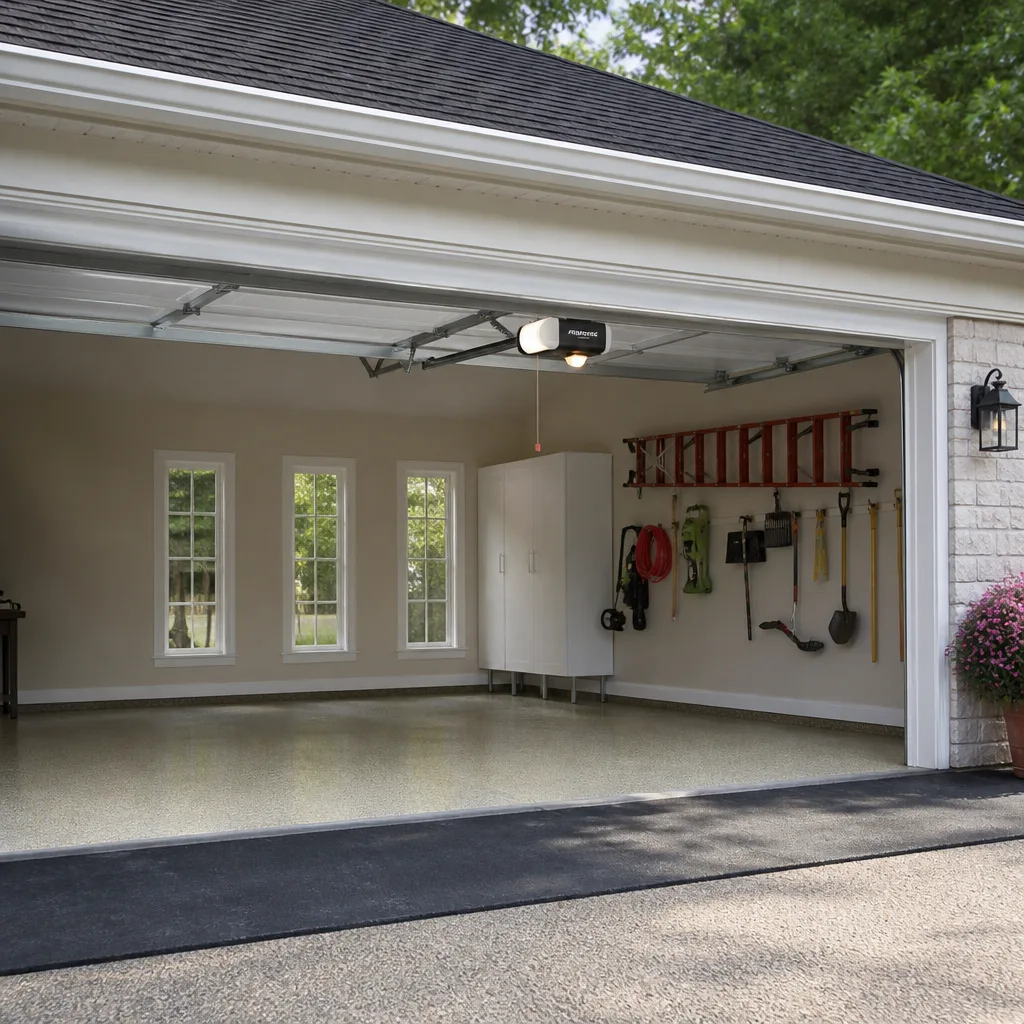 LiftMaster openers
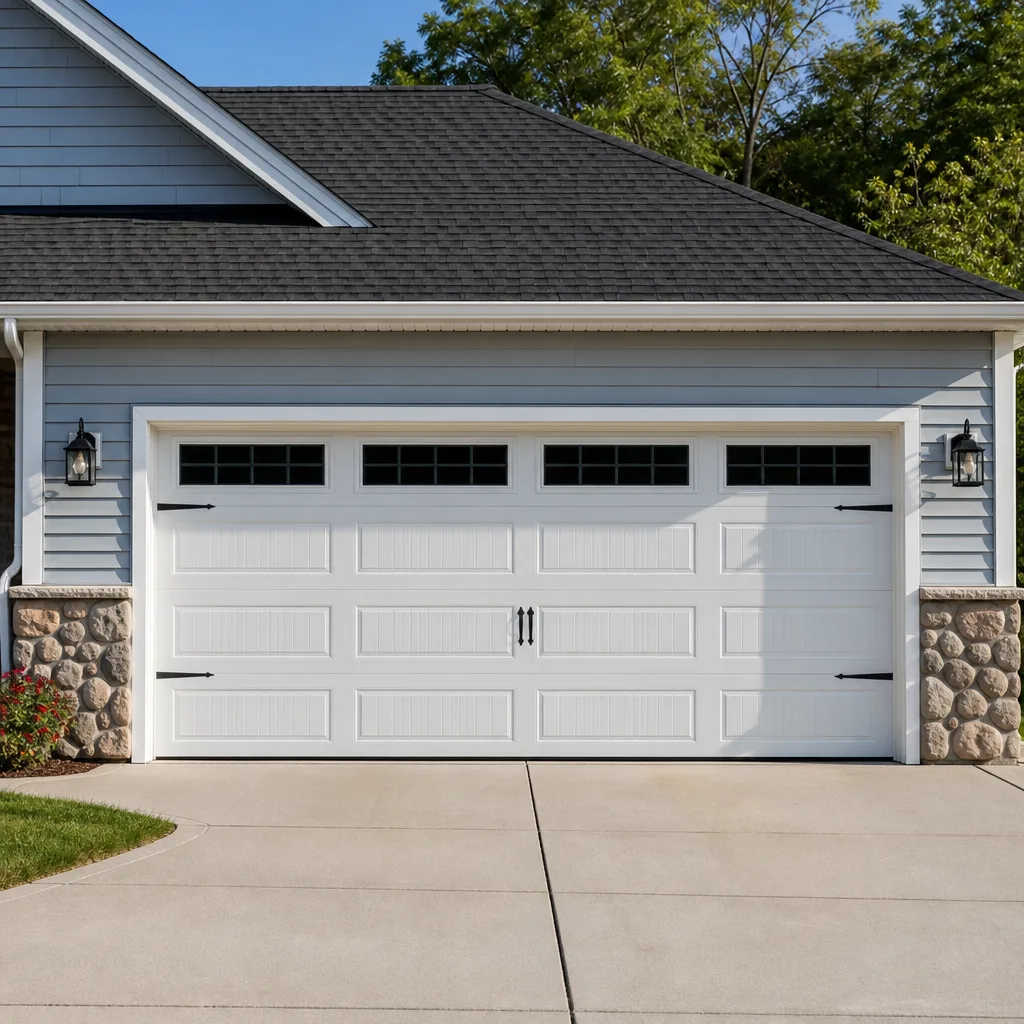 Chamberlain openers
Full 25-point door and opener safety check with every visit - springs, cables, rollers, tracks, and your LiftMaster or Chamberlain opener included
You get a price before we start. It does not change when the truck arrives.
Get your free estimateGarage Door Warning Signs: A Hemet Homeowner’s Reference Guide
Here’s a number that surprises most Hemet homeowners: roughly 70% of the garage door failures we respond to showed clear warning signs for at least two weeks before the door stopped working entirely. A torsion spring doesn’t snap without warning. It typically shows visible separation, uneven lift, or a specific grinding sound for days first. The homeowners who get caught off guard at 7 a.m. with a car trapped inside aren’t unlucky. They just didn’t know what they were hearing. This guide teaches you to read the signals your door is already sending, whether that’s a squeal, a wobble, or a cable that’s starting to fray. By the end, you’ll know which sounds mean “schedule something this week” and which ones mean “stop using the door today.”
Quick Answer
The most common garage door warning signs in Hemet are squealing or grinding sounds during operation, a door that moves unevenly or hesitates, visible rust or gaps on springs, fraying cables near the drum, and a door that won’t stay up or drifts down when left halfway. Squealing usually points to worn rollers or bearings, while grinding often signals a spring problem. Any cable fraying or spring gap means stop using the door immediately and call a garage door specialist, because those components are under enough tension to cause serious injury if they fail.
Styles & brands we work with
- Raised-panel steel
- Carriage house
- Modern flush
- Full-view glass
- LiftMaster openers
- Chamberlain openers
Table of Contents
- The Sound-Based Diagnostic Index
- Movement Pattern Red Flags
- The Visual Inspection Checklist
- Weeks to Schedule vs. Stop Using the Door Today
- How Hemet’s Heat Accelerates Failures
- Safety Caveats: What Not to DIY
- Common Mistakes to Avoid
- When to Call a Professional
The Sound-Based Diagnostic Index
Your garage door talks. Most people just don’t know the language. Here’s what each sound typically means, based on what we hear across Hemet, from Valle Vista to East Hemet and the newer developments off Sanderson.
Squealing
A high-pitched squeal during open or close almost always points to one of three things: worn rollers, dry bearings in the roller wheels, or a hinge that’s lost lubrication. If the squeal is rhythmic and matches the door’s travel speed, it’s a roller. Nylon rollers wear quieter than steel but still develop flat spots. Fixing this early is cheap. Ignoring a squealing roller for months leads to a roller that seizes, which puts lateral load on the track and can bend it, turning a $40 roller replacement into a full track realignment plus roller set replacement.
Grinding
Grinding is the sound we tell Hemet homeowners to respect the most. A metallic grinding noise, especially when it’s worse on the way up, often means a torsion spring is internally failing. The coils rub against each other as the spring twists under load. On a standard torsion spring system, the spring is mounted on a shaft above the closed door. If you hear grinding and the door also feels heavier than normal when you disengage the opener and lift manually, the spring is giving out. This is a stop-and-call situation, not a wait-and-see one.
Banging
A single bang when the door starts moving or changes direction usually indicates a loose track, a loose opener mount, or a door that’s out of balance and slamming against the stops. A repeated banging as the door travels means the door itself is bouncing in the tracks, which points to worn rollers, missing bolts, or a bent track. Hemet’s dry climate isn’t typically hard on tracks, but the frequent wind in the San Jacinto Valley can push against a partially open door and pull fasteners loose over time.
Rattling
Rattling is a “tighten and inspect” sound. It usually comes from loose hardware: hinge bolts, track mounting brackets, the opener’s chain or belt tensioner, or the weather seal retainer on the bottom of the door. A rattle that’s been present for weeks can indicate that the door’s sections have shifted slightly and are no longer seating flush. If you hear rattle but the door moves smoothly and quietly when manually operated, suspect the opener chain or rail before the door itself.
Clicking
A fast clicking from the opener unit when you press the button often means a logic board or capacitor issue inside the opener. A slow, mechanical clicking coming from the door itself usually means a hinge pin is loose, a roller stem is worn, or the door is binding in the track at a specific point. If the clicking only happens at one spot in the travel, look at the track at that height – you’ll often see a small dent or a bolt head that’s rubbing.
Movement Pattern Red Flags
Sound isn’t the only signal. Watch how the door moves. A healthy garage door rises and descends at a consistent speed with no stuttering, no tilting, and no hesitation.
Slow Descent on One Side
If one side of the door drops faster than the other, the door is no longer level. This usually points to one of three causes: a failing spring on that side (for doors with a two-spring system), a cable that’s stretched or slipping on the drum, or a broken or seized roller on the slow side. The danger here is that an off-level door puts uneven weight on the cables, and that’s exactly when a cable snaps or a drum comes unwound.
Hesitation on the Way Up
A door that shudders or stalls for a half-second partway up, then continues, is telling you that the spring tension no longer matches the door weight. On an extension-spring door with two side springs, this often means one spring is doing most of the work. On a torsion-spring door, it can mean the spring is losing tension or wasn’t balanced properly after installation. It can also be an opener problem – a worn gear in a chain-drive LiftMaster or Chamberlain unit skips teeth under load. If you own a LiftMaster or Chamberlain opener, hesitation is more likely to be a worn drive gear than a door problem, and worth a diagnostic visit.
Door Won’t Stay Up
A door that drifts down when left open is a classic sign of worn springs, not an opener problem. The springs should hold the door at any position. If the door stays where you put it only when the opener is engaged, the opener is compensating for springs that have lost tension. That’s burning out the opener’s motor, which was never designed to carry the full weight of the door. We see this in Hemet regularly, and the fix is usually new springs, not a new opener.
Door Bounces Before Settling
A door that bounces a few times after reaching the closed position, or that pops back up an inch after closing, is out of travel or out of balance. The opener’s down-limit setting may be sending the door too far, which pushes against the concrete and springs the door back. Or the springs are overtensioned, which causes the opener to fight the door. Both issues put load on the opener’s trolley and gear, and both are correctable before they turn into a dead opener.
The Visual Inspection Checklist
Once a month, spend five minutes looking at your door. This is the single highest-return maintenance habit we can recommend for Hemet homeowners, and it catches most failures before they strand you.
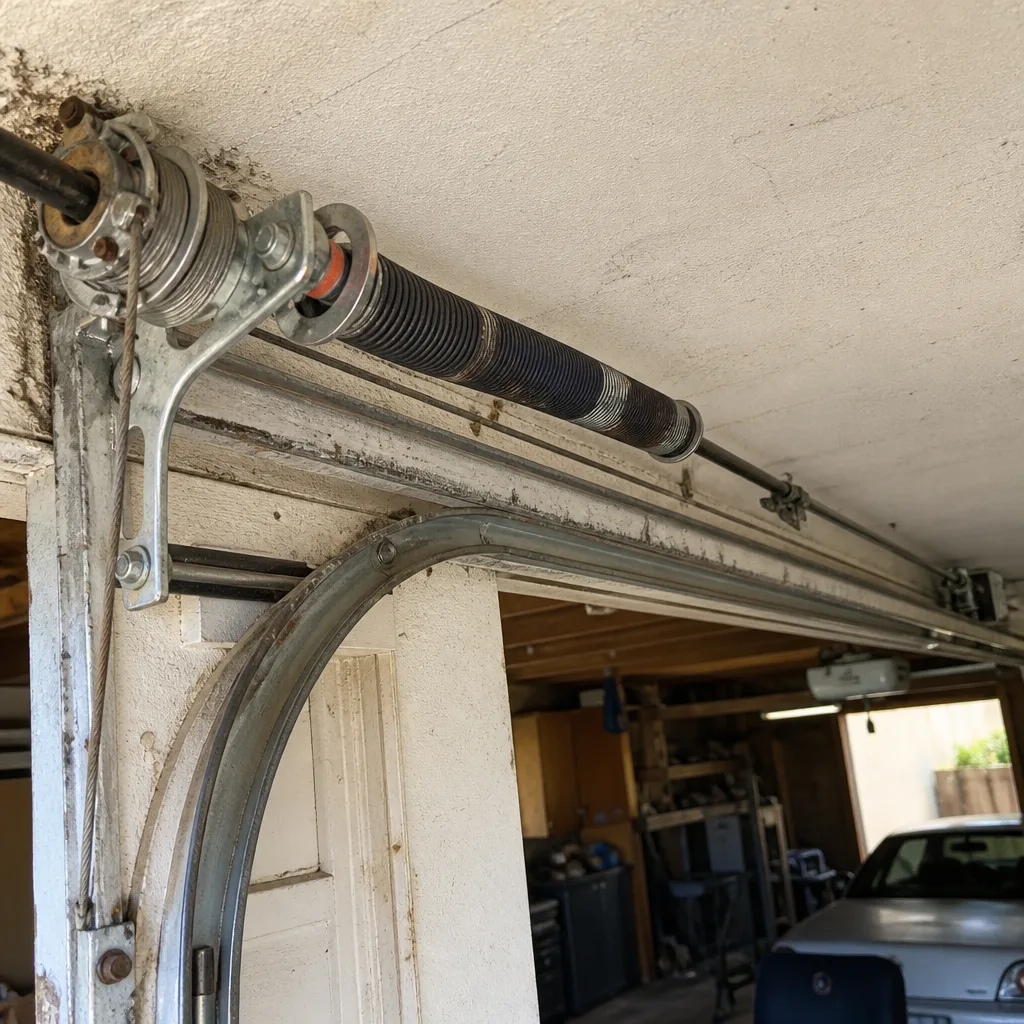
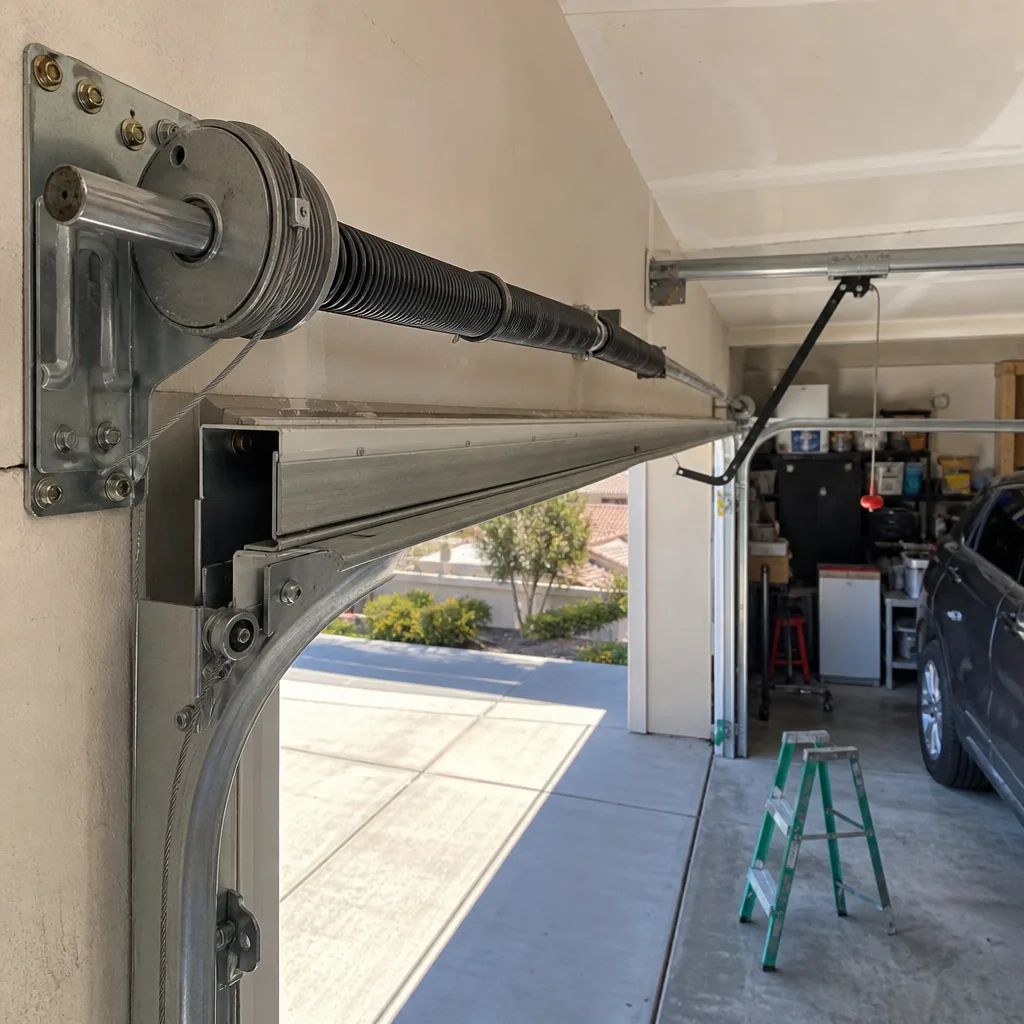
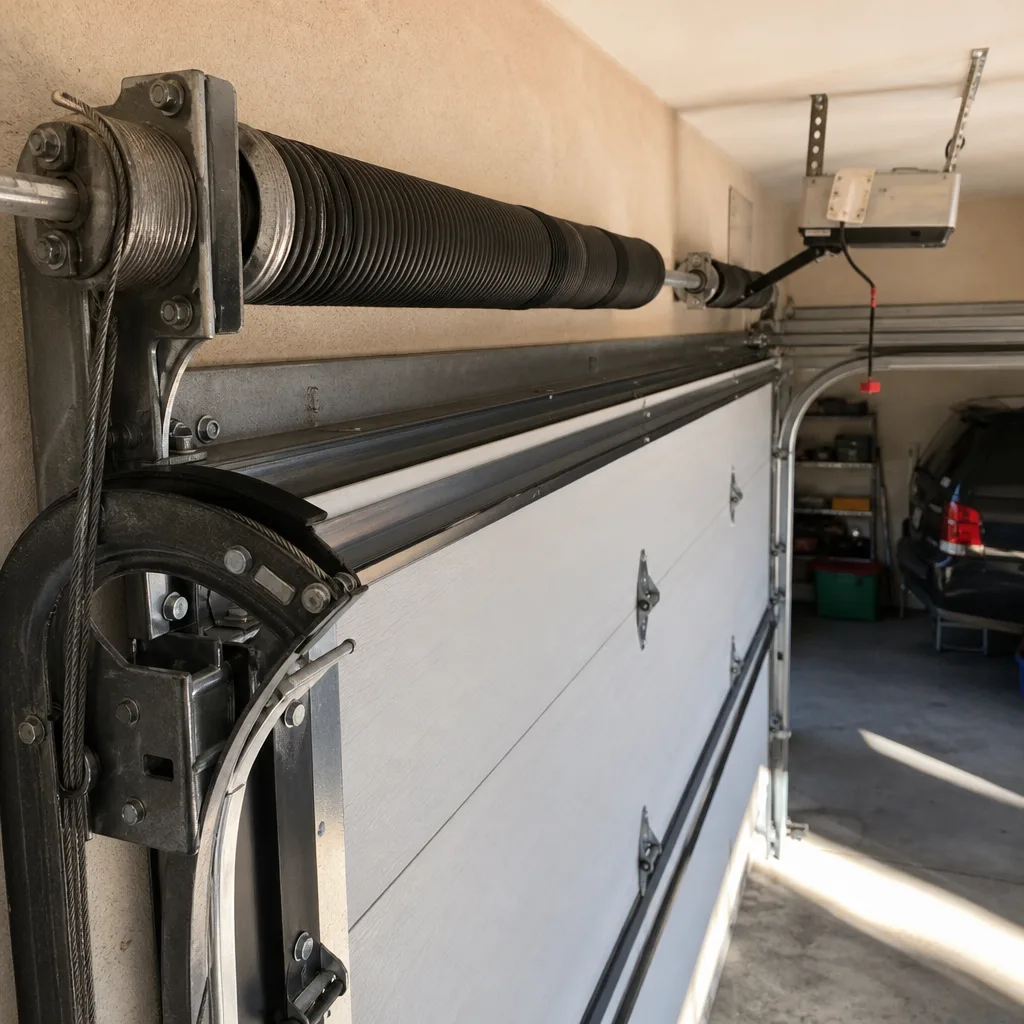
- Springs first. Look for rust, separation between coils, a gap in the middle of a torsion spring, or a spring that looks stretched or uneven. Rust on a spring isn’t cosmetic – it creates stress risers that concentrate load and promote fractures. A gap between coils means the spring is already broken or about to be. If you see either, call a garage door specialist before using the door again.
- Cables at the drum. Look at the bottom of the torsion tube where the cables wrap onto the drum. Fraying, a bird’s-nest wrap, or a cable that’s slipped off the drum groove are all stop-use conditions. A fraying cable is a loaded weapon – if it parts while the door is moving, it can whip with enough force to damage a car or a person.
- Rollers. Look at each roller where it meets the track. Cracked nylon wheels, flat spots, or a roller that’s no longer round are wear items. On Genie, Raynor, and Wayne Dalton doors we see nylon rollers dry out and crack after about 7 to 10 years in Hemet’s heat.
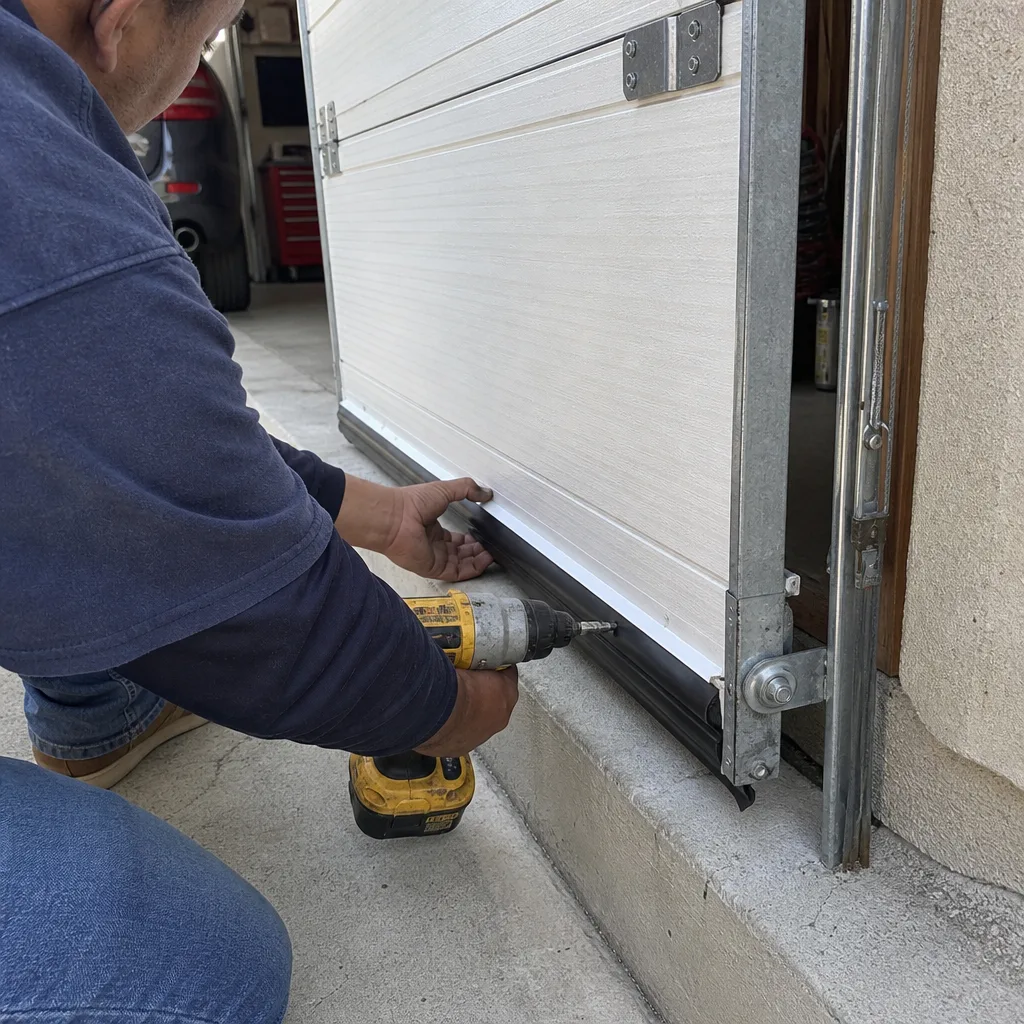
- Bottom seal. The rubber or vinyl strip across the bottom of the door should touch the floor evenly with no gaps. In Hemet, UV exposure turns these seals brittle and cracks them at the corners. A cracked seal lets dust and crickets into the garage, and it tells you the door may not be level.
- Hinge bolts and track brackets. Run your eye along both vertical tracks and the horizontal rails. Loose bolts show as bare threads or a slight gap between the bracket and the wall or ceiling. Tighten what you can reach with a socket wrench. Anything you can’t reach is a safe call for a pro.
- Opener rail and chain. On chain-drive units from LiftMaster and Chamberlain, look for sagging chain, dry chain that’s developing surface rust, or a rail that’s bent. On belt-drive Genie units, look for a frayed or glazed belt.
Weeks to Schedule vs. Stop Using the Door Today
Not every warning sign is an emergency. But pretending they’re all the same is how a $120 roller replacement becomes a $900 full repair after the door jumps its track.
You Have Weeks (Call This Week)
- Squealing rollers or hinges. Degrading, not dangerous yet. A quick roller or hinge replacement restores smooth, quiet operation.
- Rattling hardware. Loose bolts are straightforward to tighten and correct. Left alone, the rattling worsens and other parts wear faster.
- Bottom seal cracking. Purely a wear item. Not a safety issue, but it’s letting dirt and heat into your garage.
- Slow, steady opener response. If your LiftMaster or Chamberlain opener responds half a second slower than usual and the remote range has shrunk, it may be a capacitor wearing down. It will get worse, but this is a week-out repair, not an emergency.
- Minor door imbalance. A door that’s slightly heavy on one side but still opens and closes is a developing problem. Scheduling a rebalance this week prevents the cable from snapping under load.
Stop Using the Door Today (Call Now)
- Visible gap or separation in a torsion spring. The spring is broken or seconds from breaking. The door is fully out of balance and the opener is now the only thing holding tension.
- Frayed, kinked, or unwound cable. A compromised cable can snap at any moment. Do not operate the door.
- Door that slams shut or drops a foot when you disengage the opener. Springs are dead or nearly so. The door weight is unsupported, which is how injuries happen.
- Bent track from an impact. A door that’s been backed into, even gently, can have a track that’s no longer straight. Forcing the door through a bent track peels rollers off and can drop the door.
- Opener that runs without moving the door. A stripped gear or broken coupler means the door is either frozen or the opener is spinning free. Continuing to press the button burns out the motor.
How Hemet’s Heat Accelerates Failures
Hemet’s climate does three things to garage doors that a coastal city won’t experience. First, sustained summer heat in the San Jacinto Valley, where garage interiors exceed 110 degrees on August afternoons, fatigues spring metal faster. Springs flex every open-close cycle, and elevated temperatures accelerate the microscopic metal fatigue that eventually becomes a visible coil gap. A spring that lasted 12 years in San Diego will often last 8 or 9 in Hemet. That’s not manufacturer variance, that’s thermal load.
Second, the UV index in Hemet is brutal on polymers. Bottom seals, roller wheels, and opener belt components all degrade faster here. Nylon rollers crack instead of wearing smooth. Genie belt-drive belts glaze and slip. Weather seals turn to crumbling rubber in a single season if they were already aged.
Third, opener capacitors, the components that give the motor its initial start boost, fail more often in high-heat environments. We replace a measurable number of capacitors in LiftMaster and Chamberlain openers every July and August in Hemet, often on units only four or five years old. The failure mode is classic: the opener clicks but the motor doesn’t engage, or the opener stalls mid-travel and needs a cool-down before it will move again. If you know which signs to weight more heavily in our climate, you’ll catch spring fatigue and capacitor aging before either one strands you.
We work on the brands you already trust – LiftMaster, Chamberlain, Genie, Clopay, Amarr, Wayne Dalton, Craftsman, and Raynor – and we see how each handles Hemet’s specific conditions. Knowing the brand changes the diagnosis. A Raynor torsion spring has a different common failure mode than an Amarr setup. That’s why we train on the brand before we touch the door.
Safety Caveats: What Not to DIY
This next part is important, so read it carefully. The torsion spring assembly on a garage door holds enough tension to lift several hundred pounds of dead weight. When it fails, it releases that energy at once. People have died messing with these springs. The same goes for cables, which are under the same tension as the spring and can whip through the air when they part. Do not remove, adjust, or “fix” a spring or cable yourself. Do not manually unwind a drum. Do not cut a cable that looks frayed.
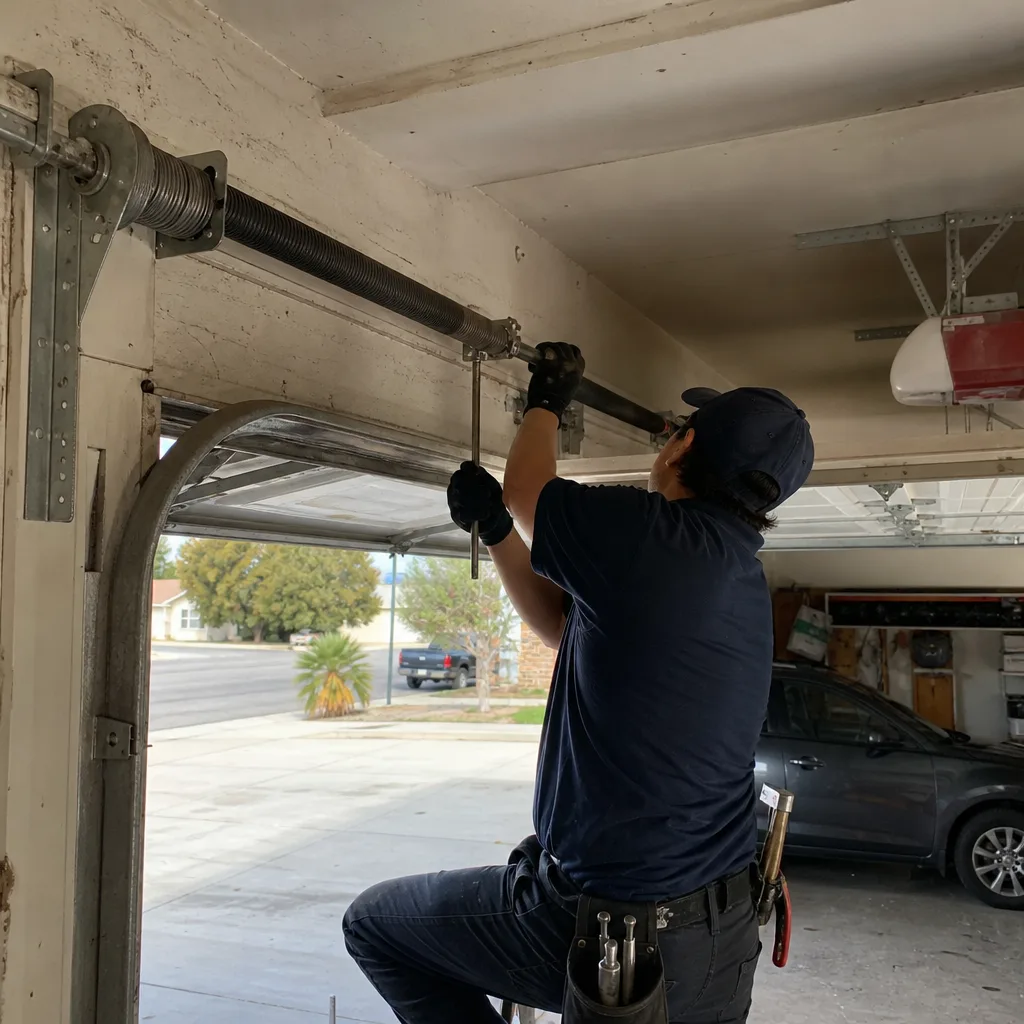
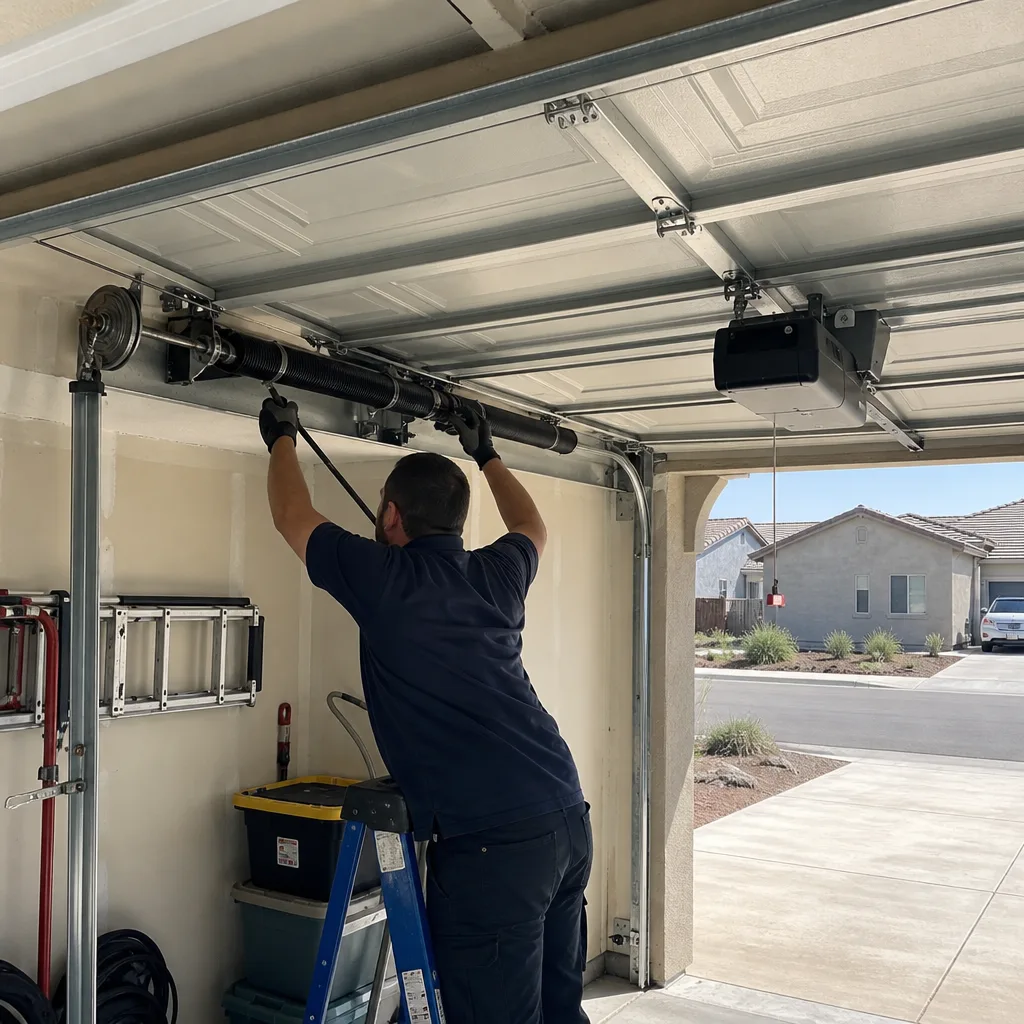
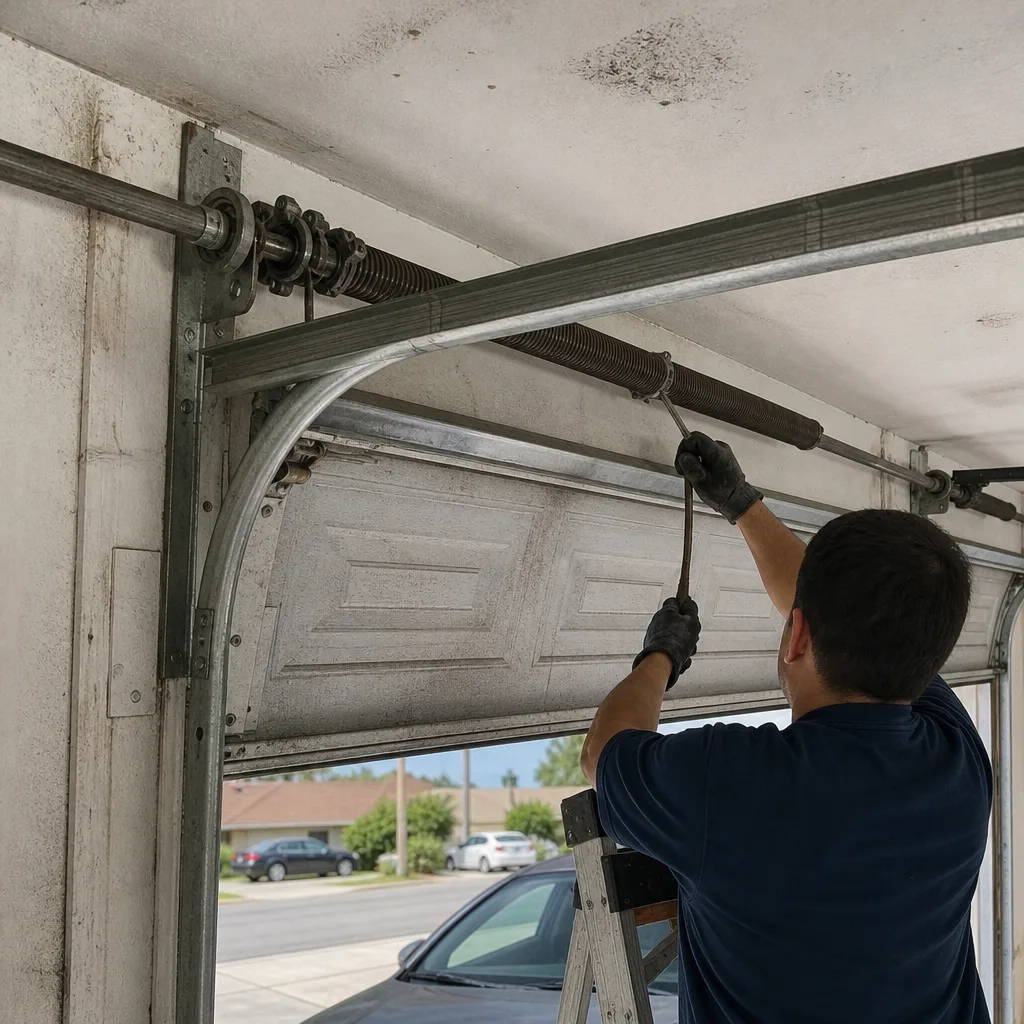
We say this not to scare you, but because it’s the thing a specialist knows that a homeowner doesn’t. When a spring fails, the professional uses winding bars, not screwdrivers or vice grips, and even then the process is done with careful respect for the stored energy. Track alignment, roller replacement, and bottom seal work are approachable for a homeowner with the right tools and patience. Spring, cable, and drum work belongs with a trained garage door technician – and that’s not gatekeeping, it’s physics. The only “fix” a homeowner should attempt on a broken spring is calling a garage door specialist before anyone gets hurt.
If you’re looking for a single-trade specialist who does this work every day, our team at Garage Door Service Hemet home handles spring replacement, cable work, and track repair across Hemet and the surrounding valley.
Common Mistakes to Avoid
- Lubricating a hinge instead of replacing a worn roller. Lubrication quiets a squeaky roller for about a week. Then the flat spot, the crack, or the seized bearing comes right back. If the roller looks worn, replace it; don’t grease over it. A worn roller under load is a track bender in the making.
- Continuing to use the door after a spring breaks. Every open-close cycle with a broken spring puts the entire door weight on the opener motor, the cables, and the off-balance tracks. That’s how a broken spring becomes a stripped opener and a bent door at the same time.
- Adjusting the opener force settings to compensate for a heavy door. The opener’s force adjustment is a diagnostic setting, not a fix. Cranking it up so the opener can muscle through a failing spring just accelerates the spring failure and burns out the motor. Fix the spring, then reset the opener.
- Replacing the opener when the real problem is the door. We see this in Hemet regularly: a homeowner replaces a LiftMaster or Chamberlain opener because the door is slow, only to discover the original opener was fine and the door springs were shot. Diagnose before you replace.
- Ignoring a small gap under the door. A quarter-inch gap at the bottom seal might not seem like a problem, but in Hemet it’s an open invitation for heat, dust, and potato bugs. It’s also a sign that the door may be slightly out of level, and an out-of-level door is hard on hardware.
- Mixing and matching parts from different brands. A generic spring or roller may function short-term but wear inconsistently with the rest of the door system. Brand-matched service matters. A compatible, warranty-respecting repair keeps a Genie door acting like a Genie door.
- Attempting spring work without proper tools and training. This is the one mistake we can’t undo for you. The money saved isn’t there. The risk is real and permanent. If you take nothing else from this guide, take this: never work on a torsion spring.
When to Call a Professional
Some diagnostics are worth doing yourself. The monthly visual inspection is a homeowner job, and it catches most failures early. But certain conditions call for a trained eye and a truck with the right parts. If you see any gap or deformation in a spring, any fraying on a cable, a door that won’t stay up under manual operation, or an opener that’s clicking without engaging the motor, stop using the door and call. These are conditions where continuing to operate the door compounds the damage and increases risk.
At Garage Door Repair in Hemet, we diagnose the full system, not just the symptom. A door that’s slow on one side gets checked for spring balance, cable wear, roller condition, and track alignment – not just whatever part is loudest. We service the brands most common in Hemet, from LiftMaster and Chamberlain openers to Raynor and Amarr doors. If your opener is the problem, our team at Garage Door Opener Repair in Hemet handles drive-system diagnostics without the guesswork general repair shops often bring. And if the diagnostic shows the door itself has reached the end of its useful life, Garage Door Installation in Hemet covers measurement, selection, and installation. Garage Door Service Hemet offers free estimates in Hemet – call (833) 589-9121.
See the difference
 Before
 After
 Before
 After
 Before
 After
Frequently Asked Questions
Spring replacement in Hemet typically runs between $180 and $340 per spring, depending on door weight, spring size, and whether it’s a torsion or extension system. Most Hemet homes use torsion springs, and we always recommend replacing both springs at once when one fails, since they wear at the same rate. Your price is quoted and agreed before any work starts – never after the spring is off. Call (833) 589-9121 for an exact quote, and we’ll confirm the spring size, door weight, and brand before we order anything.
For spring failures, cable snaps, and doors that won’t open, yes – same-day service is what we’re built for. A stuck door doesn’t wait, neither do we. We keep common Hemet spring sizes and cable lengths stocked, and we carry parts for LiftMaster, Chamberlain, Genie, Raynor, and the other brands we service. Call early, and we’ll typically have a tech to your address in Hemet the same day.
No. The price you’re quoted is the price you pay, and it’s confirmed before any work begins. If the technician finds a second issue during the diagnostic – a cracked roller, a worn hinge, or an out-of-true track – they’ll show you what they found and quote the additional work separately. Nothing gets done without your approval, and the original quote for the original job holds.
Most of the time, yes. For a standard torsion spring replacement, cable replacement, roller sets, hinge sets, and opener components, the truck is stocked with the common sizes and the brand-specific parts we regularly see in Hemet. For a specialty order – an unusual door configuration, a custom panel, or a discontinued brand – we source the part and schedule a return visit, and we’ll tell you that upfront before you commit to anything.
Once a year. In Hemet’s heat, springs fatigue faster and seals degrade sooner than in coastal climates. An annual inspection catches spring imbalance, roller cracking, and seal failure before any of them create a no-open morning. If your door sees heavy daily use, twice a year is even better. The inspection itself is low-cost and quick – the value is in catching a $40 roller before it becomes a $500 track realignment.
We service LiftMaster, Chamberlain, Genie, Clopay, Amarr, Wayne Dalton, Craftsman, and Raynor – the eight brands most commonly installed in Hemet homes. If your door or opener is one of those brands, we stock and source compatible, warranty-respecting parts rather than generic substitutions. Your brand, our expertise. If you’re unsure what brand you have, call (833) 589-9121 and we’ll help you identify it from the model number on the motor or the label on the door panel.
The Bottom Line
Your garage door tells you what’s wrong, if you know how to listen. A squeal is a roller asking for replacement. A grinding sound is a spring warning you not to ignore. A door that drifts down is a balance problem, not an opener problem. Hemet’s heat makes every one of these signals show up earlier and louder than it would elsewhere, so the monthly visual check is not optional here. Catch the signal early, and you’re scheduling a cheap fix at your convenience. Miss it, and you’re calling us from the driveway with a car trapped inside the garage. Either way, we’ll answer – but the cheap version is a lot more pleasant. Garage Door Service Hemet offers free estimates in Hemet. Call (833) 589-9121.
Written by the team at Garage Door Service Hemet, serving Hemet since 2018.