
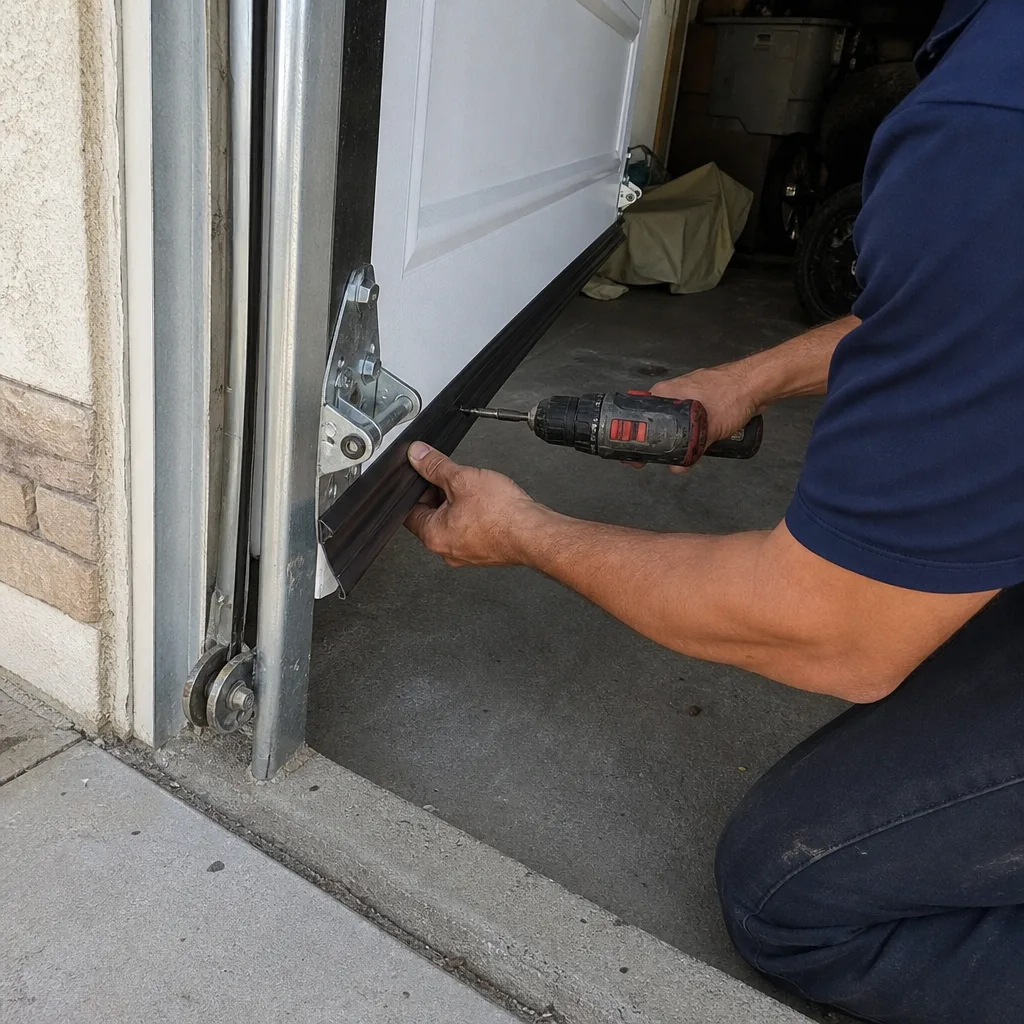
Last updated November 2, 2026
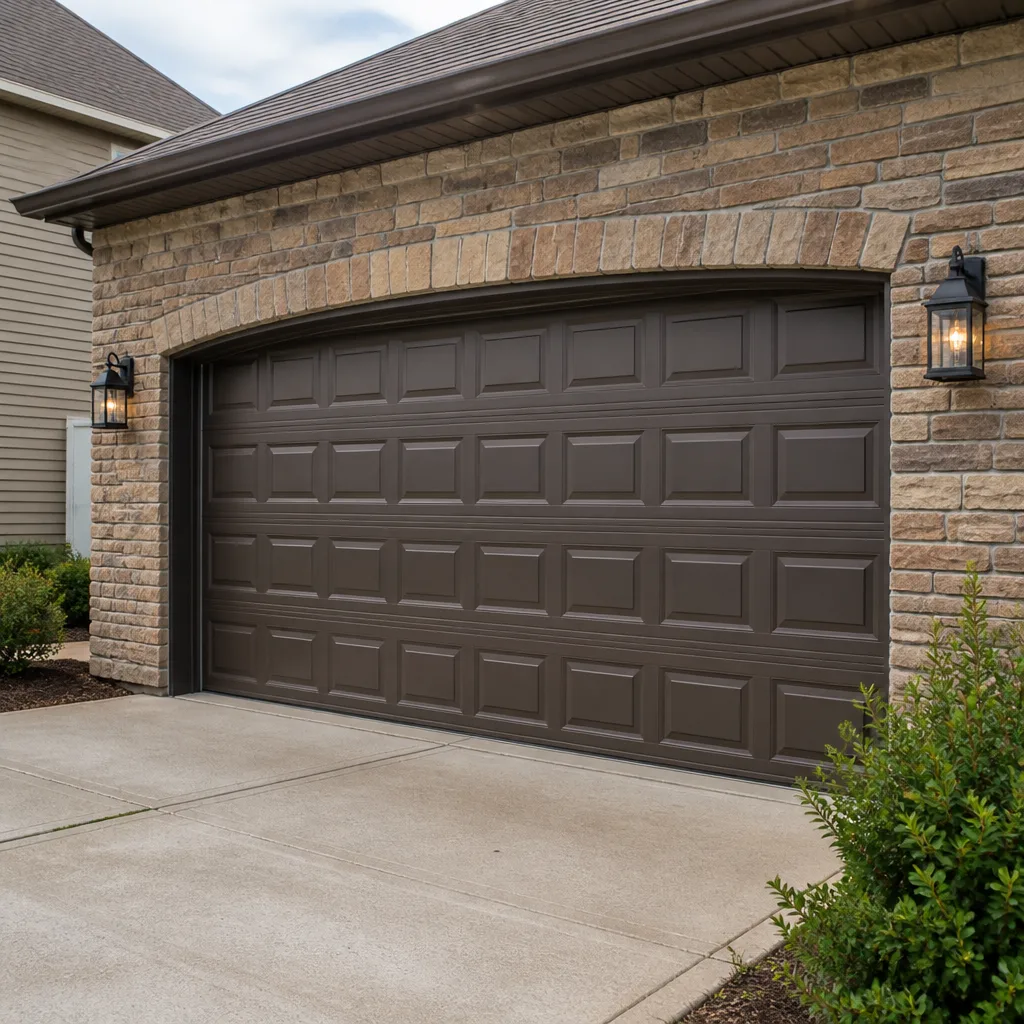 Raised-panel steel
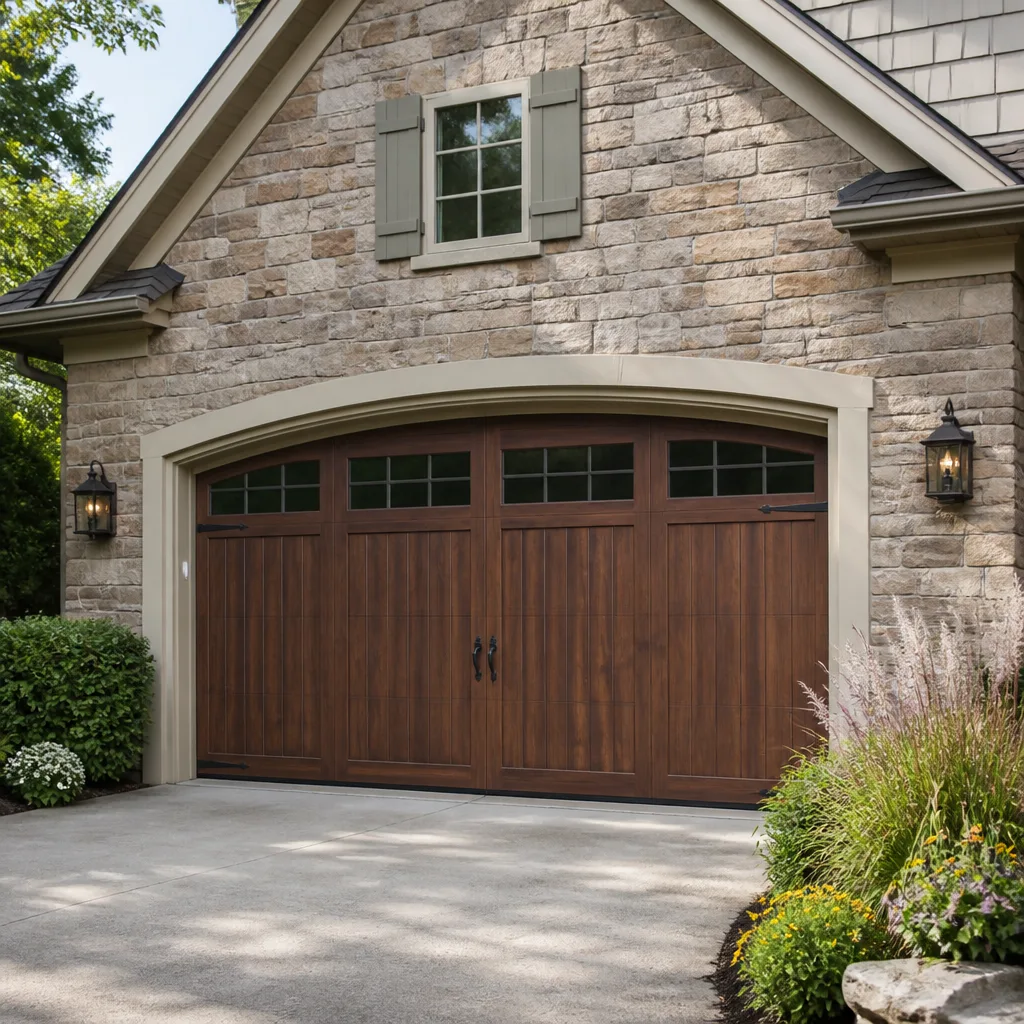 Carriage house
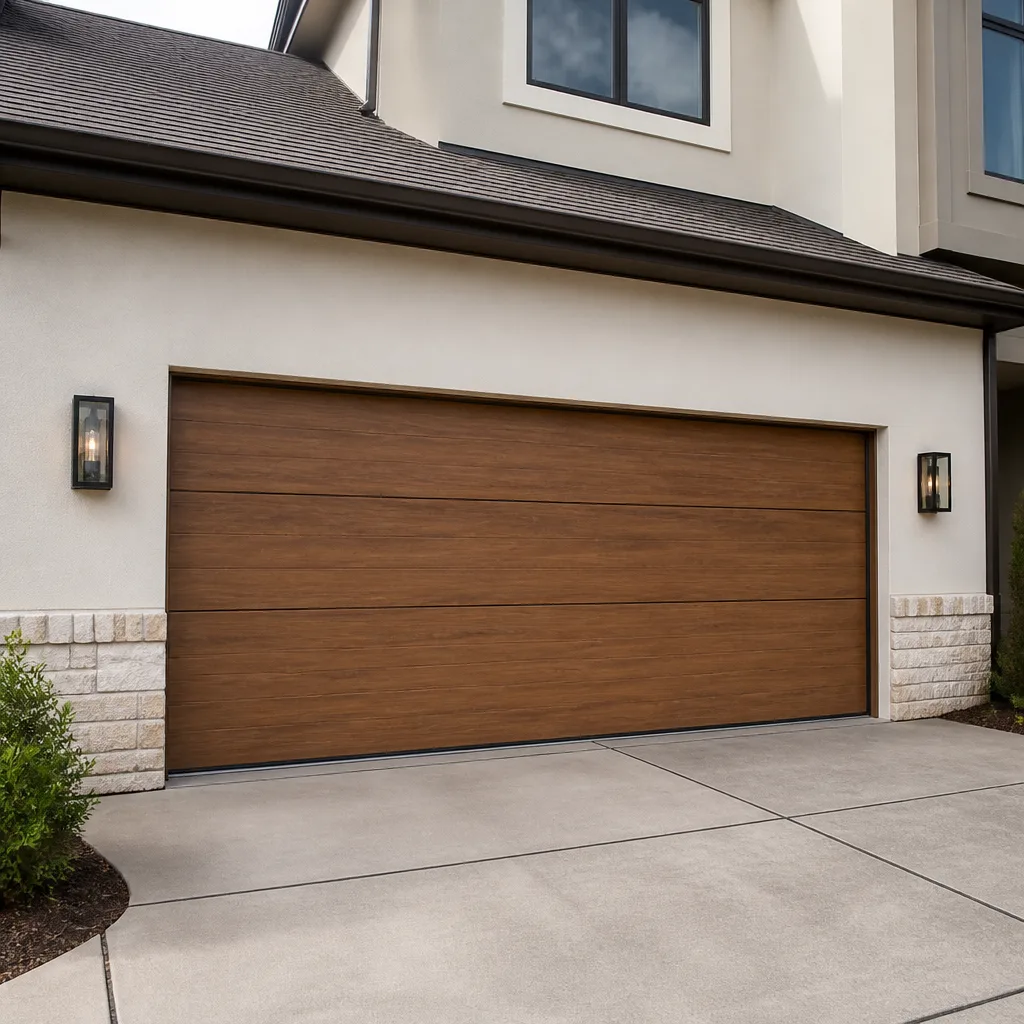 Modern flush
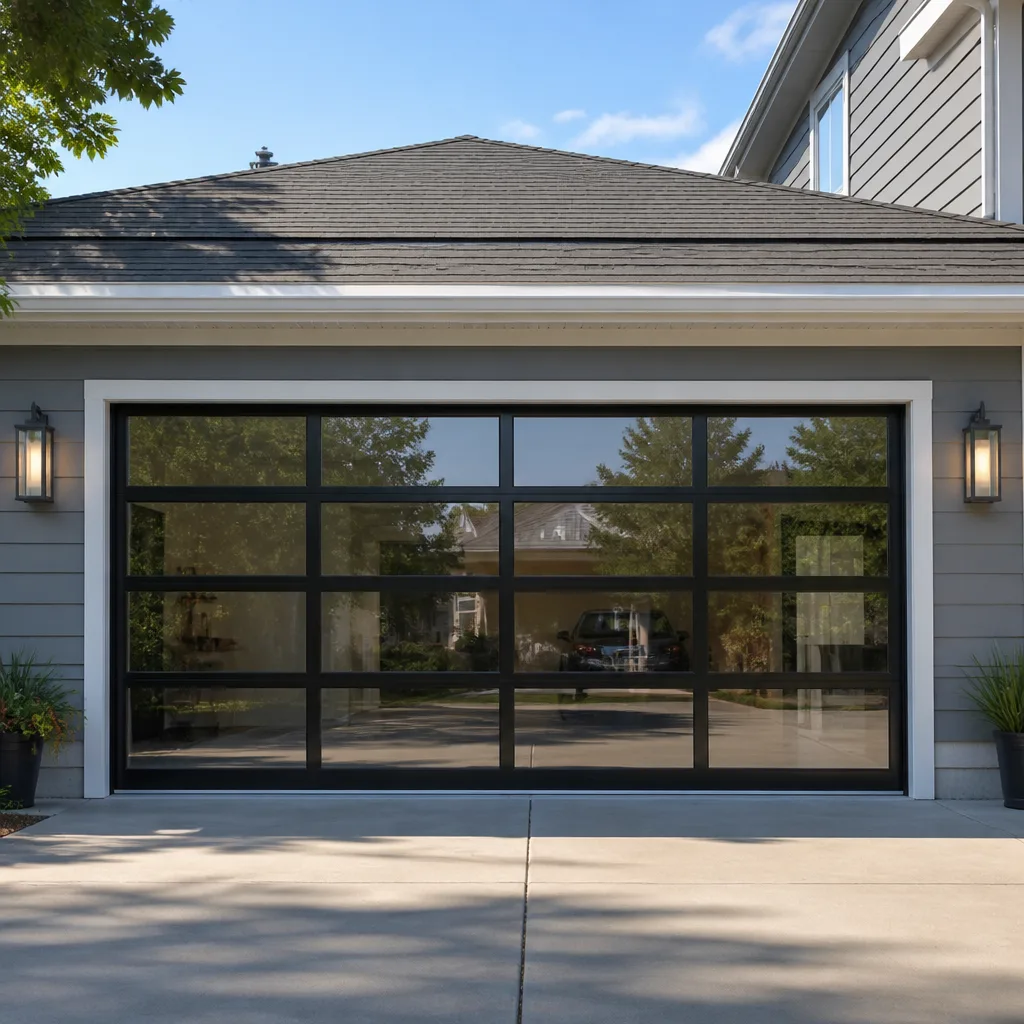 Full-view glass
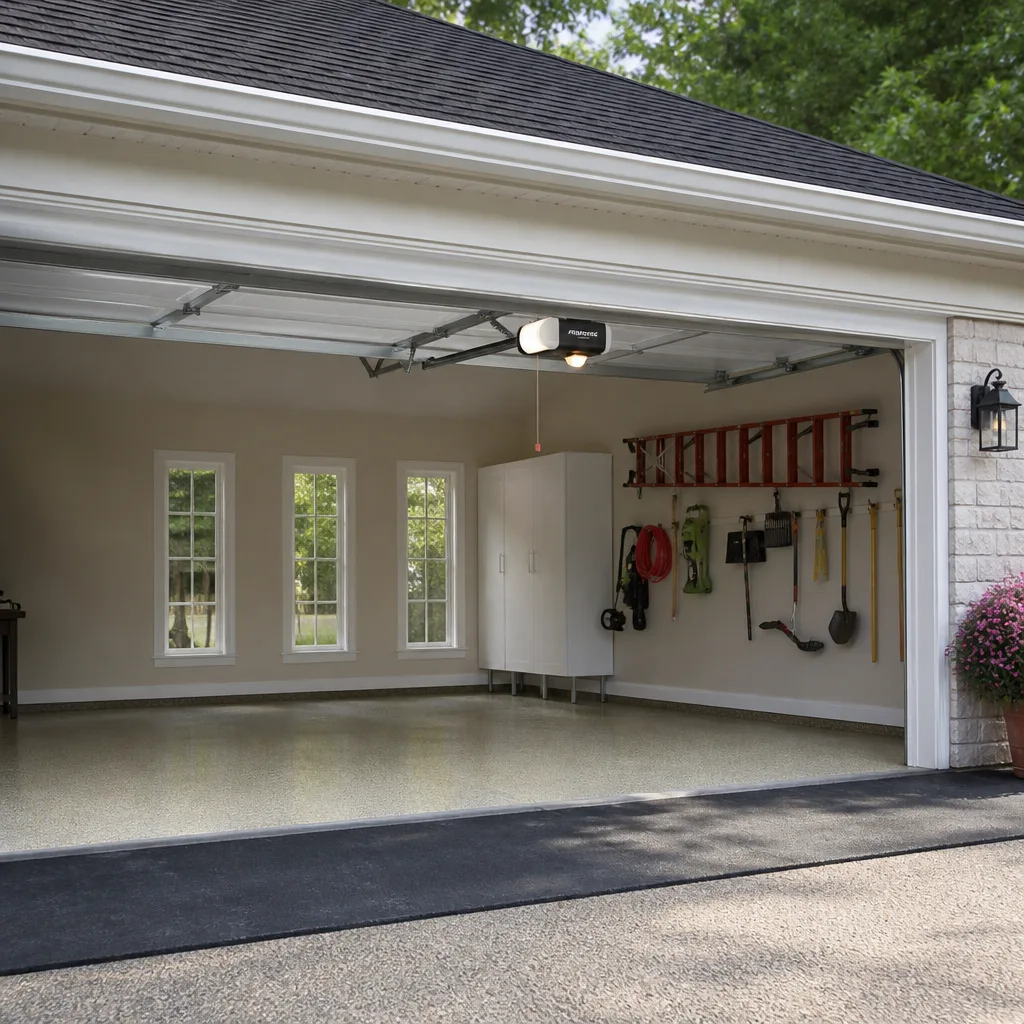 LiftMaster openers
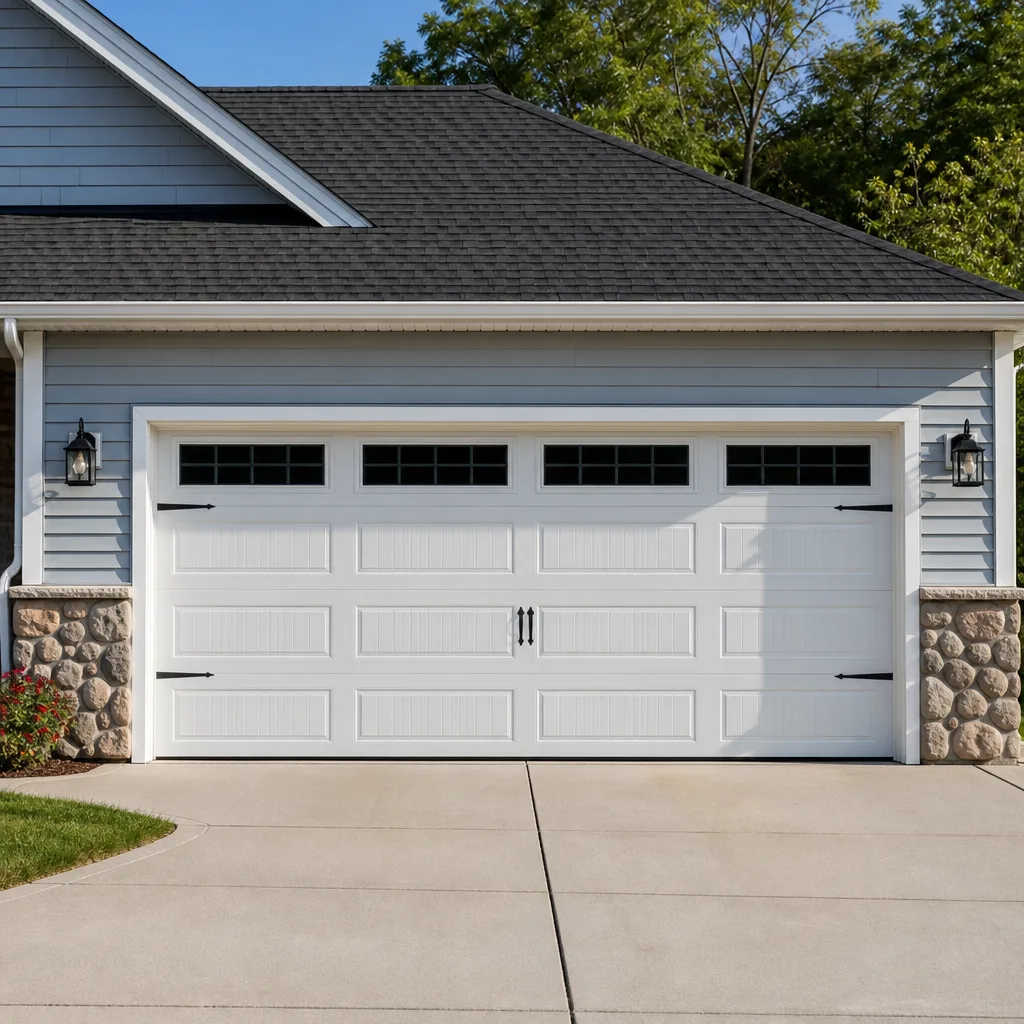 Chamberlain openers
Full 25-point door and opener safety check with every visit - springs, cables, rollers, tracks, and your LiftMaster or Chamberlain opener included
You get a price before we start. It does not change when the truck arrives.
Get your free estimateSeasonal Garage Door Care for Hemet: Year-Round Homeowner’s Guide
Most seasonal garage door guides were written for climates with ice and snow. Homeowners in Hemet who follow that advice end up over-maintaining in winter while completely ignoring the summer heat damage that’s actually shortening their hardware life. This guide flips the standard calendar on its head. You’ll learn what actually wears out garage doors in Hemet’s specific climate, when each component needs attention, and which checks matter more than others. If you’ve ever wondered why your door sounds different in August or moves slower in January, the answer is here.
Quick Answer
Seasonal garage door care in Hemet comes down to two critical periods: pre-summer preparation in April and May to protect against sustained 100°F+ heat damage, and a pre-winter check in November to catch spring fatigue before cold nights arrive. Most homeowners need to lubricate moving parts twice a year, inspect seals before the first heat wave, and test the balance the first time the temperature drops below 40°F. A 20-minute seasonal check twice a year prevents roughly 70% of the emergency repairs our Garage Door Repair in Hemet team handles.
Styles & brands we work with
- Raised-panel steel
- Carriage house
- Modern flush
- Full-view glass
- LiftMaster openers
- Chamberlain openers
Table of Contents
- Spring (March-May): Recovering from Winter and Prepping for Heat
- Summer (June-September): The Season That Actually Kills Garage Doors in Hemet
- Fall (October-November): The Single Most Important Pre-Winter Check
- Winter (December-February): Why January Doors Move Slow in Hemet
- Year-Round: UV Protection for Hemet’s Above-Average Sun Exposure
- Monthly Maintenance Checklist for Hemet Homeowners
- Common Mistakes to Avoid
- When to Call a Professional
- Frequently Asked Questions
Spring (March-May): Recovering from Winter and Prepping for Heat
Spring in Hemet is short. You get a few mild weeks in March before daytime temperatures start climbing toward the 90s by late April. That compressed transition window means spring maintenance has to do double duty: catch any damage from the previous winter’s cold snaps and prepare the door for the long, hot summer ahead.
What the Hemet Winter Does to Springs
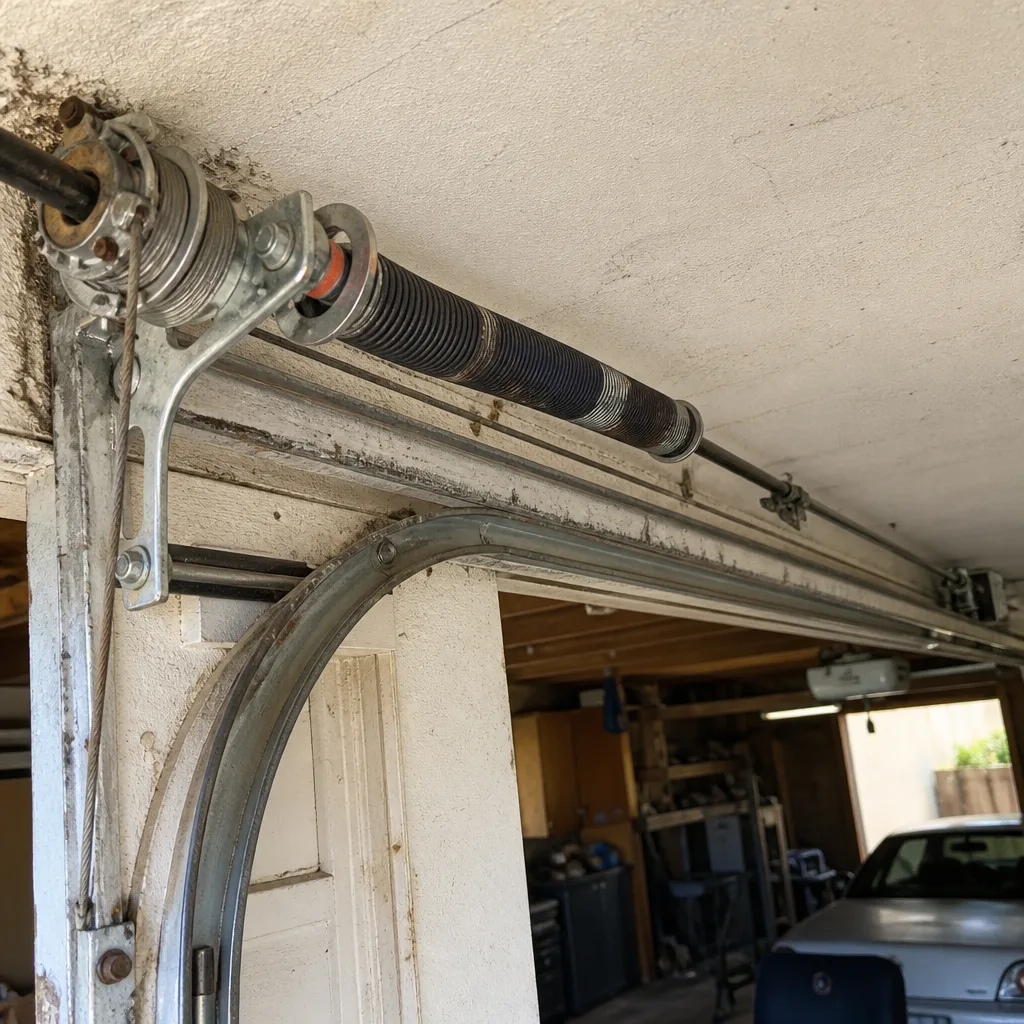
Hemet doesn’t get snow, but January and February nights regularly drop into the 30s, and occasionally below freezing. When torsion springs get cold, the metal contracts. If a spring was already nearing the end of its cycle life, that contraction is often the final stress that causes a crack or snap. We see it every year: a homeowner in the Valle Vista area calls in February or March because the door won’t lift, and the spring has a clean fracture. The cold didn’t cause the failure. It exposed a spring that was already worn out.
Spring is the time to test for that fatigue before the heat arrives and makes everything worse. Here’s what to do:
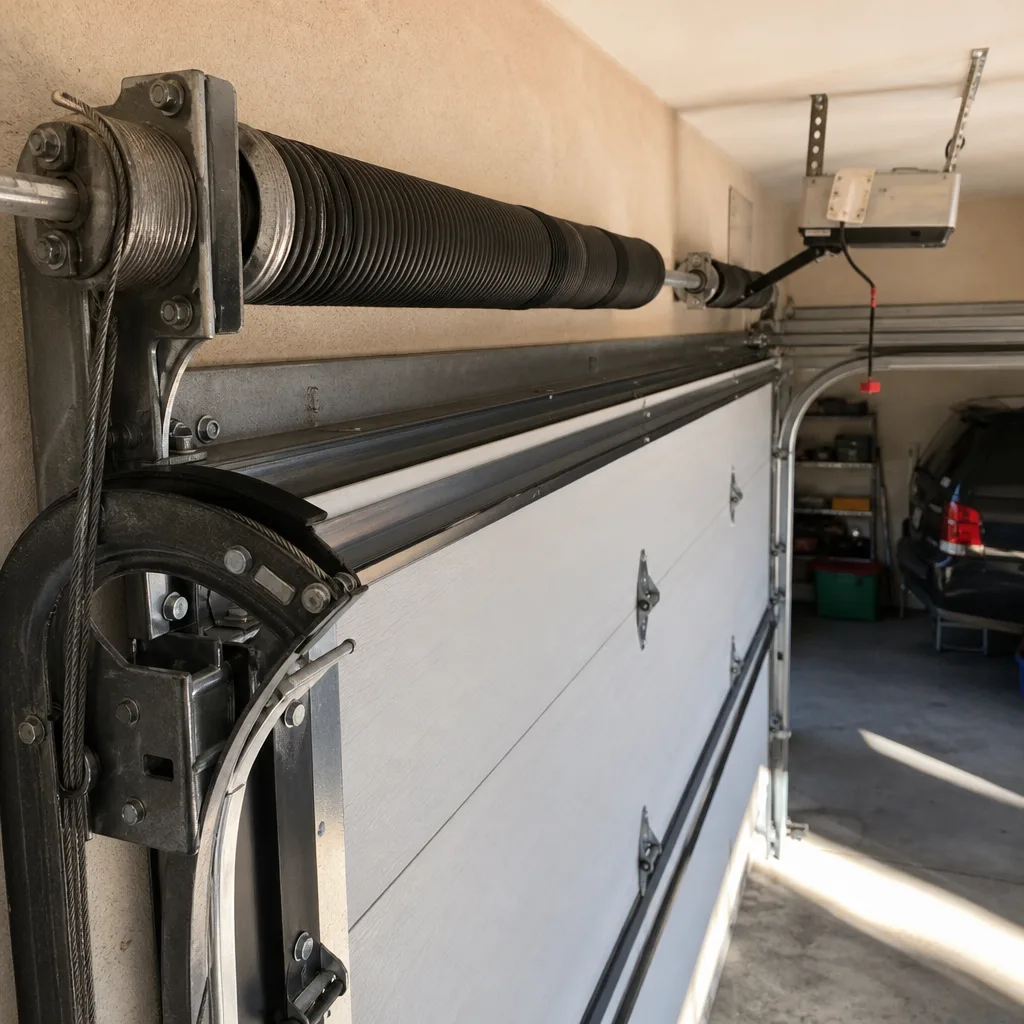
- Test the balance manually. Pull the red emergency release handle and lift the door by hand. A healthy door should lift smoothly with minimal effort and stay put about waist-high without drifting. If it feels heavy or drops fast, the spring is losing tension and needs Garage Door Repair in Hemet attention.
- Listen for uneven operation. Open and close the door once. Grinding, scraping, or a rhythm that sounds like the door is working harder on one side indicates track or roller wear that will accelerate in heat.
- Run the opener with the manual release engaged. Watch whether the door moves at a consistent speed. Jerky motion in March often becomes complete failure by July.
- Check lift cables for fraying. Look at the cables on both sides where they attach to the bottom bracket. Any separation of the strands means replacement is needed before the cable snaps under load.
The Pre-Heat Seal Check
The bottom seal and the weatherstripping around the door frame take a beating in Hemet summers. Once daytime temperatures hit 95°F regularly, rubber seals bake against metal that can reach 140°F or higher on south-facing doors. If that seal is already cracked or stiff coming out of winter, it won’t survive the summer.
In March and April, run your hand along the bottom seal and the side and top weatherstripping. Look for brittleness, cracking, or gaps where daylight shows through. Replacement seals are inexpensive compared to what gets in when they fail: dust, pests, and hot air that turns your garage into an oven and pushes your home’s cooling costs up. Hemet’s dry, dusty conditions mean a compromised seal shows itself quickly. If you see dust accumulating on items near the garage door, the seal is already failing.
Summer (June-September): The Season That Actually Kills Garage Doors in Hemet
Here’s what most garage door guides get wrong for Hemet homeowners. They write about ice and snow as the enemy. In Hemet, the enemy is heat. Sustained daytime temperatures above 100°F, sometimes for weeks straight, do more damage to garage door systems than any freeze-thaw cycle ever could. An uninsulated west-facing garage in Hemet can reach 120°F inside for hours each afternoon from June through September. That heat works against your door in four specific ways.
The Four Ways Hemet Heat Damages Your Garage Door
- Opener circuit board stress. The logic board inside your opener sits in a motor housing that gains heat from ambient garage temperature plus its own operating heat. At sustained 110°F-plus housing temperatures, solder joints expand and contract through daily cycles. Over one summer, that’s hundreds of thermal cycles. Weak joints fail. If your opener starts working intermittently on the hottest afternoons and recovers at night, that’s the circuit board telling you it’s on borrowed time. This is a common Garage Door Opener Repair in Hemet call in August.
- Lubricant breakdown. Standard garage door lubricant loses viscosity at high heat. What was a protective film in April becomes a sticky or dry residue by September. Metal parts then run with increasing friction, which creates more heat, which degrades the lubricant faster. It’s a feedback loop that accelerates roller, hinge, and bearing wear.
- Steel panel warping. Steel garage door panels expand when heated. Most manufacturers engineer for a certain temperature range. In Hemet, south-facing and west-facing doors can exceed that spec on the hottest days. Over years, panels develop a visible bow or ripple, especially if the door is dark-colored. Dark paint absorbs more solar radiation. A black or dark-brown door in direct Hemet sun can run 40 degrees hotter than a white door right next to it.
- Spring cycle acceleration. Springs are rated in cycles, typically 10,000 for standard torsion springs. A cycle is one open and one close. But the rating assumes the spring stays within a normal temperature range. Excessive heat causes the spring steel to lose a small amount of tensile strength each cycle. The spring doesn’t snap from heat alone, but the highest-wear season for Hemet springs is summer, not winter. The failure just tends to land in the fall or winter when the metal contracts.
Summer Maintenance That Actually Matters
- Lubricate in late June and again in late August. Use a garage door-specific lubricant, not WD-40. WD-40 is a degreaser and will strip existing lubricant away. Apply to hinges, rollers (plastic wheels get a light coat, metal wheels get more), the torsion spring coils, and the track where the rollers ride. In Hemet’s summer heat, twice-per-season lubrication is not excessive. On a Genie or Chamberlain opener, this is also a good time to check the drive rail for accumulated dust and re-lubricate per the manufacturer’s recommendation.
- Check the opener’s ventilation. Make sure the area around the opener motor housing isn’t cluttered. Boxes stacked on garage shelving near the opener restrict airflow and raise the housing temperature further. A 10-degree reduction in ambient temperature around the opener can add years to the circuit board’s life.
- Feel for panel hot spots. On a hot afternoon, place your hand flat on the inside of the door. If one section feels noticeably hotter than the others, note where the sun hits it. This is the panel most likely to warp or develop a paint adhesion problem over time. If you’re considering Garage Door Installation in Hemet, a lighter color or an insulated door will significantly reduce this heat load.
Fall (October-November): The Single Most Important Pre-Winter Check
If you do one garage door maintenance task per year in Hemet, do this one in early November. The freeze risk in the Hemet Valley is real, even if it’s brief. Cold nights below 35°F arrive by mid-November most years, and the temperature swing between a warm afternoon and a cold night is often 30 degrees or more. That repeated expansion and contraction hits springs, hardware, and the door’s balance adjustment harder than the absolute cold itself.
The key check is tension balance. Cold air makes torsion springs shrink slightly, which increases the effective tension in a subtle way. If a spring is already weakened, that first cold snap of November is when the degradation reveals itself. Test the balance in November even if you tested it in the spring, because aging happens over the summer.
Look at the rollers during fall too. Nylon rollers that have been heat-cycled through a Hemet summer develop flat spots. Once the door temp drops, those flat spots become more obvious as a thumping or flapping sound during operation. Catch that in November and you replace a $15 roller instead of a $150 hinge or a damaged track.
Fall is also the smart season for Garage Door Installation in Hemet planning if your door is near the end of its life. Amarr and Wayne Dalton dealers run seasonal promotions in the fall, and the install happens during mild weather. If your door is over 15 years old, has visible panel damage, or you’re paying for spring replacement a second time in five years, getting the new door installed before the January cold snaps is the smart play.
Winter (December-February): Why January Doors Move Slow in Hemet
A homeowner in Hemet calls in January and says the garage door is moving slow. “It’s just the cold,” they say. Sometimes that’s true. Often, it isn’t. The cold itself rarely causes a properly maintained door to struggle. What cold does is change tolerances inside the system. Parts contract. Grease thickens. Springs shorten slightly. Any existing wear becomes magnified.
Here’s what actual cold-related slowdowns look like in Hemet, and how to tell the difference between normal winter behavior and a developing problem.
What’s Normal Winter Behavior
- The door moves slightly slower for the first cycle of the day, then returns to normal speed once the system warms up.
- The opener motor sounds a bit different when the garage is genuinely cold, especially in uninsulated garages.
- The bottom seal is stiffer and makes more noise when the door closes.
What’s Not Normal, Even in Winter
- The door moves slow on every cycle, not just the first one of a cold morning. That’s usually a spring tension problem or a motor capacitor going bad.
- The door reverses before fully closing. That’s a sensor alignment issue or a force setting that’s drifted too low. It gets worse in cold weather because the door itself is slightly heavier with cold metal.
- The opener runs, but the door barely lifts. That’s a broken spring or a stripped gear inside the opener. A broken spring is the most common January emergency call we handle in Hemet. The Garage Door Opener Repair in Hemet team diagnoses these daily in the winter months.
- The door slams down when you use the manual release. This is a spring that has lost nearly all tension. Never try to lift or lower a door by hand when the spring is broken. The door can weigh 150 to 300 pounds and will come down fast.
The Cold-Snap Spring Test
The first genuinely cold night of the winter, below 35°F, is your best diagnostic opportunity. Here’s the sequence:
- Before the sun comes up and warms the garage, open the door fully and close it. Watch the speed and listen.
- Repeat a second time immediately.
- If the first cycle is noticeably slower than the second, the system is temperature-sensitive, which usually means aging lubricant. A quick lube job in the fall would have helped, but applying it now is still worthwhile.
- If both cycles are slow and the opener sounds strained, you likely have a tension issue. Call for an inspection before the spring fails completely.
Hemet’s winter wet season, which is really just a few weeks of meaningful rain between December and February, also affects the door. Moisture is rare enough that homeowners forget to check for it. Water runs down the outside of the door and pools at the bottom panel seam. If the bottom seal is compromised, water wicks inside and sits against the bottom panel. For steel doors, that’s how rust starts in a place most homeowners never look. Check the interior bottom panel after the first real rain of the season.
Year-Round: UV Protection for Hemet’s Above-Average Sun Exposure
Hemet gets roughly 270-plus sunny days per year, and the UV index is high for most of them. That sun exposure is hard on garage doors in a way that snow-belt guides never address. The surface of your door is absorbing UV radiation every single day, and different door materials respond differently.
How UV Affects Different Door Materials
- Fiberglass doors. Fiberglass panels have a gel coat that protects the surface. UV breaks down that gel coat over time, leaving a chalky, faded finish that no amount of cleaning restores. Once the gel coat is gone, the fiberglass underneath absorbs moisture during wet winters and expands. We see fiberglass doors in Hemet’s older neighborhoods, particularly around Florida Avenue and San Jacinto Street, with visible surface degradation. A quality sealant applied twice a year slows the process.
- Wood doors. Wood garage doors are beautiful and increasingly rare, which makes them worth protecting. In Hemet’s sun, wood doors with southern exposure fade, crack, and split unless they’re refinished regularly. The paint or stain is sacrificial. When it breaks down, the wood itself starts drying out. Refinishing every two to three years is the minimum for Hemet. A door that’s been neglected for five-plus years often needs panel replacement by the time it’s addressed.
- Steel doors with factory paint. Modern factory finishes on Clopay and Amarr doors hold up reasonably well in Hemet, but not forever. Dark colors fade fastest. The paint itself doesn’t peel like older doors, but the color shifts. If you’re planning a new Garage Door Installation in Hemet, consider a lighter color or a woodgrain finish that hides UV fading better. Insulated steel panels also hold their shape better through thermal cycling since the insulation reduces the temperature differential across the panel.
A Practical UV Maintenance Routine
Wash the door surface every two to three months with mild soap and water. This removes the fine dust that Hemet winds deposit on the door, and that dust actually accelerates surface degradation by holding moisture against the paint on rare humid days. After washing, dry the door and check for chalky residue on your hand. That residue is the finish breaking down. If you see it, apply a UV-protectant sealant formulated for the door’s material.
Keep vegetation trimmed back from the door. Bougainvillea, oleander, and other common Southern California landscaping plants grow fast in Hemet’s warm climate. Branches that touch the door trap moisture and rub the finish, creating a spot where UV and mechanical wear combine. Check clearance every spring and fall.
Monthly Maintenance Checklist for Hemet Homeowners
A monthly visual check takes five minutes and catches most problems before they become breakdowns. Here’s the routine we recommend for Hemet homeowners:
- Open and close the door once while standing inside the garage watching the operation. Listen for any new sounds. Watch for hesitation, jerking, or uneven movement.
- Look at the lift cables on both sides. Cables should be smooth, straight, and seated properly in the drum. Any fuzz, kinks, or gaps mean a replacement is coming.
- Check the bottom seal by looking from the inside with the door closed. Daylight visible under the door is a problem in Hemet because it means dust, insects, and heat are getting in.
- Test the auto-reverse feature. Place a block of wood or a brick in the door’s path and close the door. It should reverse within two seconds of contact. This is the single most important safety check you can do at home, and if it fails, it’s an immediate Garage Door Repair in Hemet call. Do not use the door until it’s fixed.
- Eyeball the tracks. Tracks should be parallel and free of obvious gaps between the track and the wall or ceiling brackets. Loose tracks cause the door to bind, and binding stresses the opener, springs, and hinges.
- Check the opener’s responsiveness. The door should start moving within one second of pressing the remote or wall button. Delay that gets longer over time suggests a receiver or logic board problem developing.
Common Mistakes to Avoid
- Lubricating the door with WD-40. WD-40 is a solvent masquerading as a lubricant. It strips the existing lubricant and leaves metal parts running dry. Use a silicone-based or lithium-based garage door lubricant instead. This is the most common maintenance mistake we see across Hemet, and it directly causes roller and hinge failure.
- Ignoring a slow door because it’s “just the cold.” In Hemet, a door that stays slow all day in January is not a weather issue. It’s a spring, capacitor, or drive-train issue that’s getting worse every cycle. Delaying the fix turns a one-part repair into a multi-part repair.
- Testing the balance by letting the door freefall. Pulling the emergency release without holding the door first is dangerous when the spring is broken or weak. Always hold the door before pulling the release, and never test a door you suspect has a broken spring. A door with a snapped spring can fall with enough force to cause serious injury. That’s the point where professional help is not optional.
- Painting a sun-facing door a darker color without considering the heat load. Dark green, dark brown, and black doors look sharp, but in Hemet’s summer sun they run hot enough to shorten spring life and increase panel warping risk. If you love the darker look, consider insulated construction to mitigate the thermal stress.
- Letting landscaping grow against the door. It’s an aesthetic issue until it’s not. Plant material holding moisture against the door edge accelerates corrosion on steel doors and rot on wood. Trim back a minimum of six inches from the door’s operating path.
- Treating the door and opener as one thing. The door is mechanical. The opener is electromechanical. They fail for different reasons and need different maintenance. A homeowner who maintains the door but ignores the opener gets caught by an August circuit board failure. A homeowner who babies the opener but ignores spring maintenance gets a January spring snap. Both systems need seasonal attention.
When to Call a Professional
Some garage door maintenance is safe and sensible for a homeowner. Lubrication, visual inspection, auto-reverse testing, and keeping the tracks clean are all within reach. But when you’re dealing with high-tension components, the line changes. Torsion springs hold enough stored energy to cause severe injury if they snap during adjustment. Lift cables are the same. Any repair involving springs, cables, bottom brackets, or track realignment should be handled by a trained technician, not attempted over a weekend. The same goes for opener repair: the drive system, force settings, and logic board require diagnostic tools and brand-specific knowledge. At Garage Door Service Hemet, we work on the brands you already trust, including Genie and Chamberlain openers and Clopay and Wayne Dalton doors. Call (833) 589-9121 for a free estimate on anything from a seasonal tune-up to emergency spring replacement.
Frequently Asked Questions
Twice a year is the minimum for Hemet’s climate: once in late spring before the heat arrives, and once in late summer to replace lubricant that’s broken down in the heat. If your door gets direct afternoon sun on a south or west exposure, a third lubrication in mid-summer is reasonable. Use a garage door-specific silicone or lithium lubricant on hinges, rollers, and spring coils. Call (833) 589-9121 if you need a professional lubrication and tune-up visit.
Yes. Springs are rated for a certain number of cycles at standard temperatures. Sustained heat above 100°F, combined with thermal cycling as the garage cools at night, reduces the effective cycle life. A spring that would last 10,000 cycles in a moderate climate may fail earlier in Hemet. The failure often happens in fall or winter when cold nights cause the metal to contract, but the damage accumulated over the summer. Annual spring inspection is the best prevention. Call (833) 589-9121 for an inspection before the cold season.
A slightly slow first cycle on a cold morning is usually normal, caused by thickened lubricant and cold metal tolerances. If the door remains slow all day or the opener sounds strained on every cycle, that’s not normal cold weather behavior. It usually indicates a weak spring, a failing capacitor, or a worn drive gear. Our Garage Door Opener Repair in Hemet team diagnoses this issue regularly in December and January.
The pre-winter tension balance test in early November is the single most important check. Hemet’s cold snaps, while brief, arrive after months of summer heat degradation. A spring that’s near the end of its life will often fail during the first sustained cold spell. Testing the balance in November, before the freezes, catches the problem while the door is still safe to operate. If the door feels heavy or drifts down when lifted manually, the spring needs attention before winter.
Yes. Dark-colored steel doors can reach surface temperatures 30 to 40 degrees hotter than light-colored doors in direct Hemet sun. That additional heat stresses the paint, the steel panels, and the hardware mounted to the door. Dark doors fade faster and are more prone to panel warping over time. If you’re planning a new door and like darker colors, an insulated panel construction significantly reduces the thermal differential. The Garage Door Installation in Hemet team can walk you through the options.
The visual inspection, lubrication, auto-reverse testing, and seal inspection are safe and sensible homeowner tasks. What’s not safe is anything involving the torsion springs, lift cables, or bottom brackets. Those components are under high tension and can cause serious injury if mishandled. If your seasonal checks reveal a spring problem, cable wear, or a track misalignment, leave the repair to a professional. Garage door tune-ups are also available as a service if you’d rather not handle the maintenance yourself. Call (833) 589-9121 to schedule a seasonal check-up.
The Bottom Line
Hemet’s climate demands a different maintenance calendar than what most national guides recommend. The summer heat cycle is your garage door’s biggest enemy, degrading springs, lubricant, opener electronics, and panel finishes in ways that show up months later. The winter cold snaps are the stress test that reveals the damage. If you take away one thing from this guide: balance-test your door each spring and fall, lubricate before and during the summer heat, and don’t dismiss a slow January door as just the weather. Twenty minutes of seasonal attention prevents most emergency breakdowns. For anything beyond the basic checks, Garage Door Repair in Hemet is one call away at (833) 589-9121.
Written by the team at Garage Door Service Hemet, serving Hemet since 2018.
See the difference
 Before
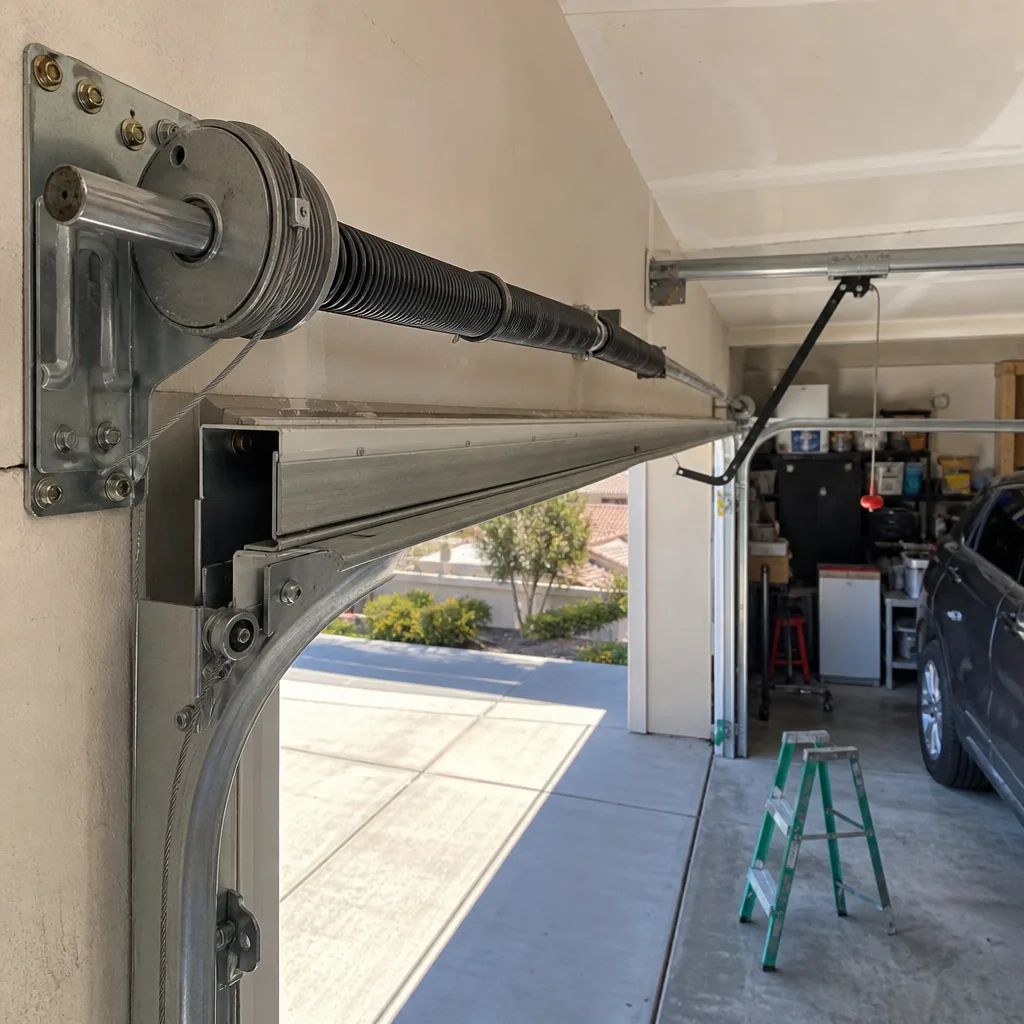 After
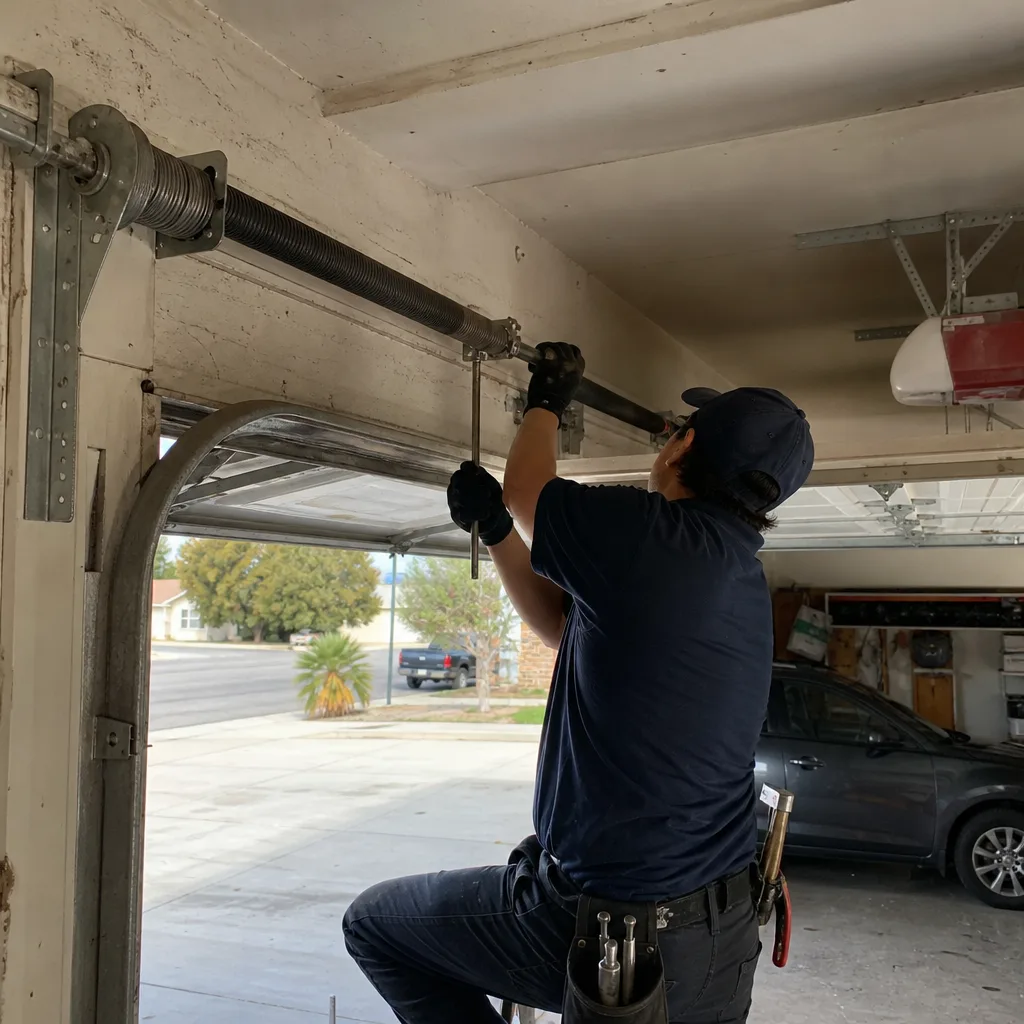 Before
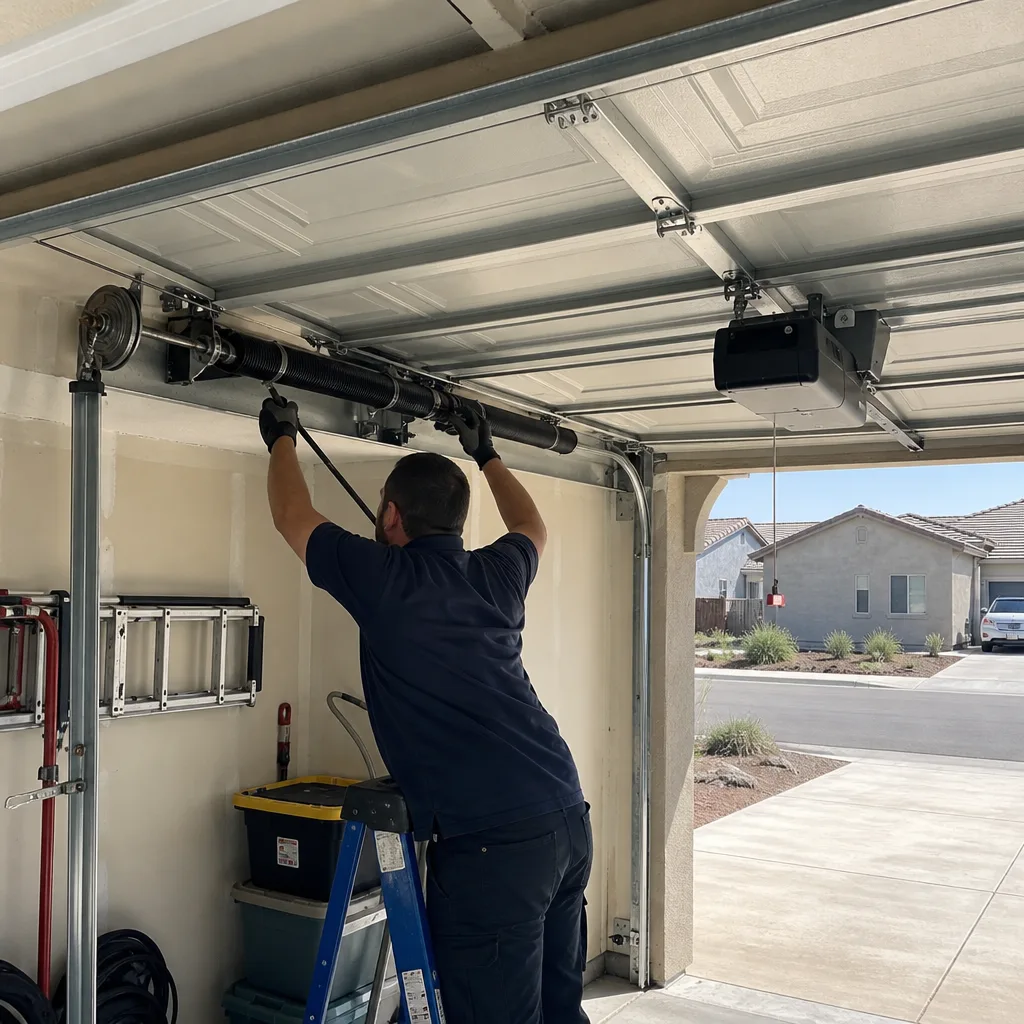 After
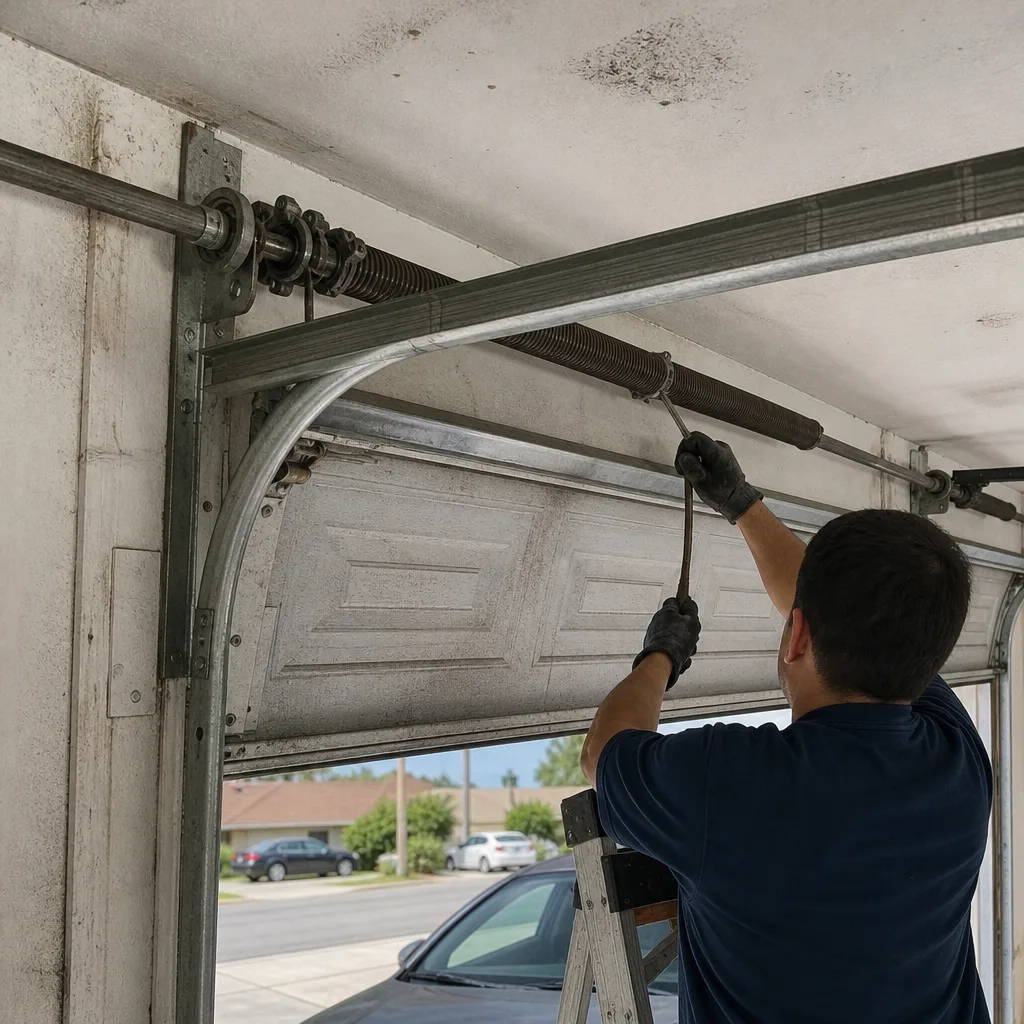 Before
 After