
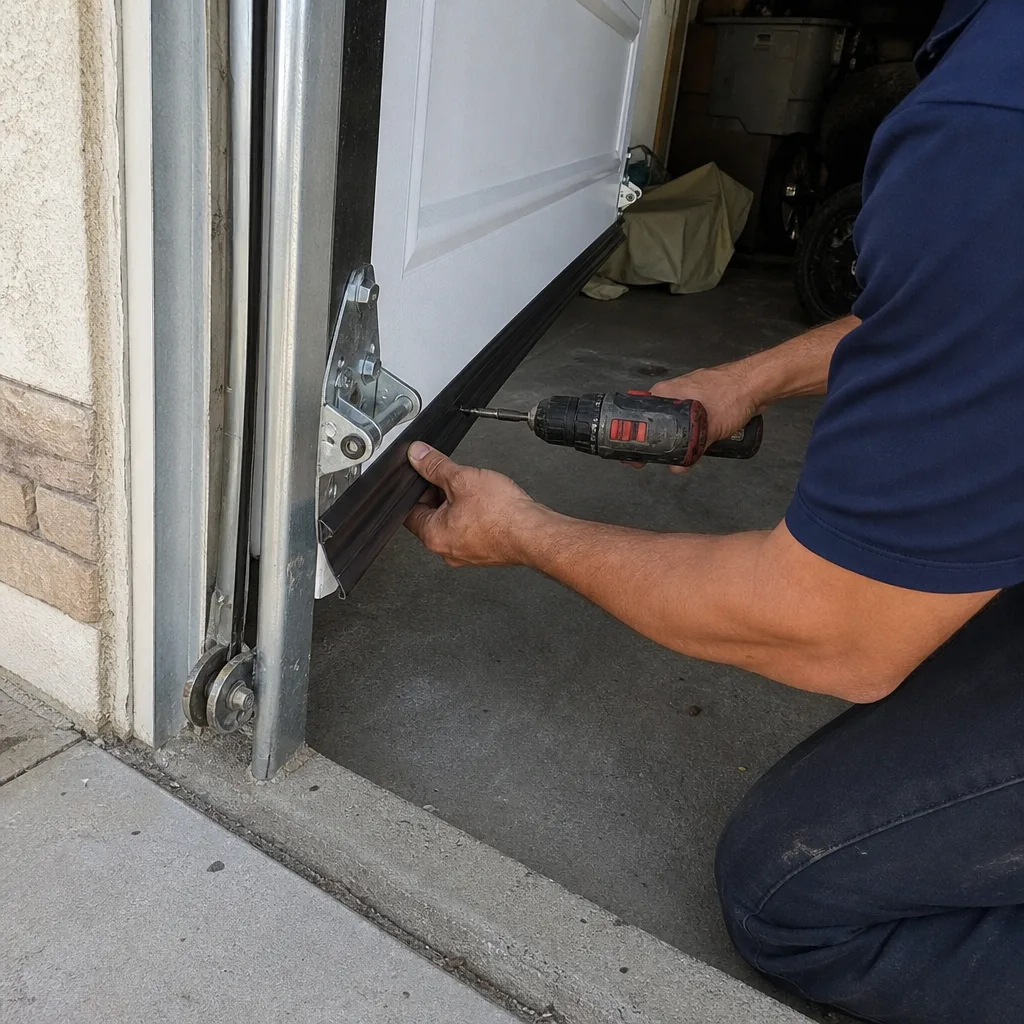
Last updated November 2, 2026
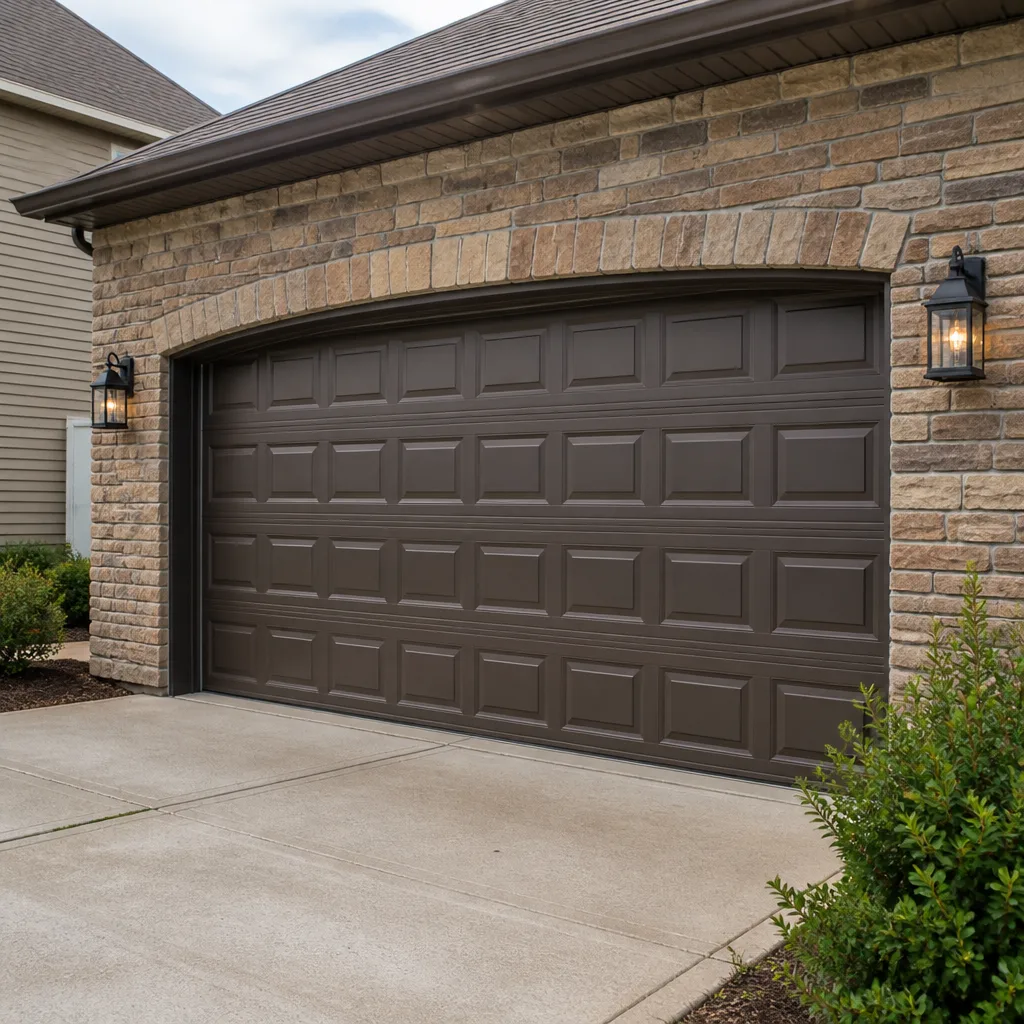 Raised-panel steel
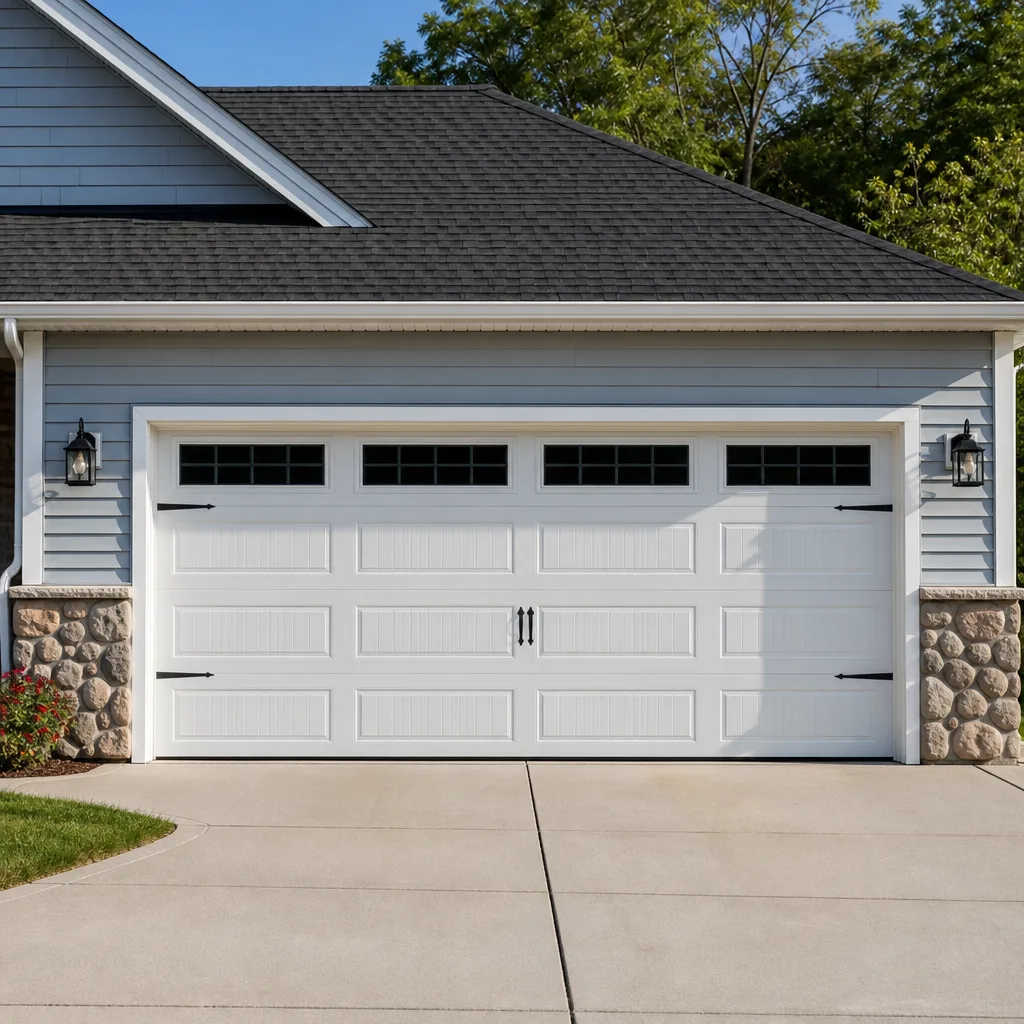
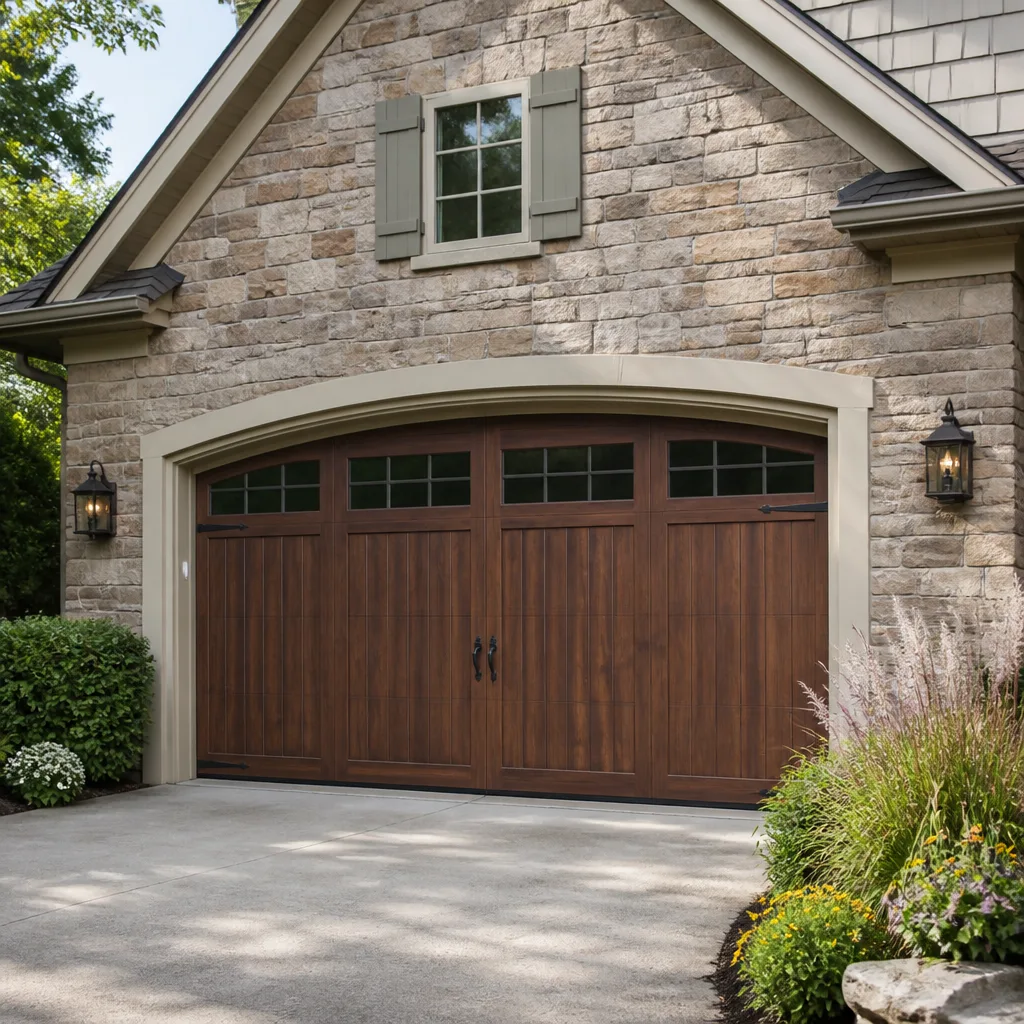 Carriage house
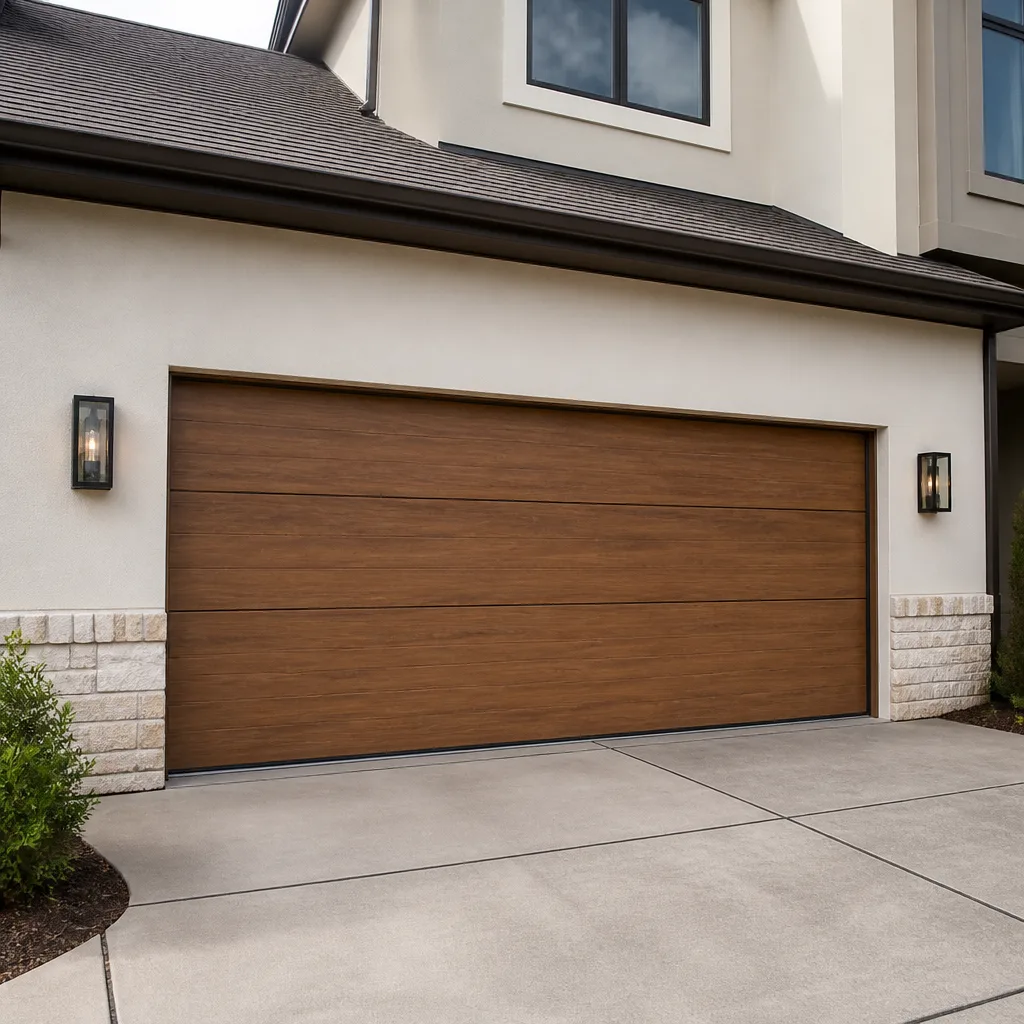 Modern flush
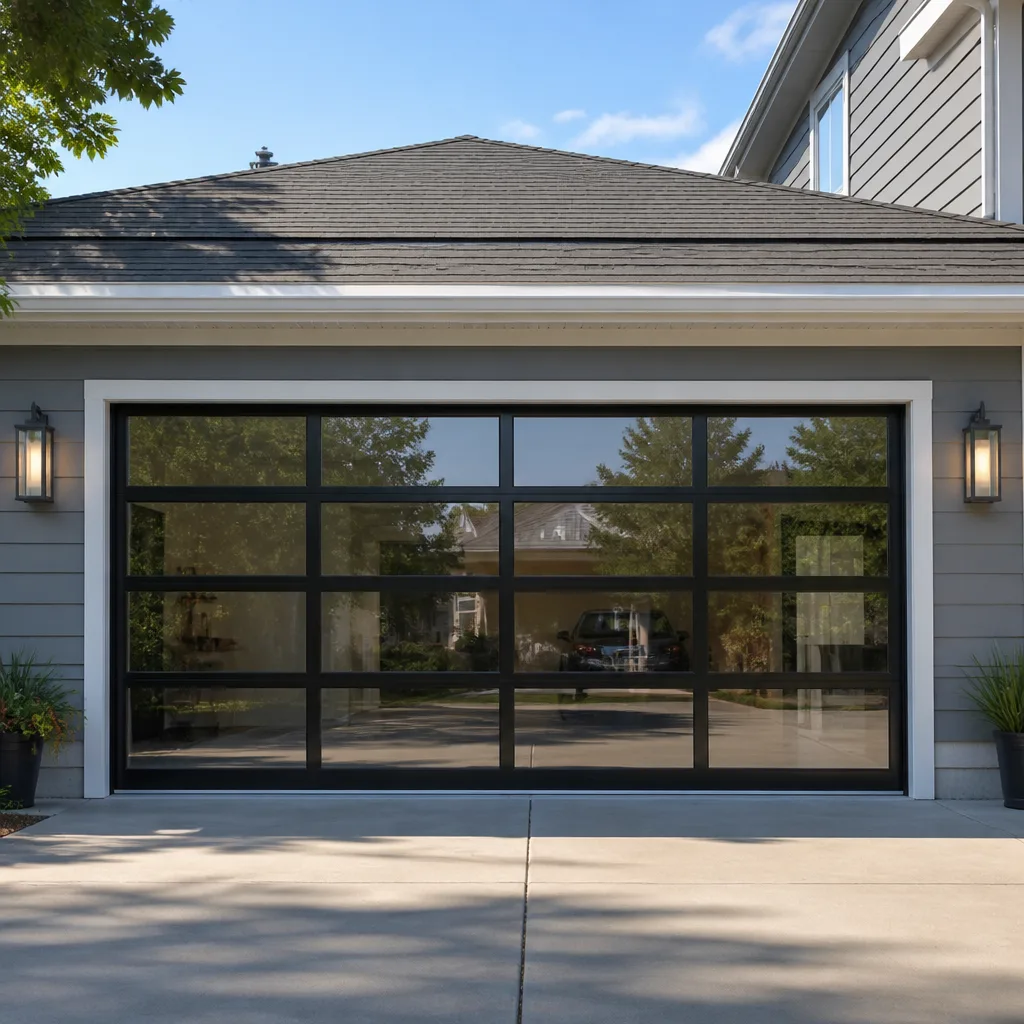 Full-view glass
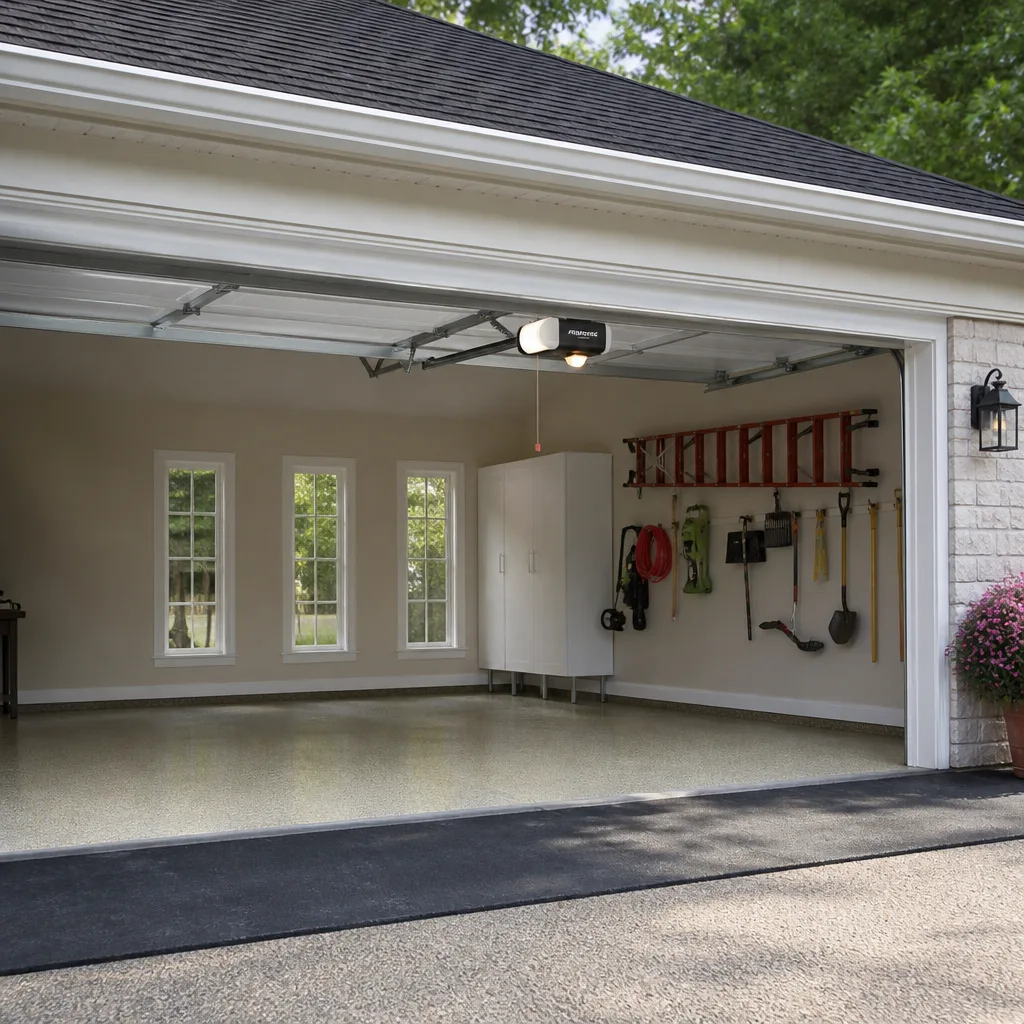 LiftMaster openers
 Chamberlain openers
Full 25-point door and opener safety check with every visit - springs, cables, rollers, tracks, and your LiftMaster or Chamberlain opener included
You get a price before we start. It does not change when the truck arrives.
Get your free estimateGarage Door Repair Maintenance Checklist for Hemet Homeowners
Here’s a fact most garage door maintenance guides won’t tell you: a door that gets lubricated on schedule but was never checked for balance will destroy a brand-new spring in half its expected lifespan. The lubrication makes the door run smoother, which masks the imbalance until the spring snaps. In Hemet, where summer temperatures routinely climb past 100°F and thermal expansion stresses every moving part, following the wrong maintenance sequence isn’t just wasted effort. It actively shortens the life of your door. This checklist is built around what actually fails first in the Inland Empire heat, and the specific order you should check things so you’re not hiding one problem while “fixing” another. You’ll learn how to do the 5-second balance test, which lubricants survive Hemet summers and which ones turn into grit magnets, what to inspect before the Santa Ana winds and dust storms hit, and where to draw the line between a homeowner task and a job for a technician.
Styles & brands we work with
- Raised-panel steel
- Carriage house
- Modern flush
- Full-view glass
- LiftMaster openers
- Chamberlain openers
Quick Answer
A garage door maintenance checklist for Hemet homeowners should follow this sequence: test door balance, lubricate with a high-temperature synthetic lubricant rated above 100°F, inspect and tighten hardware, check weather seals before dust storm season, and test the auto-reverse safety mechanism. The balance test comes first because lubricating an unbalanced door hides the imbalance and accelerates spring wear. Tasks involving torsion springs, cables, and track realignment require our Garage Door Repair services rather than DIY work.
Table of Contents
- Why the Balance Test Comes Before Lubrication
- What Hemet’s Climate Does to Garage Door Components
- The 5-Second Balance Test: What It Tells You About Spring Tension
- Lubricants That Survive a Hemet Summer (and Ones That Don’t)
- Hardware Inspection Sequence: Before You Run a Cycle Test
- Weather Seal Inspection: Timing It Before Dust Season
- DIY vs. Technician Work: A Clear Line, Not a Vague Warning
- A Seasonal Maintenance Schedule for Hemet
- Common Mistakes to Avoid
- When to Call a Professional
- Frequently Asked Questions
- The Bottom Line
Why the Balance Test Comes Before Lubrication
The order of your maintenance checks matters more than most people realize. Here’s the reasoning: a garage door that’s properly balanced has spring tension calculated so the door weighs nearly nothing when you lift it manually. When the springs lose tension or wear unevenly, the door gets heavier on one side or altogether. The opener now has to work harder, and the springs get stressed at abnormal points along their coil length.
If you lubricate first, you reduce friction. The door moves more freely. That feels like an improvement, and it is, temporarily. But you’ve now made it harder to feel the imbalance that’s actually wearing your springs out. The door glides smoothly while the torsion spring or extension spring continues to degrade under uneven load. In our experience with garage door repair in Hemet, we regularly see doors that were “well maintained” with regular lubrication but had springs snap at 4 to 5 years instead of the 7 to 10 year lifespan a balanced door would have achieved.
So the first item on any honest Hemet maintenance checklist is a balance test. It costs nothing, takes five seconds, and tells you more about the health of your door than any other single check. Do it with the door in manual mode. Then lubricate. Then inspect hardware. That sequence, balance before lubrication before cycle testing, prevents you from masking a mechanical problem with a chemical solution.
There’s a second reason sequence matters in Hemet specifically. Our temperature swings, from near-freezing winter nights to 110°F summer afternoons, cause metal components to expand and contract on a daily cycle. Bolts and brackets that were tight in January are often looser by August. A hardware inspection done after a balance test gives you a cleaner read on what the door is doing mechanically, not what it did while loosened bolts were rattling around. Run the sequence in the right order and each check confirms the one before it, rather than confounding it.
What Hemet’s Climate Does to Garage Door Components
Hemet sits in the San Jacinto Valley with a semi-arid climate. We get roughly 12 inches of rain per year, most of it in a short winter window. The rest of the year is dry, dusty, and hot. That specific pattern creates predictable failure points on garage doors, and the order in which components fail here is often different from coastal areas or cooler climates.
The first thing the heat attacks is lubrication. Standard petroleum-based greases and lightweight sprays break down above 100°F. They thin out, drip off the hinges and rollers, and leave behind a sticky residue that collects fine dust. After one summer, the residue-and-dust mixture turns into a grinding paste on the track and hinge pins. Homeowners in Temecula or Murrieta deal with similar conditions, but Hemet’s valley geography traps heat longer overnight, giving components fewer recovery hours.
Dust is the second assault. Hemet’s dry season, which runs roughly late spring through early fall, combines with occasional Santa Ana wind events to push fine particulate into every moving joint. Bottom seals crack in the low-humidity air, then dust blows in through the gaps and settles on the opener’s drive system, the sensor lenses, and the track. The garage door opener repair calls we handle in Hemet frequently trace back to dust accumulation on the travel module or sensor interference from dirty lenses.
UV exposure is the third factor. Garage door panels facing south or west get direct afternoon sun in Hemet. Over 5 to 7 years, that breaks down the paint finish and, on cheaper panels, the structural integrity of the panel itself. Wood doors dry out and warp. Steel doors with poor factory finishes fade and show rust spots, especially near the bottom edge where humidity from the slab wicks upward. The bottom seal is a rubber or vinyl composite, and it sees the same UV load. It becomes brittle and cracks from the corners inward.
One more Hemet-specific factor: the frost-free winter weeks when nighttime temperatures drop into the 30s cause thermal contraction in metal tracks. If your door was installed with tight clearances, you might notice it runs slower or binds slightly on cold mornings. That’s not always a failing component. It can be the track contracting. But it’s a signal that your annual inspection should include track alignment checks.
The 5-Second Balance Test: What It Tells You About Spring Tension
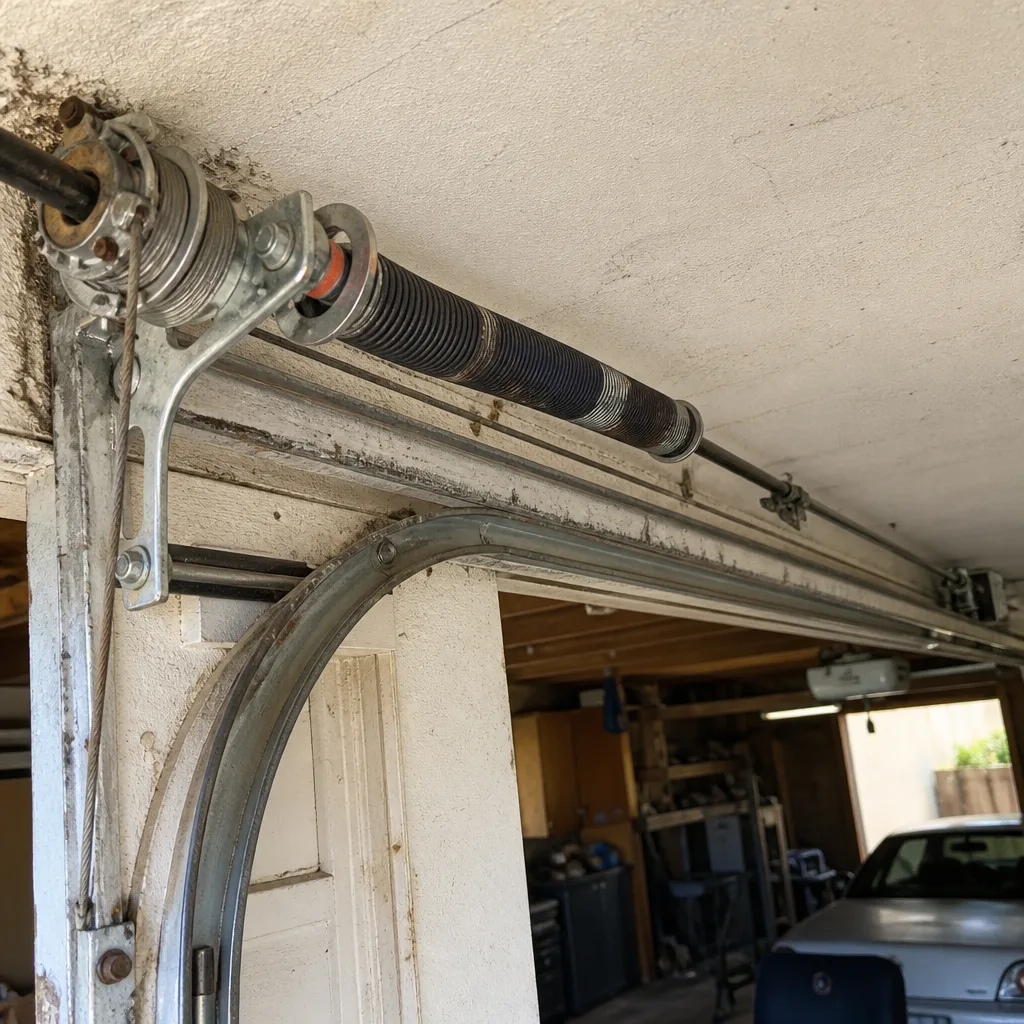
The balance test tells you whether your springs are doing their job. When a torsion spring or extension spring is correctly tensioned, the door should hold position when you lift it halfway and let go. If it drops or rises on its own, the spring tension is wrong, and everything else you do to maintain the door is built on a failing foundation.
Here’s how to run the test safely. You can do this yourself, but only as a diagnostic – see our Garage Door Repair Troubleshooting: Common Problems and How to Fix Them for additional context. You are not working on the spring. You are testing what it does:
- Close the garage door fully.
- Pull the red emergency release cord on the opener to disengage the door from the drive system.
- Stand inside the garage, grab the door handle or bottom edge, and lift the door manually to waist height.
- Let go of the door completely.
- Observe what happens.
Here’s what the results mean:
- Door holds at waist height: Springs are reasonably balanced. Proceed with the rest of the checklist.
- Door drops slowly or quickly: Springs have lost tension and are under-compensating for the door’s weight. The opener is carrying extra load. This can burn out an opener motor within a year in Hemet’s heat. Call a specialist.
- Door rises on its own: Springs are over-tensioned. This is less common but still problematic. An over-tensioned spring can snap with more force when it fails.
- Door hangs crooked or dips on one side: This indicates uneven spring tension, a failing cable, or a track alignment issue. Do not attempt to run the door repeatedly in this state.
One caveat: extension springs, which you’ll find on older Hemet homes and lighter doors, use two springs mounted above the horizontal tracks. If one spring breaks, the door may still function briefly but will list to one side. Torsion springs, mounted on a bar above the door opening, are the more common setup on newer installations. The same balance test works for both systems.
If the balance test fails, do not lubricate and move on. Call a Garage Door Service Hemet home professional. The imbalance will continue to stress your springs regardless of how well lubricated the door is.
Lubricants That Survive a Hemet Summer (and Ones That Don’t)
Not all garage door lubricants are equal under Hemet’s summer conditions. The primary choice is between silicone-based sprays, lithium-based greases, and petroleum-based products. Here’s what holds up when the temperature climbs and what you should avoid using entirely.
Lubricants that work in Hemet:
- Silicone spray with a high-temperature rating. Look for products rated to 300°F or above. Silicone doesn’t attract dust the way oil-based products do, which matters in a dusty valley. It works well on rollers, hinges, and the torsion spring.
- White lithium grease. The spray-on version works well for hinge pins and roller ball bearings. Lithium has good high-temperature stability and stays in place better than silicone on metal-on-metal contact points.
- Teflon-based or PTFE dry lubricant. These go on wet, dry to a film, and leave nothing tacky for dust to grab. They’re a good choice for the track itself, though the track doesn’t need much lubrication if the rollers are working properly.
Lubricants to avoid in Hemet:
- WD-40. It’s a penetrant and water displacer, not a lubricant. It briefly loosens things and then evapates, leaving parts drier than before. It also leaves a thin residue that catches dust.
- Heavy axle grease or petroleum grease. These collect fine desert dust and turn into abrasive paste inside of two months in Hemet. The paste accelerates wear on hinge pins and roller stems.
- Cooking oil or household oils. They break down quickly in heat, become sticky, and attract grit. Never use these on a garage door.
The parts you actually need to lubricate are fewer than most people think: the torsion spring, the hinge pivot points, the roller ball bearings or stems, and the lock mechanism if you have one. The track does not need lubrication if you have quality rollers. A light wipe-down with a clean cloth is enough. If you hear metal-on-metal grinding on the track, you have a roller problem, not a lubrication problem.
In our experience with garage door installation in Hemet, many newer doors from Clopay and Amarr come with sealed nylon rollers that require minimal lubrication. Older doors, particularly those from Wayne Dalton with steel rollers, benefit from a twice-yearly lithium application to the roller bearings. Match the lubricant to the roller type, and keep the product away from the belt or chain on the opener.
Hardware Inspection Sequence: Before You Run a Cycle Test
After the balance test and lubrication, the next step is inspecting the hardware. The point of doing this before a cycle test is to catch loose or misaligned components while the door is stationary, not after they’ve been rattled by an opening cycle and potentially worsened. A cycle test on a door with a loose hinge bracket can bend the track or strip a mounting bolt.
Here’s the inspection sequence:
- Hinges. Look at every hinge where panels connect. Check for loose bolts, elongated screw holes, or visible cracking in the hinge body. Tighten loose bolts with a socket wrench. If a screw hole is stripped, the hinge needs to be re-secured, not just tightened.
- Rollers. Check each roller for flat spots, wobble, and wear on the stem. Nylon rollers wear smooth and quiet; steel rollers wear with visible flat spots and noise. A worn roller on a Hemet door will grind against the track, especially in summer when the metal expands.
- Track alignment. Look for gaps between the roller and the track, bends in the vertical or horizontal track, and any track section that’s pulling away from the wall or ceiling brackets. Loose track mounting bolts cause the track to flex under the door’s weight.
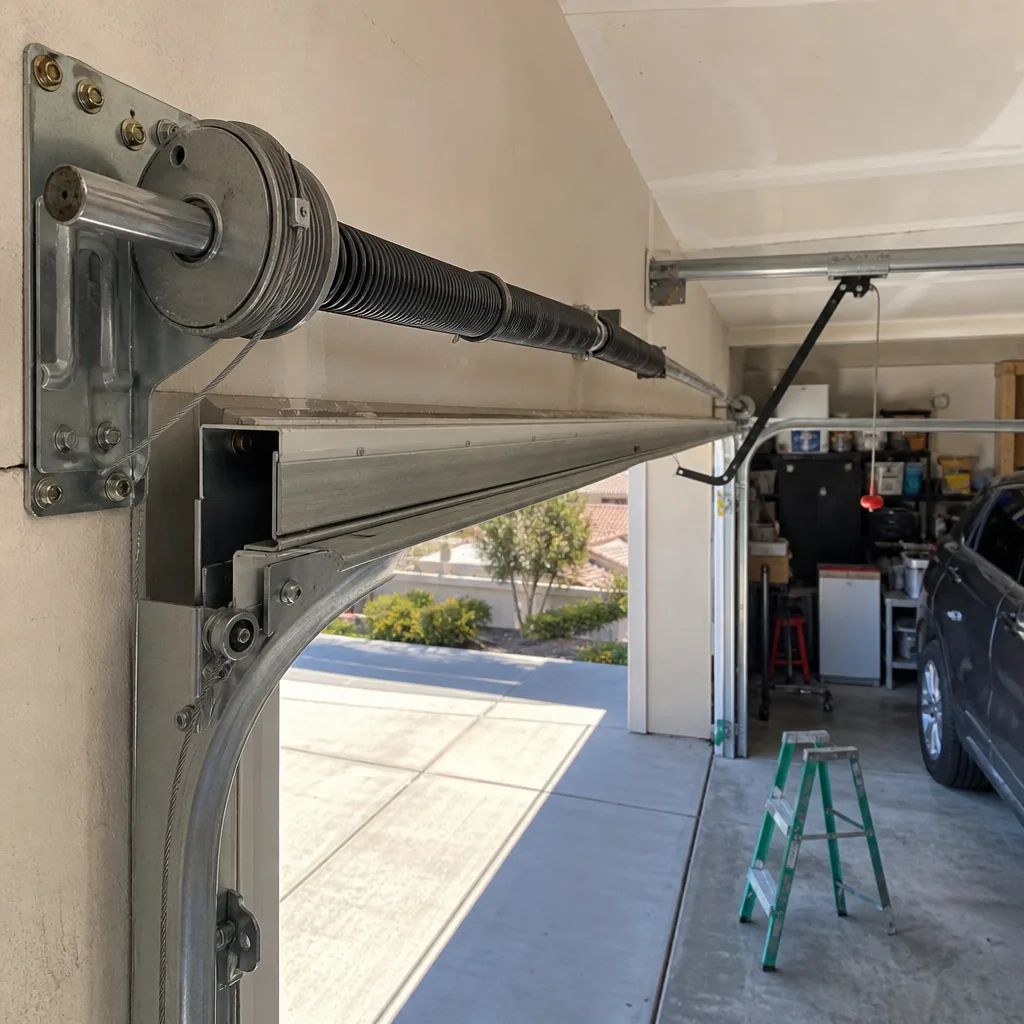
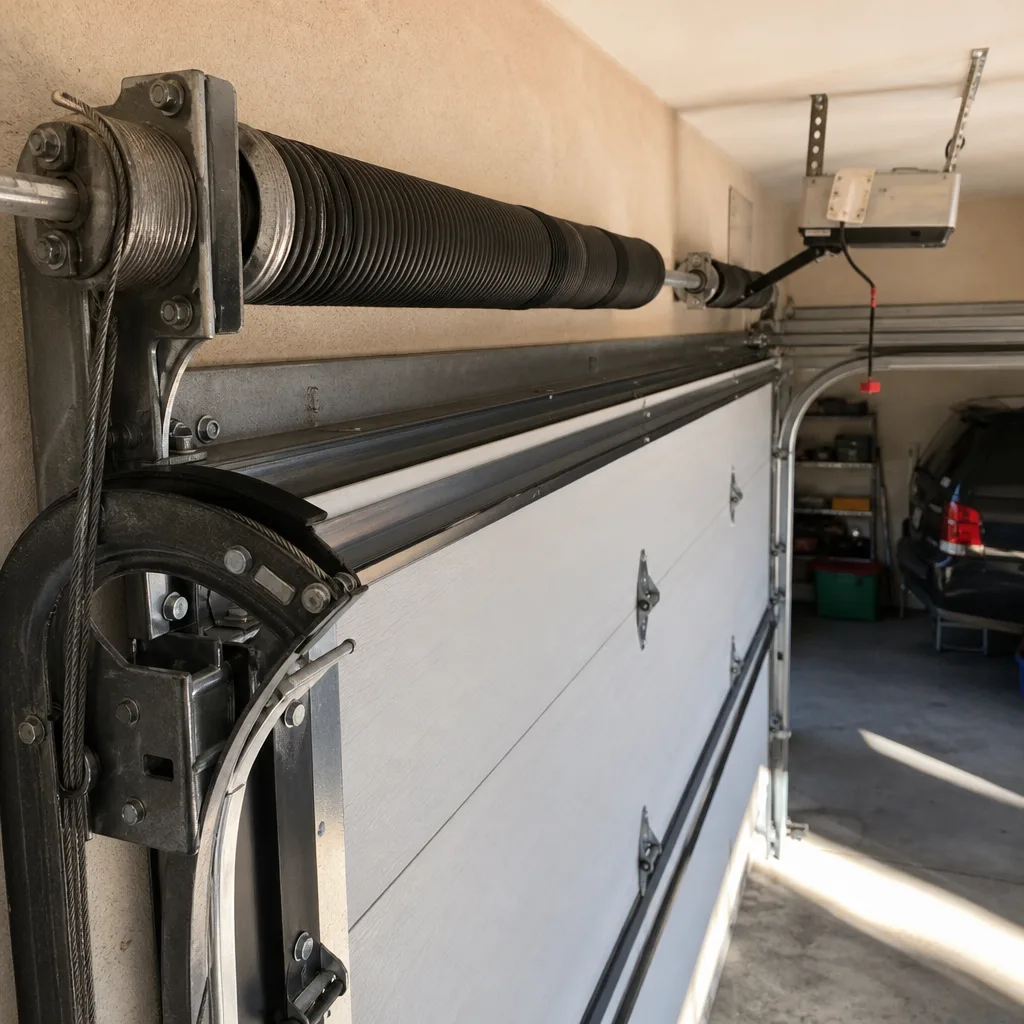
- Lift cables. Inspect both lift cables for fraying, kinks, or loose strands. On a torsion spring system, these cables run through pulleys and wind onto drums. On an extension spring system, they run through pulleys and hook to the springs. Any visible damage is a call to a technician.
- Brackets. Check the center bearing plate, the end bearing plates, and the header brackets. These are the anchor points that hold the spring system. A loose header bracket can shift the entire door geometry.
In Hemet specifically, pay attention to the fasteners on the garage door header. The thermal expansion cycle from our hot days and cooler nights works on every screw and bolt. Composite headers with wood screws loosen faster than steel headers with through-bolts. If you hear a popping or creaking sound when the door moves, it’s often a loose bolt rotating under load rather than a spring issue.
After the stationary inspection, you can safely run a cycle test. Open the door and close it one time. Listen for grinding, rattling, or squealing. Watch for jerky movement, hesitation at the halfway point, or the door rocking side to side. Any of those symptoms indicates a mechanical issue that was not visible during the inspection. If the cycle test is clean, your door is in good mechanical condition.
Weather Seal Inspection: Timing It Before Dust Season
The bottom seal on your garage door does more than keep water out. In Hemet, the critical job of the bottom seal is keeping dust out. When the seal cracks, splits, or loses its flexibility, fine desert dust finds its way in during every wind event. That dust settles on the opener’s circuit board, works into the drive system, and coats the sensor lenses with a fine film that eventually triggers false reversal events.
The timing of this inspection matters. You want to check your weather seals in late spring, before the Santa Ana winds and the deepest part of the dry season hit. If you wait until September, you’ve already had three to four months of dust infiltration.
Here’s what to look for on the bottom seal:
- Cracking or brittleness. Run your fingers along the seal. If it feels stiff or shows hairline cracks, it’s lost its rubberizer and needs replacement. UV damage from Hemet’s intense sun accelerates this process on south-facing doors.
- Gaps at the corners. The seal should contact the floor evenly across the full width of the door. Check for daylight or visible gaps at the corners, which indicate the seal has shrunk or the door isn’t settling level.
- Flattening. A seal that’s been compressed for years loses its ability to rebound. If the seal is flat where it meets the concrete instead of rounded, it’s not making a tight barrier anymore.
- Torn or missing sections. These are obvious failures, but they often happen at the ends where the seal slides into the retainer channel. Check both ends carefully.
Side and top seals matter too, but they wear more slowly than the bottom seal. Inspect them annually. The critical side seal in Hemet is the one on the prevailing wind side. For most Hemet homes, that’s the side facing north or northeast, toward the San Gorgonio Pass where wind funnels down from the high desert.
Replacing a bottom seal is a DIY-able job on many doors, particularly if the retainer channel is in good condition. You slide the old seal out and slide the new one in. But if the retainer channel itself is bent, rusted, or pulling away from the door, you need a repair rather than a seal replacement. A Genie or Clopay door with a damaged retainer channel is a common call for us because the aluminum retainer corrodes after years of contact with concrete and moisture.
DIY vs. Technician Work: A Clear Line, Not a Vague Warning
Most maintenance guides put a one-line disclaimer at the bottom about calling a professional for “complex repairs.” That’s not useful. For Garage Door Warning Signs: A Hemet Homeowner’s Reference Guide, here’s a clear line between what a Hemet homeowner can do and what requires a technician.
You can do these tasks:
- The 5-second balance test. This is a diagnostic, not a repair.
- Lubricating hinges, rollers (if accessible), and the torsion spring.
- Tightening loose hinge bolts and track mounting bolts.
- Inspecting weather seals and replacing a bottom seal if the retainer channel is intact.
- Cleaning the track with a dry cloth.
- Checking and cleaning the safety sensor lenses.
These tasks require a technician:
- Any torsion spring adjustment, replacement, or winding. Torsion springs are under hundreds of pounds of torque. A spring that releases during DIY winding can kill or cause catastrophic injury. This is not a warning, it’s a line. Do not cross it.
- Cable replacement or repair. Lift cables are under tension and connected to the spring system. A snapping cable can whip with enough force to cut through skin and muscle.
- Track realignment or replacement. Getting the track geometry wrong causes the door to bind, jump off the track, or wear out rollers prematurely.
- Spring replacement of any type. Whether you have torsion springs or extension springs, replacement requires specialized tools and the correct spring size, not a guess.
- Opener gear or circuit board repair. The drive system and electronics in modern openers are not field-repairable by a homeowner without risking electrical shock or further damage.
The line is not about skill level. It’s about physics. A torsion spring under tension stores enough energy to cause severe injury or death if it releases unexpectedly. Cables under load have the same kinetic risk. No amount of YouTube confidence changes those physics. When you’re working with components that store lethal force, hire a specialist who does this work every day and has the right tools, replacement parts, and training.
Garage Door Service Hemet is a dedicated garage door company, not a general handyman shop. Every technician works exclusively on garage doors, including opener-specific diagnostics and repair. That single-trade focus means we’re not splitting attention between plumbing, electrical, and garage doors. The result is faster diagnosis and correct fixes the first time.
A Seasonal Maintenance Schedule for Hemet
Hemet’s climate doesn’t follow a traditional four-season pattern. We have a hot dry summer, a mild fall with wind events, a cool wet winter, and a brief spring. Your maintenance schedule should align with those patterns, not with a generic calendar.
Late spring (May): This is the pre-dust-season window. Inspect and replace weather seals. Clean sensor lenses. Run the balance test and full hardware inspection before the summer heat sets in. Lubricate with a high-temperature product rated for the coming months.
Late summer (late August or early September): Clean dust from the track, rollers, and opener drive system. Check sensor lenses again after the dustiest weeks. Pull the emergency release and test the door’s balance again. Summer heat has been stressing the springs for three months.
Early winter (November or December): After the first rains, check for water intrusion. Inspect the bottom seal for standing water or dampness on the garage floor. If water is getting in, the seal needs replacement or the door needs leveling. Test the auto-reverse mechanism by placing a 2×4 in the door’s path. The door should reverse within two seconds of contact.
Late winter (February): Check for cold-weather track contraction. If the door binds on cold mornings, note whether it runs fine after the sun warms the garage. If the binding persists, schedule a track alignment. Lubricate again before spring.
Annual tasks, such as spring tension measurement and opener gear inspection, should be folded into one of these seasonal windows. We recommend the late spring window for the full annual inspection, since it sets the door up for the hardest months.
Common Mistakes to Avoid
- Lubricating before testing balance. This is the foundational error. It masks the one problem that shortens spring life the most. Balance first, then lubricate.
- Using WD-40 as a lubricant. WD-40 is a solvent and water displacer. It flushes out whatever lubrication is left and leaves metal parts dry. In Hemet’s dust, the residue it leaves behind acts like adhesive for fine particulate.
- Ignoring the bottom seal until the rainy season. In Hemet, the bottom seal’s primary job is dust control, not water control. A cracked seal allows dust into the garage all summer, damaging the opener and coating everything in a fine film.
- Tightening the track before checking balance. If the door is out of balance, the opener and springs are working against extra load. Tightening the track first doesn’t address the underlying issue and can mask the symptoms temporarily.
- Running a cycle test on a door with loose hardware. If a hinge bolt is loose or a roller is wobbling, running the door through an open-close cycle can bend the track or strip mounting holes. Inspect first, then cycle.
- Attempting torsion spring work based on a YouTube tutorial. Torsion springs hold hundreds of pounds of tension. The tools used for this work are specialized. A wrong move can be fatal. This is a hard line, not a cautious suggestion.
- Skipping the auto-reverse test. Modern openers have safety features that prevent the door from closing on children, pets, or objects. Test it monthly. If the door doesn’t reverse on contact, the opener needs technician attention immediately.
When to Call a Professional
There’s a specific set of circumstances that should trigger an immediate call to a garage door specialist. If the door fails the balance test, whether it drops, rises, or hangs crooked, the springs or cables need professional attention. If you see fraying on the lift cables or visible corrosion on the spring, don’t wait for a failure. Schedule a repair while the door still opens. If the opener is making a grinding noise but the door is balanced, the problem is likely the opener’s drive gear, which is an electronics-and-mechanics repair better handled by a specialist who works on the specific opener brand you own.
Garage Door Service Hemet works on the brands you already trust, including Genie, Clopay, Amarr, and Wayne Dalton. Our technicians service the specific make and model you have installed, with brand-matched parts rather than generic substitutions. If you’re in Hemet and you need a specialist, call (833) 589-9121 for a free estimate. One call, one specialist.
Frequently Asked Questions
Lubricate your garage door twice a year in Hemet, once in late spring before the summer heat and once in early fall after the dustiest months. Use a high-temperature silicone spray or white lithium grease rated above 300°F, never WD-40 or petroleum-based products.
Yes, the balance test is a safe DIY diagnostic. Pull the red emergency release cord while the door is closed, lift the door to waist height, and release it. The door should hold position. If it drops, rises, or hangs crooked, the springs need professional attention. Call (833) 589-9121 for a free assessment.
Garage door spring replacement in Hemet typically costs between $180 and $350 depending on whether you have a single spring or a dual-spring system and what type of spring your door uses. The price is quoted and agreed before any work begins. Call (833) 589-9121 for an exact quote based on your door.
A popping or creaking noise in summer heat usually comes from loose mounting bolts expanding and contracting with the daily temperature swing, or from hinges that need lubrication with a high-temperature product. If tightening and lubricating don’t solve it, the track may be shifting and needs a professional alignment check.
Yes, weather seals matter more in Hemet than in rainy climates because their primary job here is dust control. A cracked bottom seal lets wind-driven dust into your garage all summer, which accelerates opener wear and coats everything with fine particulate. Inspect seals in late spring before dust season peaks.
We service eight of the industry’s leading brands: LiftMaster, Chamberlain, Genie, Clopay, Amarr, Wayne Dalton, Craftsman, and Raynor. If you own a Genie opener or a Clopay door, we carry the parts and have the training to service your specific model. Call (833) 589-9121 to schedule service.
The Bottom Line
Hemet’s climate punishes garage doors in specific, predictable ways. The heat degrades lubricants and stresses springs. The dust infiltrates every crack and coats every moving part. The UV breaks down seals and panels. A maintenance checklist built for Hemet addresses those failure patterns in the right sequence: balance first, then lubrication, then hardware inspection, then weather seals, then cycle testing. The balance test is the single most important item on the list, and it’s the one most homeowners have never done. Do it today, before you touch a can of lubricant. If the door holds steady, proceed with the rest of the checklist. If it doesn’t, call the garage door repair specialists at (833) 589-9121 for a free estimate in Hemet.
Written by the team at Garage Door Service Hemet, serving Hemet since 2018. Browse more guides & resources.
See the difference
 Before
 After
 Before
 After
 Before
 After