
Last updated November 2, 2026
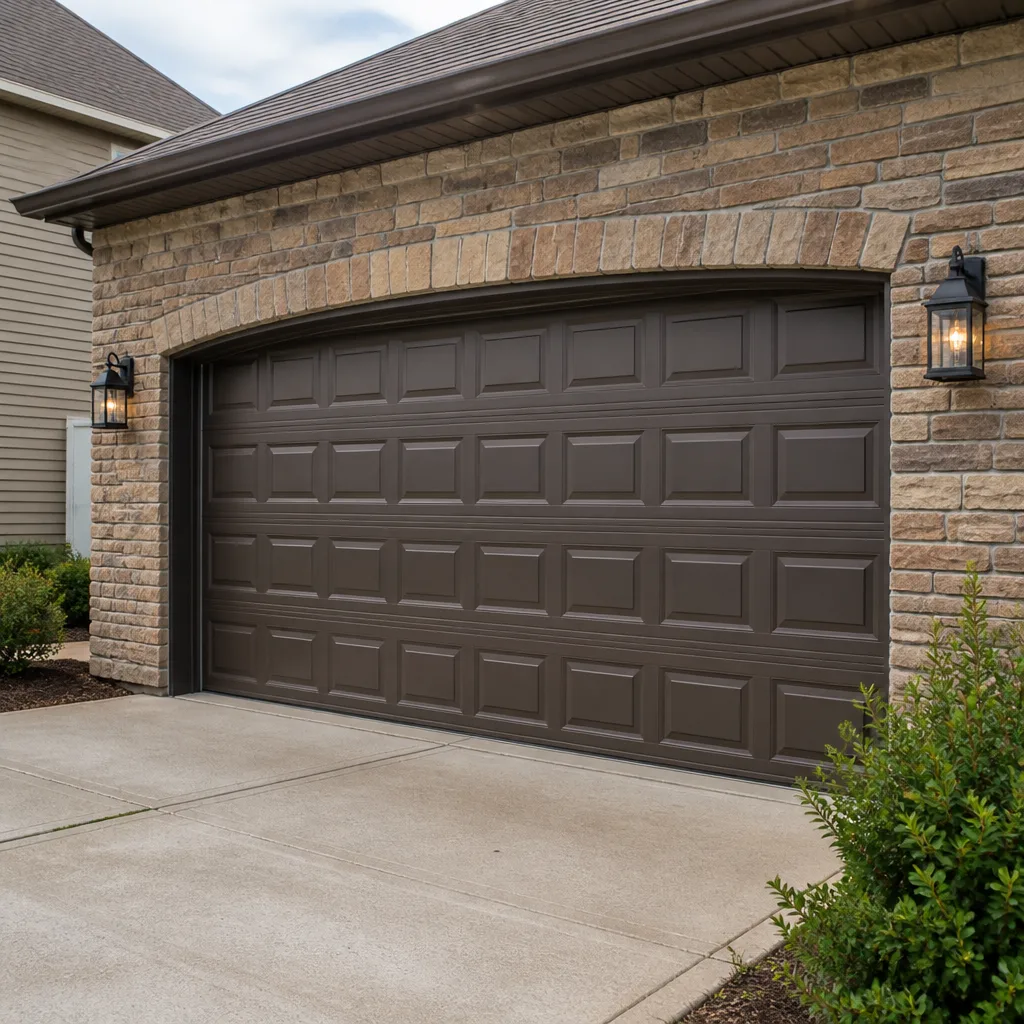 Raised-panel steel
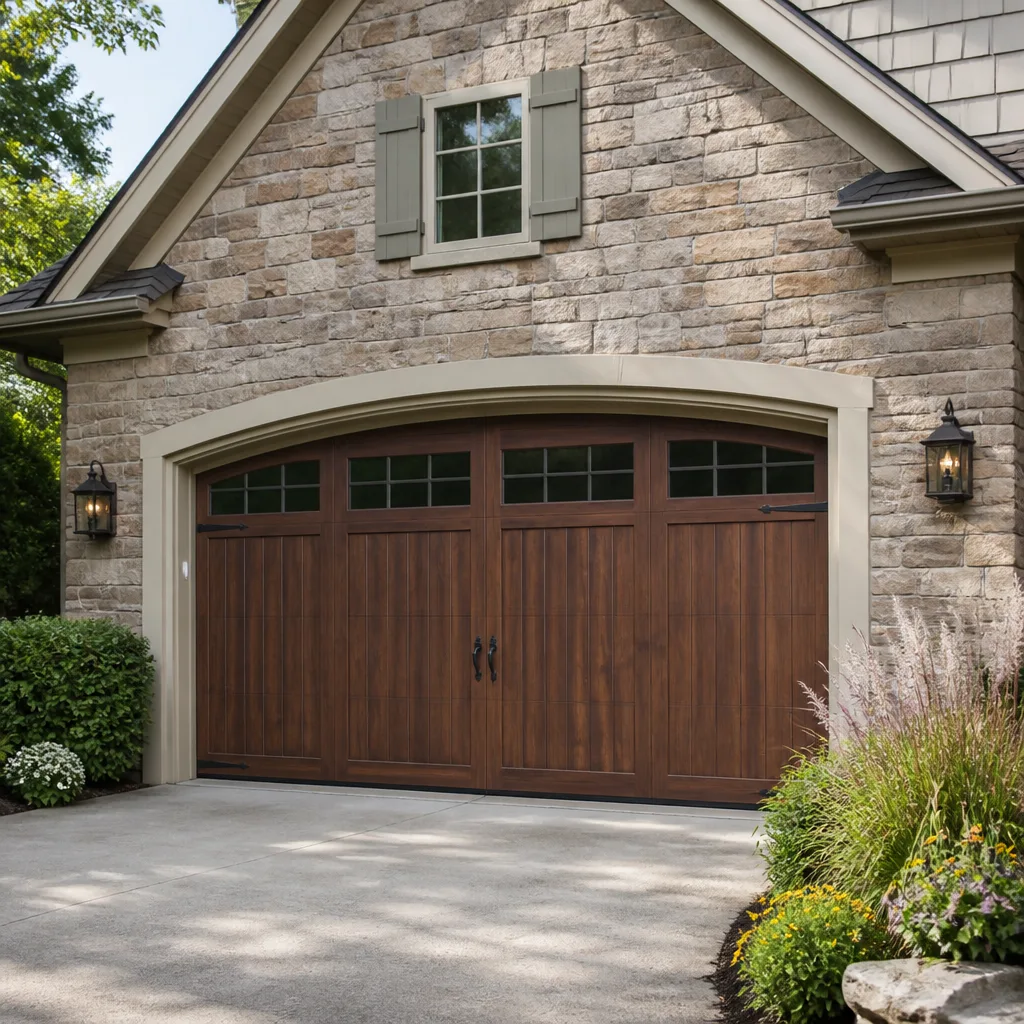 Carriage house
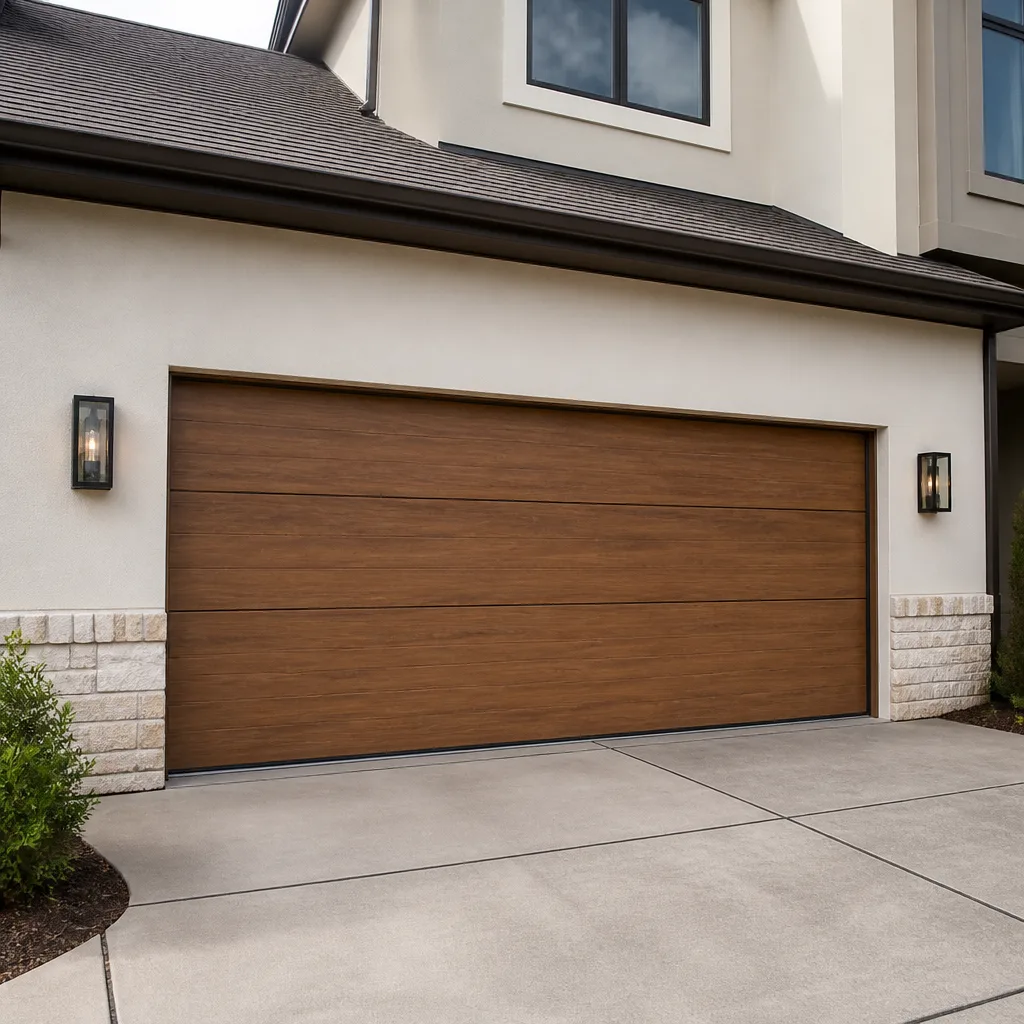 Modern flush
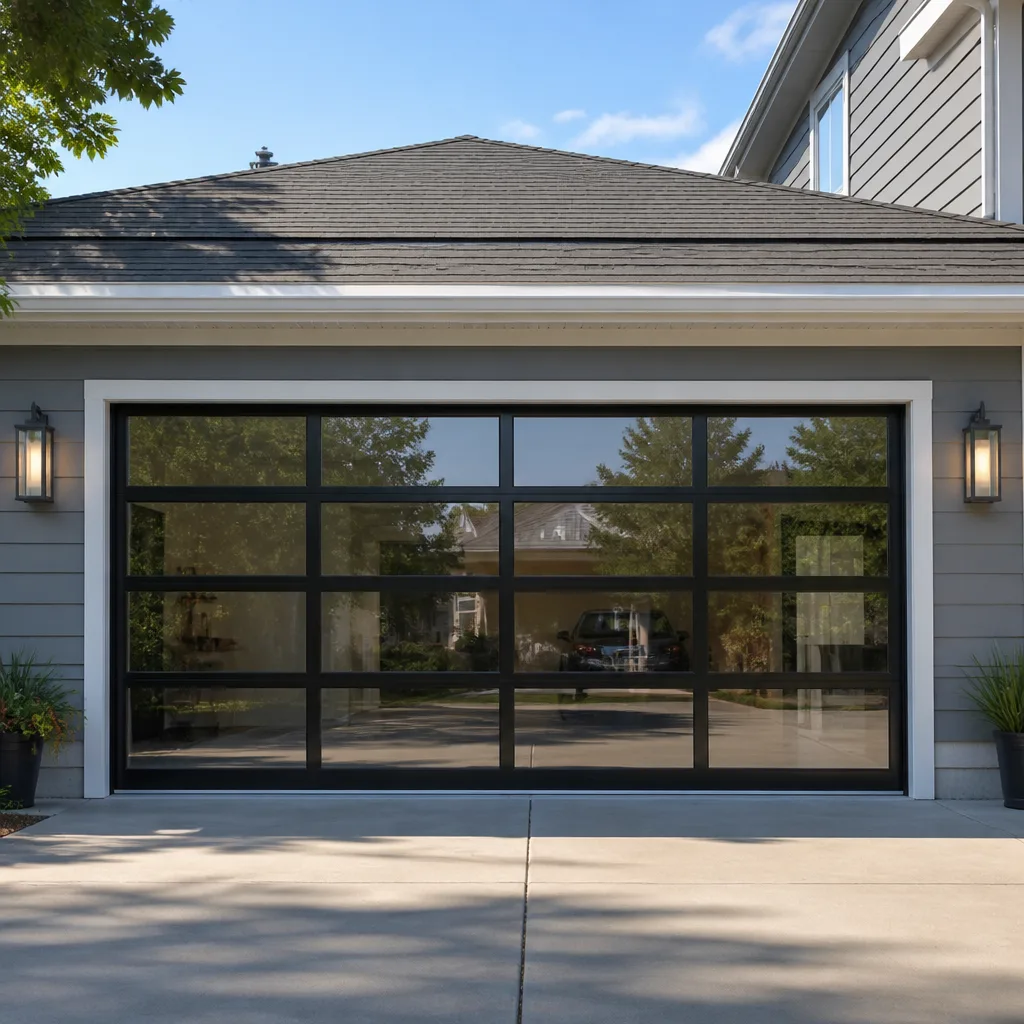 Full-view glass
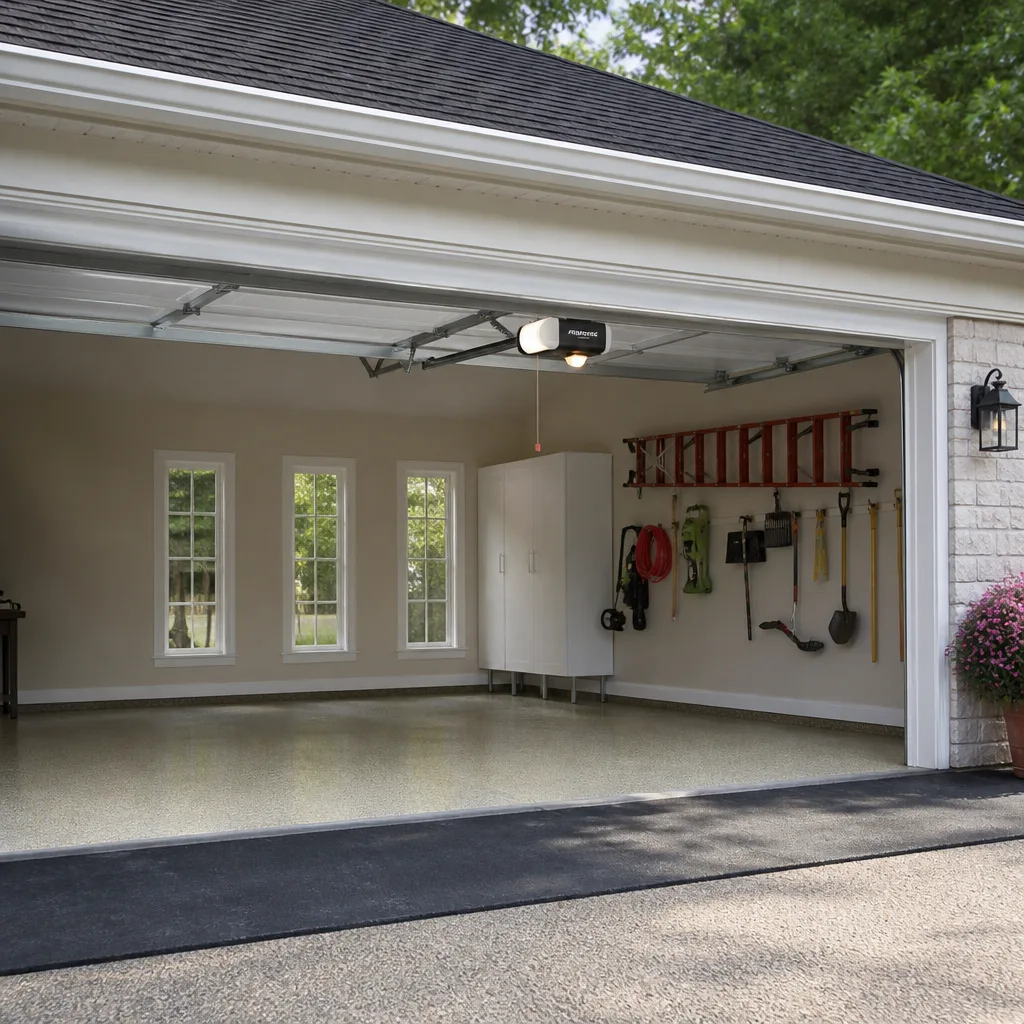 LiftMaster openers
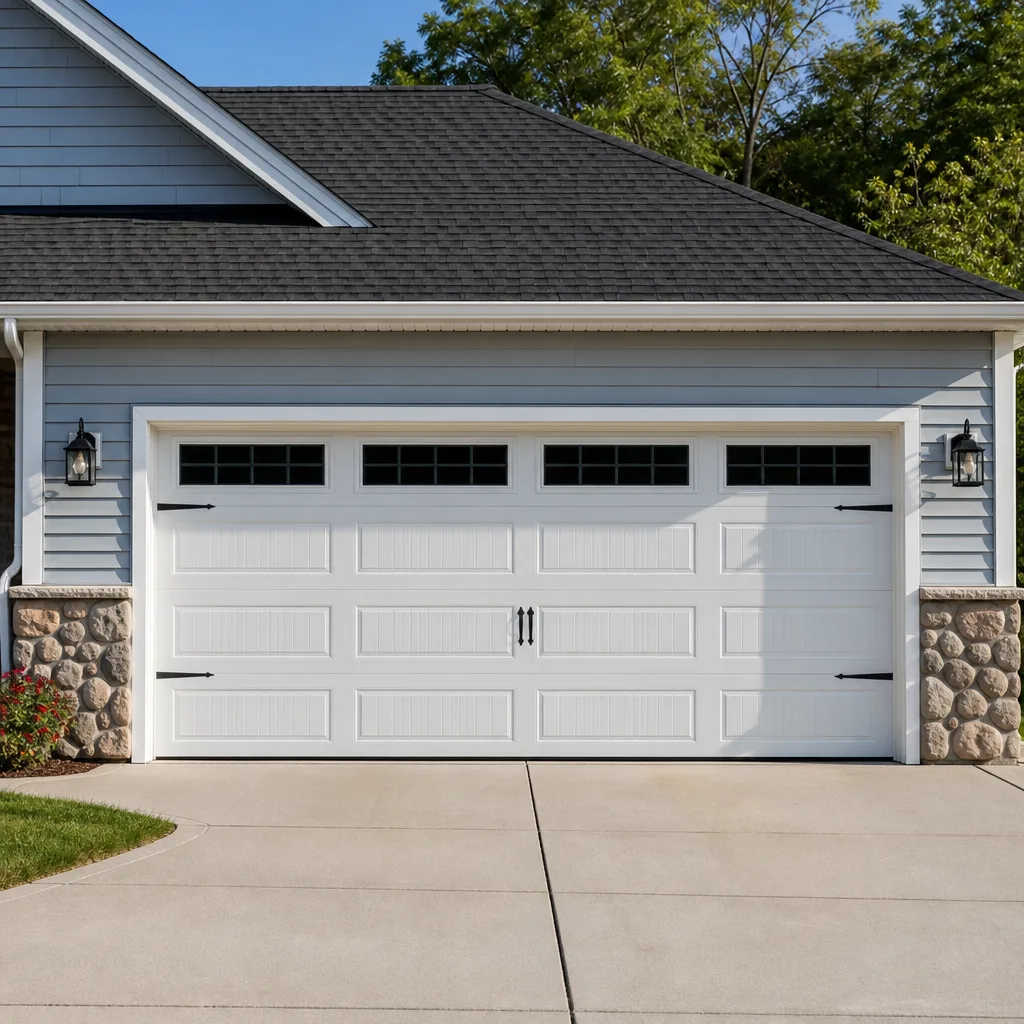 Chamberlain openers
Full 25-point door and opener safety check with every visit - springs, cables, rollers, tracks, and your LiftMaster or Chamberlain opener included
You get a price before we start. It does not change when the truck arrives.
Get your free estimateGarage Door Permits, Codes & Inspections in CA: What You Need to Know
Here’s something that surprises most Hemet homeowners: the garage door itself rarely triggers a permit. The work that happens around it does. When we get calls from people preparing to sell, the panic usually isn’t about a spring that broke last week. It’s about a permit that was never pulled five years ago when a contractor widened the garage opening and installed a new header. That unpermitted structural work shows up on a disclosure form, the buyer’s inspector flags it, and escrow stalls. This guide walks through when California and Riverside County actually require permits for garage door work, what codes govern the installation, and what to do if you discover unpermitted work on a home you already own. For more guides & resources, visit our blog.
Quick Answer
In California, replacing an existing garage door in the same opening does not require a building permit, but structural modifications, new openings, and new construction do. Energy code (Title 24) applies to new homes and major remodels, UL 325 safety standards govern every opener installation, and HOA rules in Hemet communities can add a separate approval layer. If you’re swapping a door like-for-like, you likely skip the permit counter; if you’re changing the rough opening, you’re on the hook.
Styles & brands we work with
- Raised-panel steel
- Carriage house
- Modern flush
- Full-view glass
- LiftMaster openers
- Chamberlain openers
Table of Contents
- When a Permit Is Actually Required in California
- Replacement-in-Kind: The Most Common Scenario
- Title 24 Energy Code and Your Garage Door
- UL 325 Safety Standards for Openers
- Hemet and Riverside County Specifics
- The HOA Layer: CC&Rs in Hemet Communities
- Unpermitted Work on a Home You Already Own
- Common Mistakes to Avoid
- When to Call a Professional
- Frequently Asked Questions
When a Permit Is Actually Required in California
The California Building Code (CBC), which adopts and amends the International Residential Code, governs garage door work. The trigger for a permit is not the door itself. It’s what you do to the building envelope. Here’s the breakdown:
- Replacing an existing door in the same rough opening: No permit required. This includes swapping a 16×7 steel door for a new Garage Door Installation in Hemet of the same or slightly different panel configuration. The opening dimensions don’t change, the header stays put, and the structural loads remain identical.
- Cutting a new opening where none existed: Permit required, always. This means reframing load-bearing walls, installing a new header, and possibly adding shear wall details. Riverside County plan review will want engineered drawings.
- Widening or heightening an existing opening: Permit required. You’re altering the header span and the load path. A new engineered header, possibly an LVL or steel beam, is mandatory.
- Converting a carport to an enclosed garage: Permit required. This is new construction from a code perspective, involving walls, roof ties, and possibly foundation work.
- Replacing a door on a detached garage under 120 square feet with no utilities: Still follows the same rules. Size triggers the opening question, not the structure’s occupancy.
In Hemet, the Building & Safety division enforces the California Residential Code. We’ve seen homeowners assume that because Riverside County is generally permit-friendly, they can skip the counter for a widened opening. That assumption gets corrected fast at the next resale. If you’re planning anything beyond a like-for-like swap, call the City of Hemet Building Department at 445 East Florida Avenue and ask for a prescreen. The conversation takes five minutes and saves you a title-company headache later.
Replacement-in-Kind: The Most Common Scenario
Ninety percent of what we do at Garage Door Service Hemet home is replacement-in-kind. A spring breaks, panels get dented, or the homeowner wants a newer door with better insulation. The opening stays the same. No permit, no inspection, no plan check.
But “replacement-in-kind” has a boundary. If your new door is significantly heavier than the old one, say you’re swapping a hollow aluminum door for a solid wood Clopay carriage house door, the spring system changes. That’s still not a permit issue, but it does affect the track load and opener sizing. A technician who doesn’t understand torsion spring math can create a safety hazard. This is where a brand-fluent specialist matters. Our team works with the hardware the door was designed for, including Amarr, Wayne Dalton, and Craftsman systems, so the weight calculations match the manufacturer’s spec sheet.
The one exception to the no-permit rule for swap-outs: if the original opening itself was never permitted. Some Hemet homes built in the 1970s and 1980s have garage additions that predate current record keeping. If you’re replacing a door on an opening that was added without permits decades ago, the replacement is still fine, but the opening’s history may surface during a sale. More on that in the unpermitted work section below.
Title 24 Energy Code and Your Garage Door
California’s Title 24, Part 6 energy standards apply to new construction and major remodels. For garage doors specifically, Title 24 does not mandate insulated doors in most residential applications. Garages are classified as unconditioned space. The thermal boundary of the home is the wall between the garage and the living area, not the garage exterior wall.
Where Title 24 does bite:
- New homes: The wall between an attached garage and conditioned living space must be insulated to a specified R-value. The garage door itself is typically exempt from insulation requirements unless the garage is part of the home’s conditioned envelope, which it usually is not.
- Garage-to-ADU conversions: If you’re converting a garage into an accessory dwelling unit in Hemet, every exterior surface becomes part of the conditioned envelope. That includes the garage door if it remains. Most ADU conversions remove the door and frame in a wall, which triggers the structural permit discussed above.
- Homes with living space above the garage: The ceiling assembly gets the insulation requirement, not the door. Some jurisdictions want the garage door to have a basic air seal for fire safety, but that’s a different code section.
In practice, we recommend insulated doors for Hemet’s climate regardless of the code. Summer temperatures in the San Jacinto Valley routinely top 100 degrees. An uninsulated steel door radiates that heat into the garage, which drives up the temperature of anything stored on the other side of the wall. It’s a comfort and utility-bill decision, not a compliance decision. When we quote a replacement, we show the R-value difference between a basic pan door and a polyurethane-core door from Amarr or Clopay. You make the call. The code won’t force it.
UL 325 Safety Standards for Openers
Every garage door opener sold in the United States must comply with UL 325, the standard for door, gate, and window operators. This is not a local building code. It’s a national safety standard that manufacturers must meet. But installers have compliance responsibilities too.
UL 325 requires two primary entrapment protection systems on every residential opener installed after 1993:
- Mechanical reverse: The opener’s motor must sense the additional force of hitting an obstruction and reverse direction within two seconds. This is tested by lowering the door onto a 2×4 laid flat on the floor. The door must reverse on contact.
- Photo-eye sensors: Two sensors, one on each side of the opening, mounted no higher than 6 inches from the floor. An invisible beam runs from one to the other. Break the beam while the door is closing, and the door reverses and returns to the open position.
A compliant photo-eye setup means the sensors are aligned, clean, and mounted to the track or wall firmly. Loose sensors drift out of alignment and start causing nuisance reversals. In Hemet’s dusty summers, sensor lenses get a fine coating of San Jacinto Valley grit that blocks the beam. We clean and realign photo-eyes on almost every opener service call we make. It’s the most misdiagnosed problem in the trade. For Garage Door Repair Troubleshooting: Common Problems and How to Fix Them, see our detailed guide. The opener isn’t broken. The sensors are just dirty or kicked out of square by a passing bicycle.
If you have an opener older than the photo-eye era, say a Genie or LiftMaster unit from the late 1980s, the door closes with a pressure system only. That’s legal to own, but we strongly recommend upgrading. New openers from LiftMaster and Chamberlain have additional safeguards, including battery backup and automatic locking. For opener diagnosis, see our Garage Door Opener Repair in Hemet page.
Hemet and Riverside County Specifics
Hemet operates its own Building & Safety department, which means you deal with the city, not the county, for permit questions inside city limits. The city adopts the California Residential Code with local amendments, mostly around hillside construction and fire zones. Parts of Hemet sit in moderate fire hazard severity zones, particularly along the foothills east of State Street. Fire codes in those zones can affect garage construction materials, but rarely affect a door replacement.
Wind and topography matter more than fire for garage doors in Hemet. The San Jacinto Valley’s notorious Santa Ana winds put lateral load on garage door panels and tracks. A properly installed reinforcement strut on a double-wide door is the difference between a door that holds and one that twists during a 50 mph gust. This is an installation quality issue, not a code issue. But inspectors notice strut placement when they do look at doors on new construction. We follow the manufacturer wind-load ratings for every door we install, whether it’s a Wayne Dalton or a Craftsman.
One local code nuance worth knowing: Hemet requires a permit for any garage door opener electrical work that involves running new branch circuits. Swapping a plug-in opener on an existing outlet? No permit. Adding a new dedicated circuit for a high-torque side-mount opener? That’s electrical work and needs a permit from the city. Most homeowners trip over this one because they think of the opener as an appliance, which it functionally is, but code treats the wiring as part of the building’s electrical system.
The HOA Layer: CC&Rs in Hemet Communities
Hemha homeowners in communities like McSweeny Farms, Willowalk, and the newer tracts east of Winchester have a second approval process that has nothing to do with the city. The HOA’s Covenants, Conditions, and Restrictions (CC&Rs) typically include architectural review for any exterior change, including garage door color, style, and material.
That means even a simple like-for-like replacement can trigger an HOA application. The city won’t care if you swap a white steel door for a wood-grain Clopay door. The HOA will. Many Hemet HOAs maintain a pre-approved palette of door colors and styles. Some require carriage house styling for street-facing doors. Others prohibit visible insulation, which affects your panel choice.
The timeline matters. HOA architectural review can take 30 to 60 days in some Hemet communities. If your door fails in August and you need it replaced immediately, you can’t usually wait six weeks for a committee meeting. Our practical guidance: call your HOA management company before the door breaks. Get the pre-approval for a replacement door and keep it on file. When the spring fails on a Saturday morning, you’re ready to proceed without waiting on ARC review. This is the kind of planning that saves homeowners days of doorstep drama.
For Garage Door Repair in Hemet, HOA rules rarely apply to mechanical work. Springs, cables, tracks, and rollers are internal components. The HOA cares about what the street sees. The city cares about structural integrity. The springs fall under neither, which is why repair work never needs a permit.
Unpermitted Work on a Home You Already Own
This is the scenario that drives the most anxiety, and it’s more common in Hemet than most people expect. You bought a home, lived in it for years, and never thought about the garage door opening. Then you list the house. The buyer’s inspector notices the opening was widened at some point, checks city records, and discovers no permit. Now what? Watch for Garage Door Warning Signs: A Hemet Homeowner’s Reference Guide to catch issues early.
Your actual options, in order of most common resolution:
- Disclose and negotiate: The most common outcome. You disclose the unpermitted work to the buyer. Depending on the buyer’s lender, the sale can sometimes proceed with a price adjustment or a seller credit. FHA and VA loans have stricter standards and may reject the property outright until addressed.
- Retroactive permit with inspection: Riverside County and Hemet allow property owners to apply for a permit after the fact. The building department sends an inspector who evaluates the work against current code. If the header is properly sized and installed, you may be able to get a retroactive permit by opening up the wall for inspection and then repairing the drywall. This costs a few thousand dollars in most cases and takes two to four weeks.
- Remove and restore: In the worst case, the unpermitted modification is structurally unsound and must be corrected. The opening gets reframed to original dimensions or rebuilt to current code. This is expensive, but we’ve seen it happen three times in the San Jacinto Valley in the past decade. Each time, the original work was done by an unlicensed handyman who cut corners on the header.
- Title insurance claim: If the unpermitted work was done before you purchased and wasn’t disclosed, your title policy may cover the remediation. This is rare, but worth a conversation with your title company.
Our advice: don’t panic and don’t try to hide it. California’s disclosure requirements are strict, and intentionally concealing unpermitted structural work is a legal liability that outweighs whatever price hit you’d take by disclosing it. The market for Hemet homes has been strong enough that a retroactive permit typically costs less than the lost value of a delayed or cancelled escrow.
Common Mistakes to Avoid
- Assuming every door replacement needs a permit: It doesn’t. Like-for-like swaps in the same opening are permit-exempt in Hemet and throughout Riverside County. Calling the city is free, but don’t assume you’re required to.
- Assuming no door work ever needs a permit: The opposite error. Structural changes, new openings, and carport conversions always need permits. The door itself is irrelevant to the trigger.
- Forgetting the HOA layer: Hemet HOAs can deny a door replacement independent of city code. Get ARC approval before ordering a door, not after it arrives.
- Skipping the opener’s safety inspection: A working door is not the same as a compliant one. If the photo-eyes are bypassed or mounted too high, the door violates UL 325, and you inherit the liability if someone gets hurt.
- Buying a door by price alone: A door that meets minimum wind-load ratings in Florida may not hold up in Hemet’s Santa Ana conditions. Brand and build quality matter.
- Covering up unpermitted structural work before a sale: Drywall patches don’t erase building department records. Disclose. The cost of honesty is lower than the cost of a lawsuit.
- Hiring a general handyman for door opener wiring: Electrical work for a new circuit requires a permit and a licensed electrician, or a licensed contractor who pulls the right permits. This is a frequent call we get after a handyman “wired something up” and the breaker trips every time the opener runs.
When to Call a Professional
Any structural change to your garage opening means an engineer, a permit, and a licensed contractor. Any gas strut, torsion spring, or cable work on a door is dangerous. Door springs hold hundreds of pounds of tension, and cable failures can cause serious injury to anyone standing nearby. We never recommend DIY spring or cable repair. For everything else, including replacement-in-kind, opener diagnosis, and brand-specific service on LiftMaster, Chamberlain, Genie, Clopay, Amarr, Wayne Dalton, Craftsman, and Raynor equipment, a dedicated garage door specialist saves you the hassle of someone who works on doors one day and dishwashers the next. Garage Door Service Hemet offers free estimates in Hemet – call (833) 589-9121.
Frequently Asked Questions
Replacing a garage door in the same rough opening without altering the structure does not require a permit in Hemet. If you’re widening the opening, adding a new opening, or making structural changes, call the city’s Building & Safety department at (833) 589-9121 for an upfront conversation and we’ll walk the permit path with you.
Title 24, Part 6 energy standards apply to conditioned living space, not unconditioned garages. Insulated garage doors are generally not required by code unless the garage is being converted to living space. For Hemet homes, insulation is still worth considering for comfort and cooling costs in summer.
Yes, UL 325 applies to all residential garage door openers installed after 1993, including replacement units. If your home has an older opener, it’s legal to own but should be upgraded to modern safety standards with photo-eye sensors and auto-reverse.
If you already own the home, your options include disclosure at resale, retroactive permitting with an inspection, or structural remediation if the work is unsafe. Don’t hide it. The disclosure requirements in California are strict, and a retroactive permit in Hemet typically costs less than the fallout from concealment.
Yes. Hemet HOAs like McSweeny Farms and Willowalk can require architectural review before you replace a street-facing door, including approval of color, style, and material. Get pre-approval before the door fails so you’re not waiting on a committee when the spring breaks.
Permit fees in Hemet vary based on the scope of structural work. A typical structural modification permit for a widened garage opening runs a few hundred dollars in plan check and permit fees, plus the cost of engineering drawings. Replacement-in-kind work has no permit fee because no permit is required. For an exact quote on your specific project, call (833) 589-9121 and we’ll talk through what your opening actually needs.
The Bottom Line
Garage door permits in California are simpler than most people fear, and more important than most people realize. Replacement-in-kind? No permit, no inspection, no problem. Structural changes? Permit, engineering, and a paper trail that protects you at resale. UL 325 safety compliance applies to every opener, Title 24 applies mostly to new construction, and Hamet HOAs layer their own approval process on top of all of it. The expensive problems surface not during installation, but years later at escrow. Plan the work with the resale in mind, and you’ll never be the seller sweating a disclosure form. Written by the team at Garage Door Service Hemet, serving Hemet since 2018.
See the difference
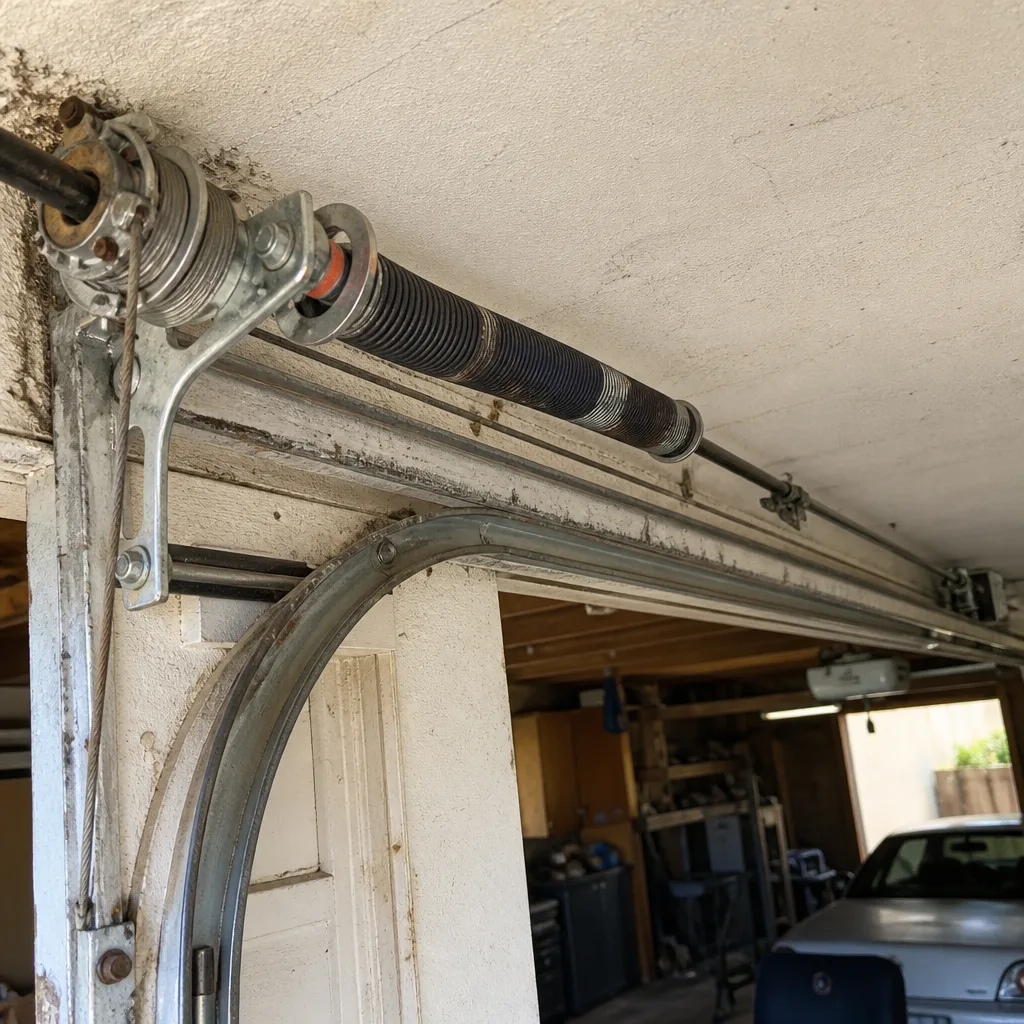 Before
 After
 Before
 After
 Before
 After