
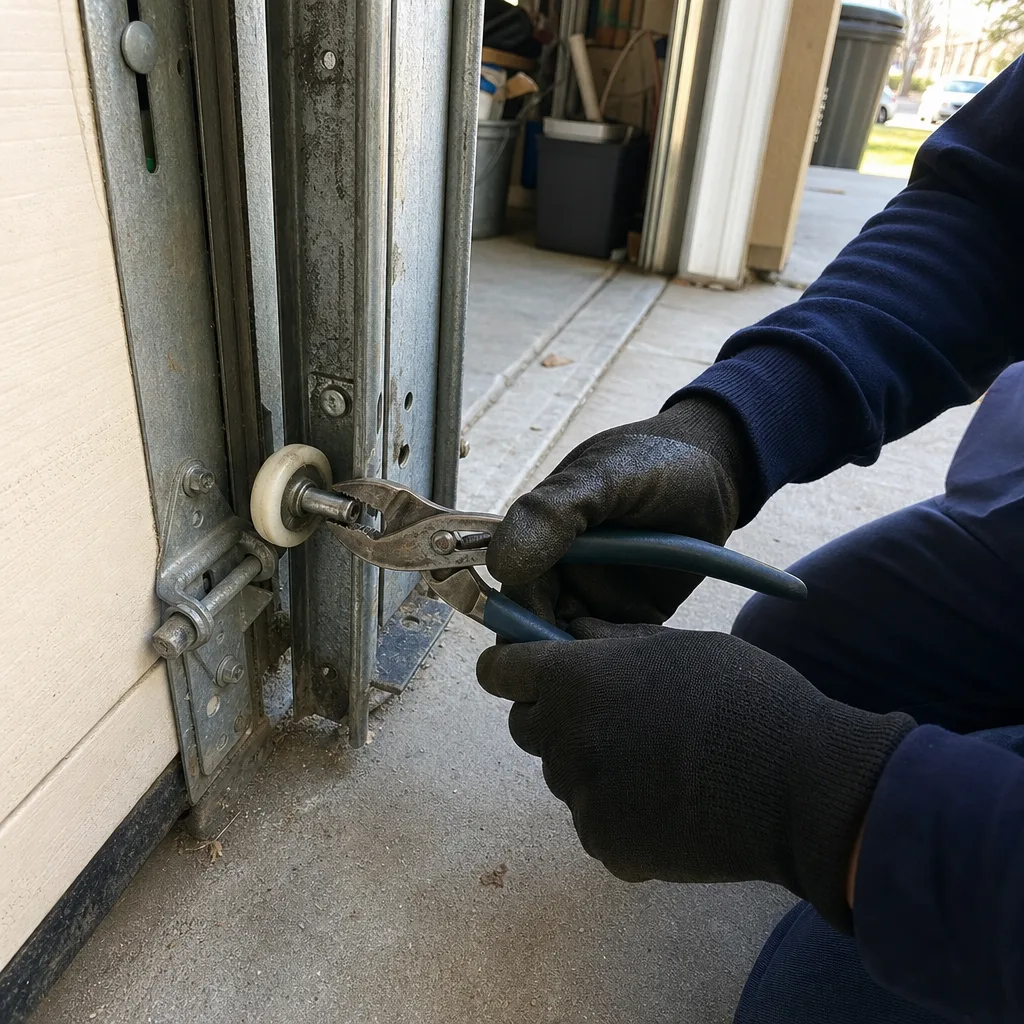
Last updated November 2, 2026
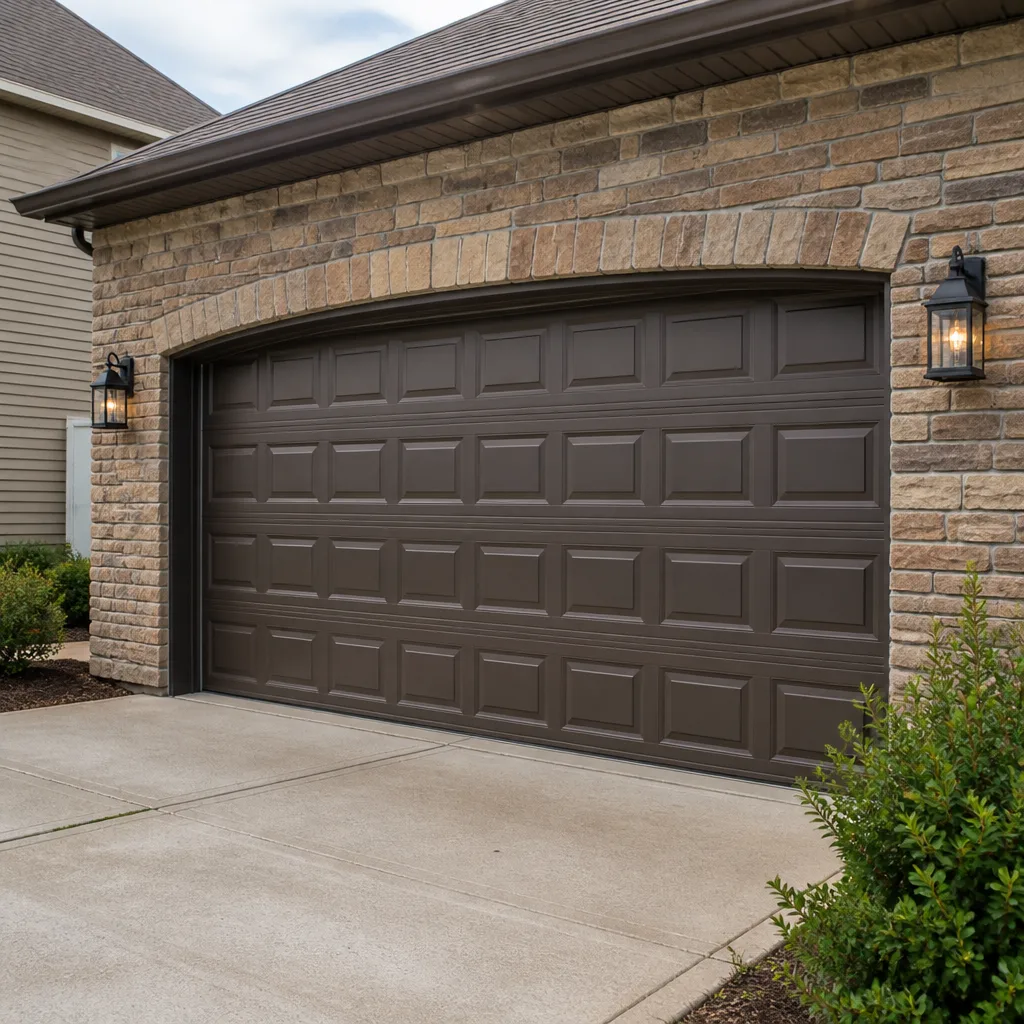 Raised-panel steel
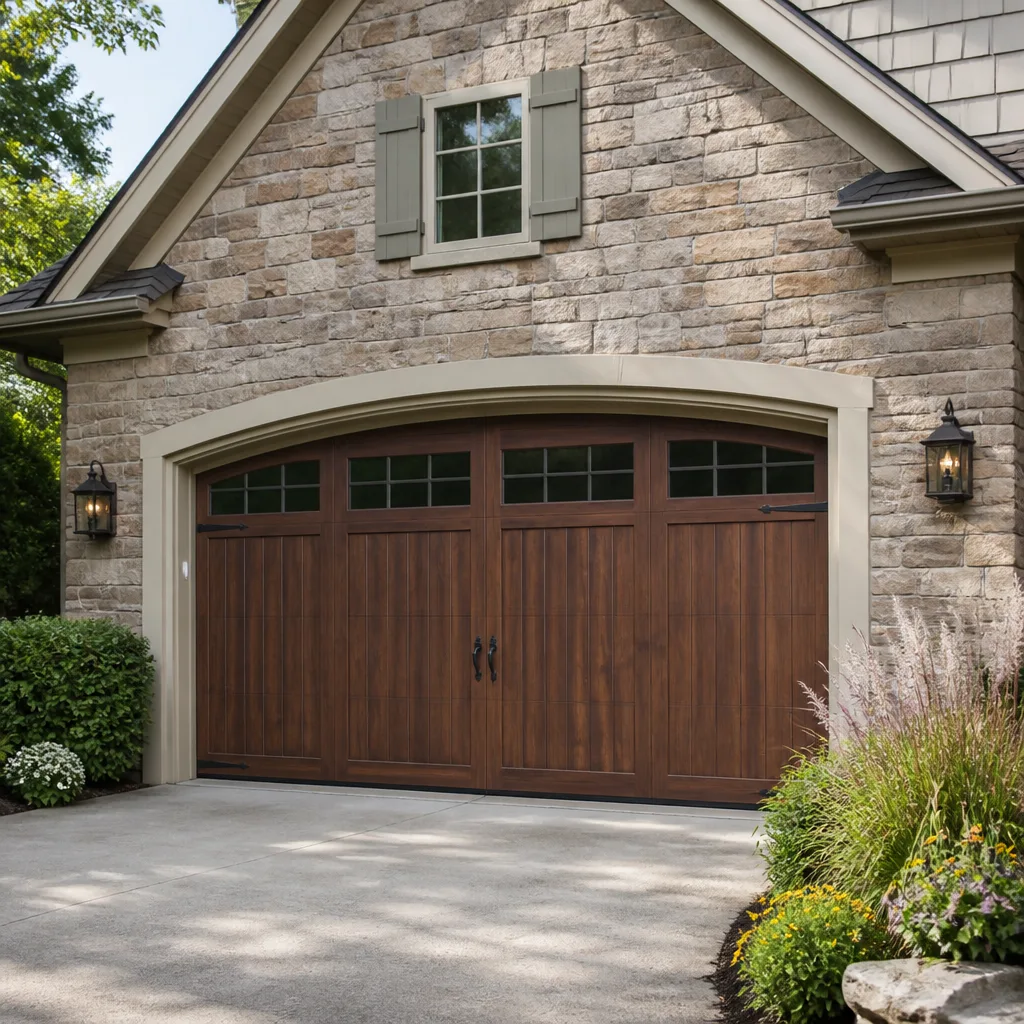 Carriage house
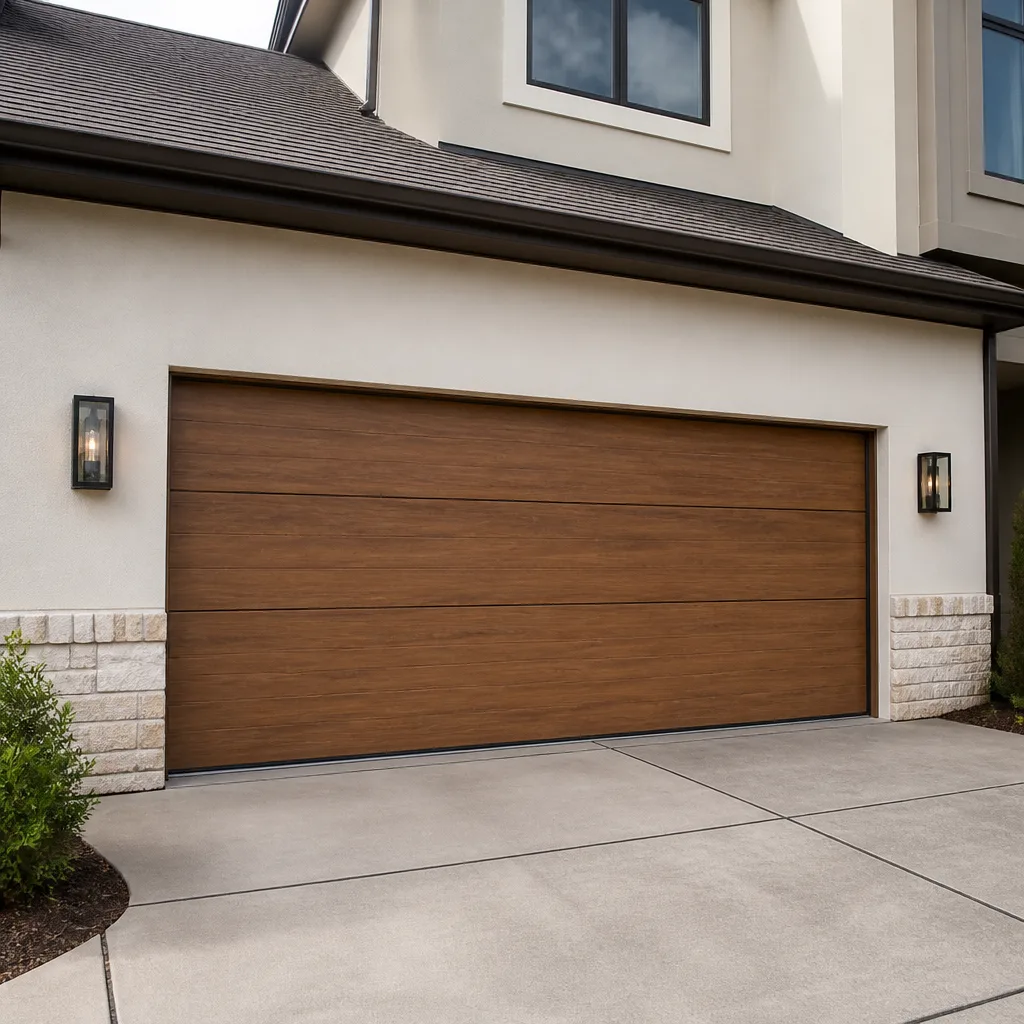 Modern flush
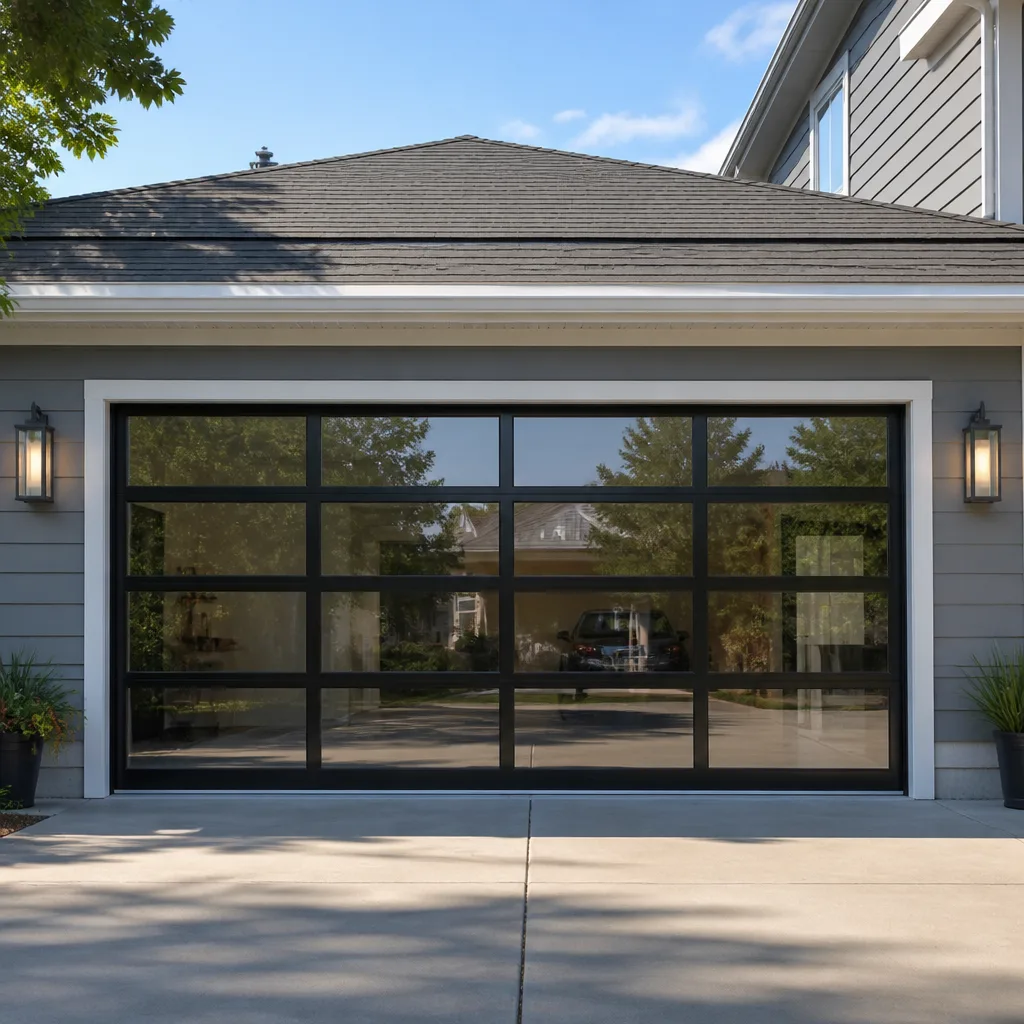 Full-view glass
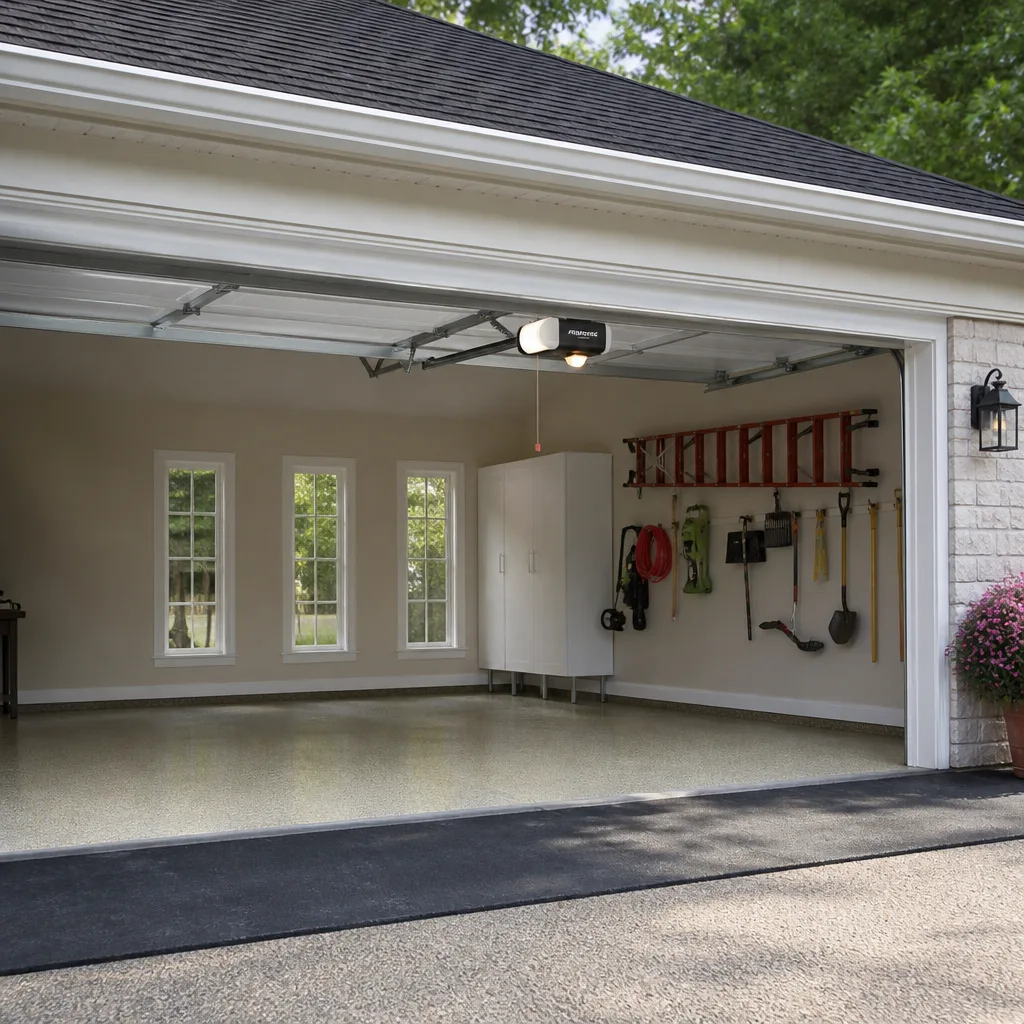 LiftMaster openers
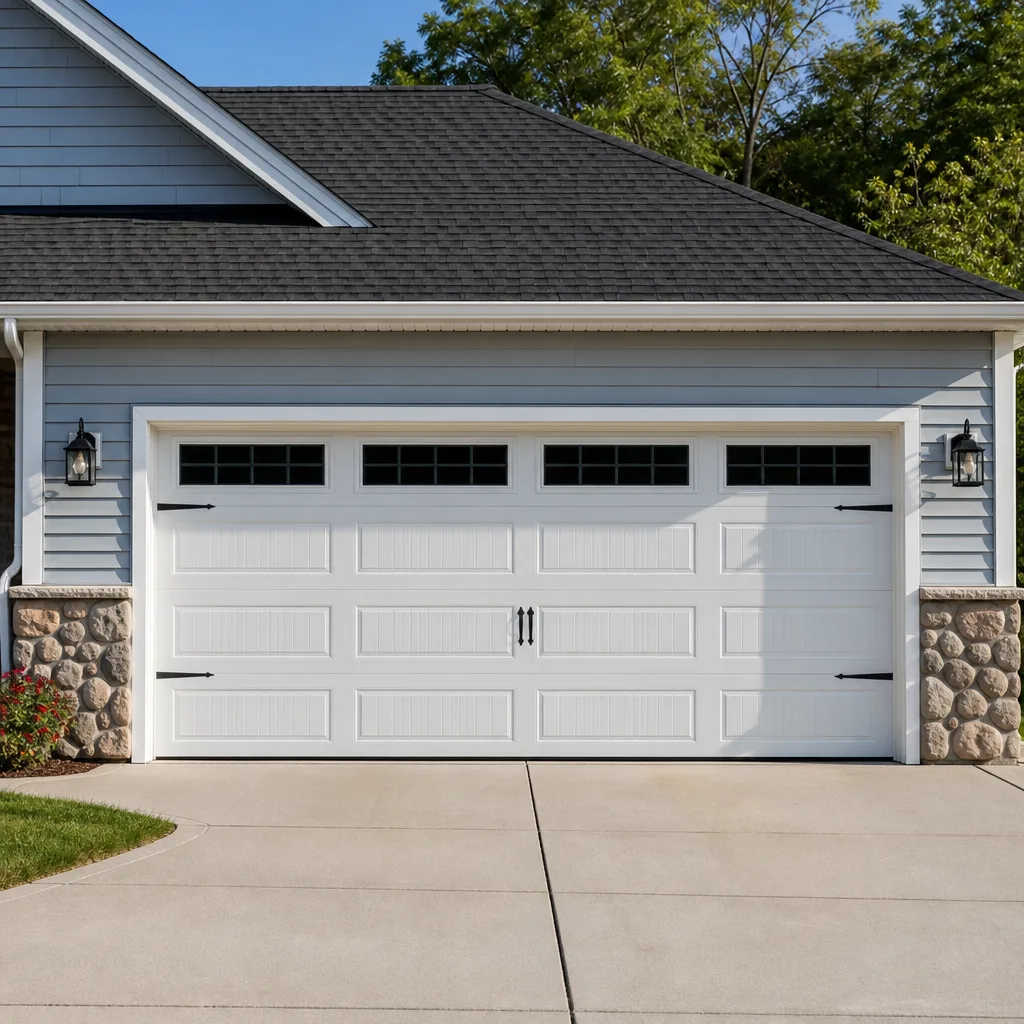 Chamberlain openers
Full 25-point door and opener safety check with every visit - springs, cables, rollers, tracks, and your LiftMaster or Chamberlain opener included
You get a price before we start. It does not change when the truck arrives.
Get your free estimateGarage Door Emergency Preparedness Guide for Hemet Homes
During a Hemet-area wildfire evacuation order, a garage door that only operates electronically and has a non-functional manual release is not just an inconvenience, it’s a potential barrier between your family and the road. Most homeowners in Hemet test their door opener with the wall button or remote and assume everything’s ready. They never pull the red cord. They never check whether the door can be lifted by hand. When power dies and the car is the only exit, that un-tested mechanism becomes the most important component in the house. This guide covers exactly how to prepare your garage door for power outages, wildfire evacuations, and the kind of heat and wind events Hemet’s San Jacinto Valley position makes routine. For permit and code context on any upgrades you make, see our companion piece on Garage Door Permits, Codes & Inspections in CA: What You Need to Know.
Quick Answer
Garage door emergency preparedness for Hemet homes means three things: a working manual release cord you’ve tested within the last six months, a battery backup opener rated for extended outages, and a pre-planned method to secure or close the door manually from outside during an evacuation. We’ll walk through each step below, including the specific mistakes that leave doors jammed when you need them most.
Styles & brands we work with
- Raised-panel steel
- Carriage house
- Modern flush
- Full-view glass
- LiftMaster openers
- Chamberlain openers
Table of Contents
- The Manual Release Cord: How It Actually Works (and the Mistake That Jams It)
- Battery Backup Openers for Hemet’s Outage Patterns
- Wildfire-Specific Garage Door Preparation for Evacuation
- What to Do When the Door Fails Mid-Emergency
- Post-Emergency Inspection: Power Surges, Wind, and Heat
- A Maintenance Routine That Keeps the Door Ready Year-Round
- Common Mistakes to Avoid
- When to Call a Professional
- Frequently Asked Questions
The Manual Release Cord: How It Actually Works (and the Mistake That Jams It)
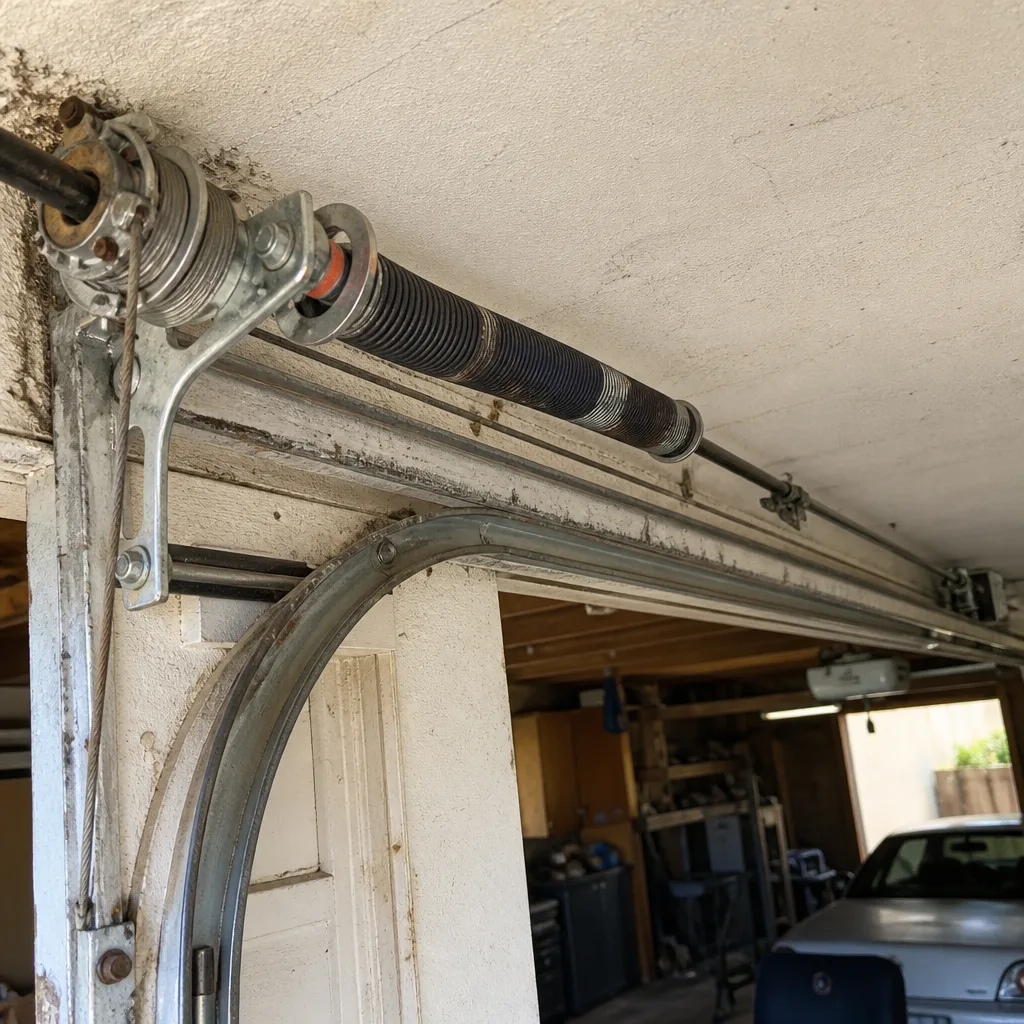
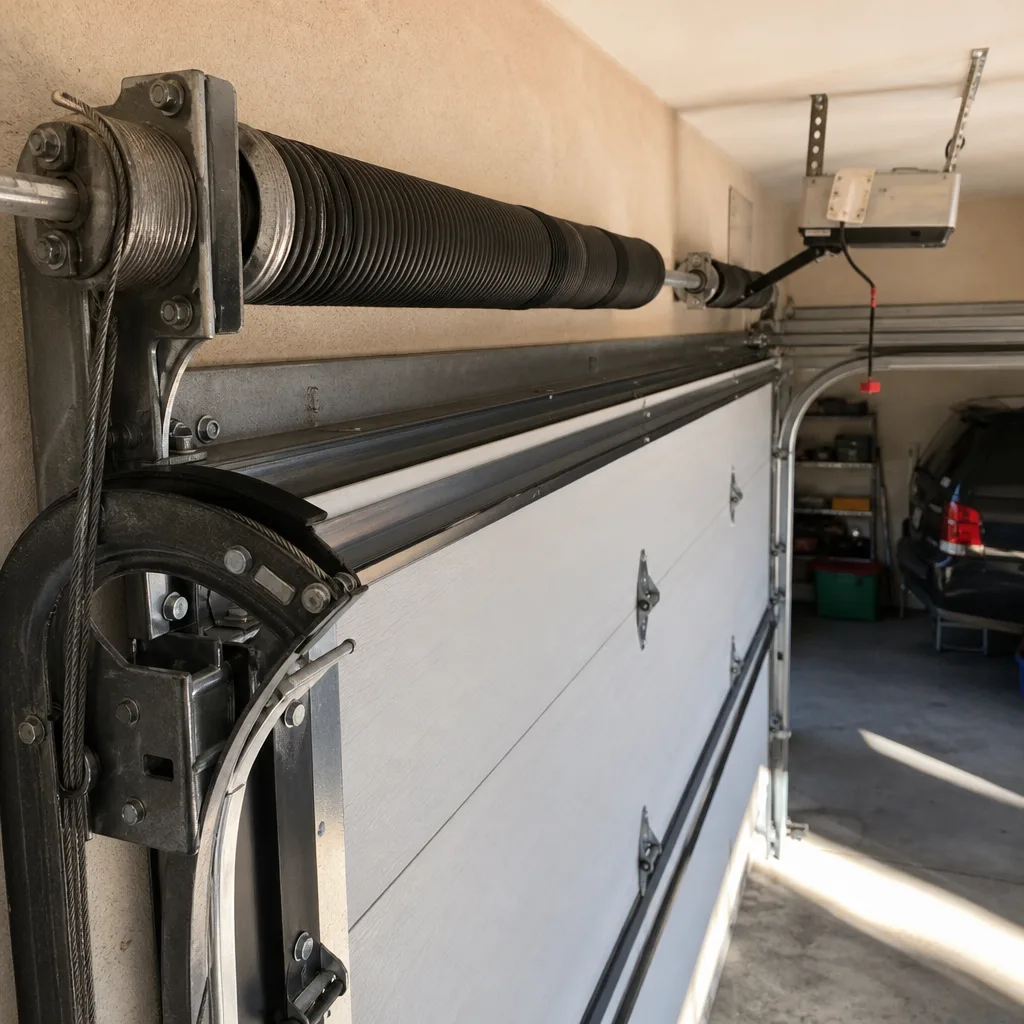
Every automatic garage door has a manual release mechanism, usually a red cord hanging from the trolley that connects the door to the opener rail. Pulling that cord disconnects the door from the opener carriage, which is supposed to let you lift or lower the door by hand. In our experience across Hemet, from newer tract developments east of Sanderson Avenue to older homes near downtown, roughly one in three doors we inspect has a manual release that won’t work when actually tested. The owner pulls the cord, hears it click, and assumes the door is free. It isn’t.
The most common failure happens when the door is open when the cord is pulled. The carriage disconnects, but the door’s full weight is now supported by nothing. If the springs are worn or slightly out of balance, the door slams down or won’t budge. The opener then re-engages on the next cycle with the door in the wrong position, and the release cord jams against the rail. Pulling harder doesn’t help. The cord snaps or the internal catch bends.
Here’s the correct sequence to test your manual release in Hemet conditions:
- Close the door first. A closed door keeps spring tension balanced and makes manual lifting realistic.
- Pull the red cord down and toward the door. You should hear a distinct click and the cord should stay slightly extended.
- Lift the door by the handle or bottom edge. It should raise smoothly with moderate effort, about 8 to 15 pounds of force. If you’re straining, call a professional before you need this in an emergency.
- Lower the door fully. It should stay down without creeping.
- Re-engage the opener by running the opener once while the door is in the closed position. The carriage should reconnect automatically.
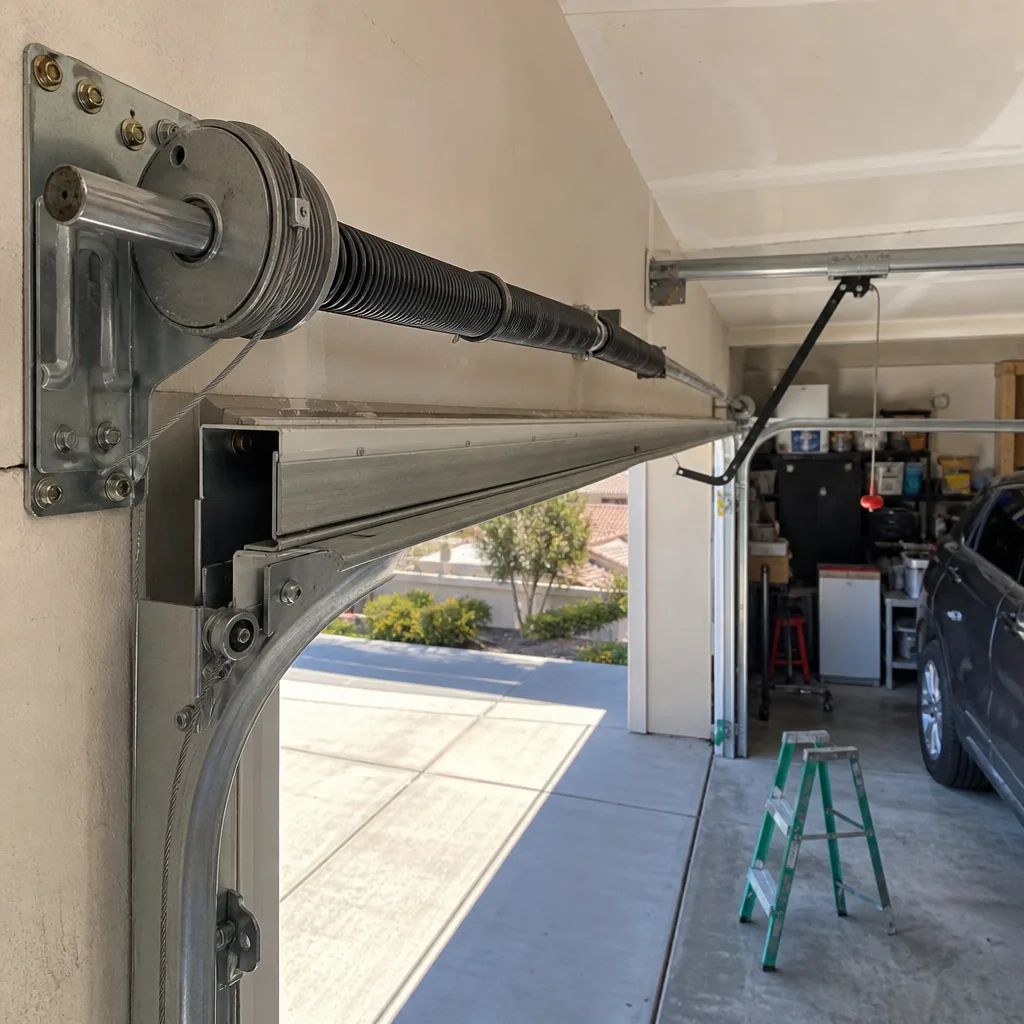
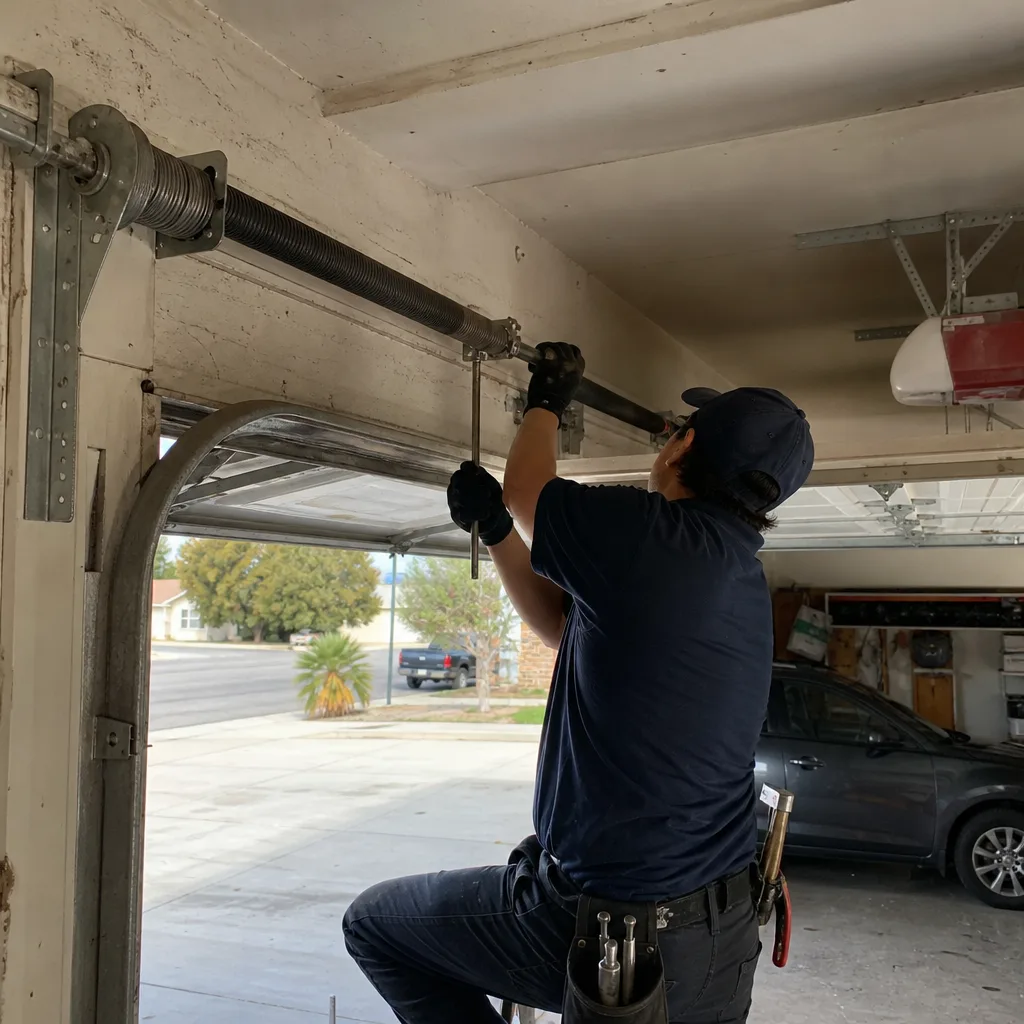
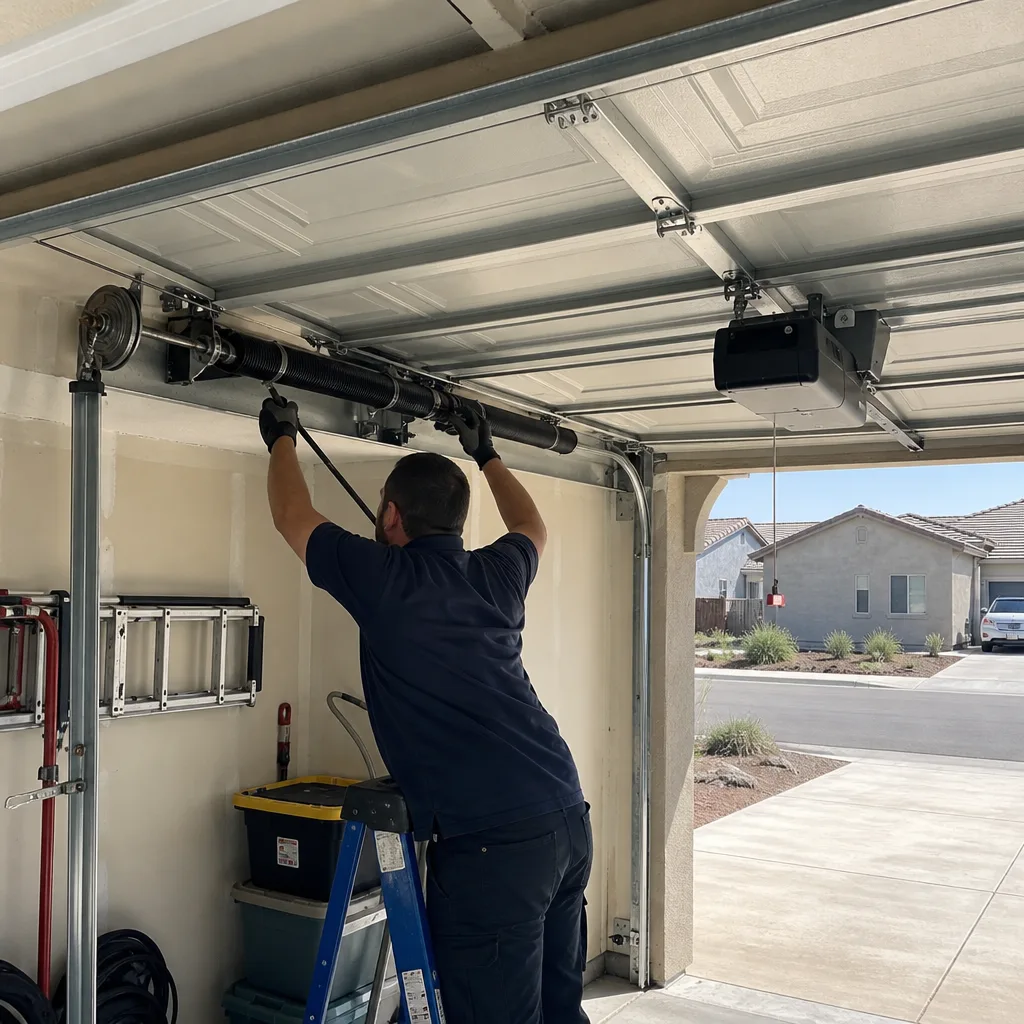
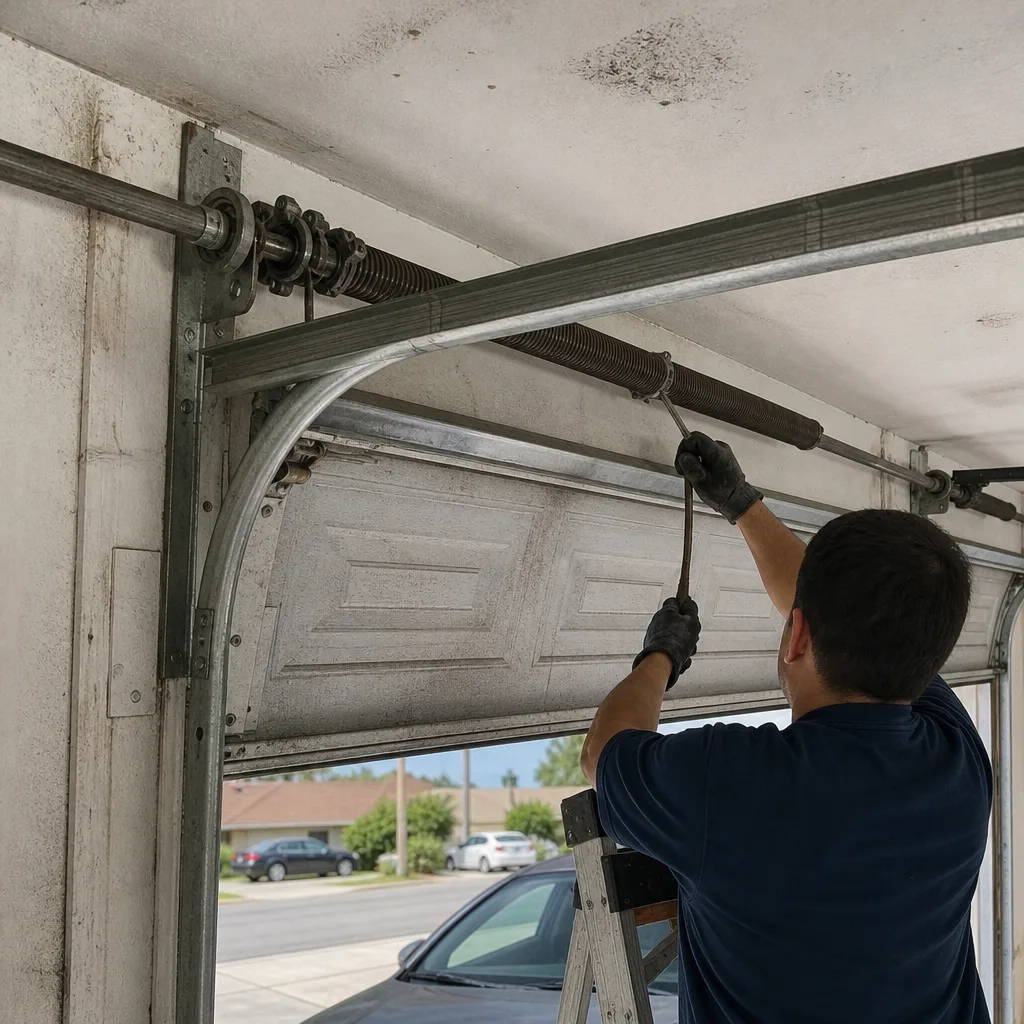
If the door is too heavy to lift manually, the torsion springs have lost tension or failed. That’s not something to fix yourself. Torsion springs on a Hemet garage door hold 150 to 250 pounds of stored energy. A failed spring under load can cause serious injury. Our team at Garage Door Repair in Hemet replaces these daily, and every technician started in this trade working on doors, not plumbing calls or electrical panels. The manual release only matters if the door can actually move by hand.
Battery Backup Openers for Hemet’s Outage Patterns
Hemet sits in a region where Southern California Edison frequently implements Public Safety Power Shutoffs during high-wind and low-humidity days. These outages can last from several hours to multiple days. A standard garage door opener draws between 400 and 600 watts when operating, and it does nothing when the power is out. If your car is in the garage and the opener has no backup, you’re either manually lifting the door or you’re not leaving.
Battery backup units solve this by routing DC power from an internal or external battery to the opener motor. Not all backup systems are equal, and in Hemet’s summer heat, where garage temperatures routinely exceed 100°F even with ventilation, battery chemistry matters. We recommend looking for these specifications if you’re selecting a unit:
- Runtime rating clearly stated. Most quality backup systems from LiftMaster and Chamberlain will operate the door 20 to 50 times on a single charge. A unit that doesn’t list cycle capacity isn’t worth installing.
- Heat-rated battery enclosure. Lead-acid batteries degrade quickly in sustained heat. Look for lithium-ion or AGM batteries with a stated operating range that includes 120°F ambient.
- Automatic recharge and self-test. The system should recharge when grid power returns and perform a scheduled self-diagnostic. Genie’s integrated backup systems do this well and alert with an audible beep when the battery needs replacement.
- Surge protection built into the logic board. Hemet’s monsoon-season lightning and the switching transients from Edison’s grid can fry opener control boards. A backup system that also protects the board is worth the extra cost.
Retrofitting a battery backup to an existing opener is possible on most modern LiftMaster and Chamberlain models with a dedicated backup port. On older units, full opener replacement is the cleaner route. Our Garage Door Opener Repair in Hemet service covers both paths, and because we work on eight major brands including LiftMaster, Chamberlain, Genie, Clopay, Amarr, Wayne Dalton, Craftsman, and Raynor, we rarely encounter a door or opener we can’t match parts for.
Wildfire-Specific Garage Door Preparation for Evacuation
Hemet’s position along the San Jacinto Valley floor means fire risk from the foothills to the east and brush corridors along Highway 74. Evacuation orders don’t always come with hours of notice. In 2023, when the Rabbit Fire burned through the hills south of town, some residents had less than 20 minutes between notice and mandatory departure. In that window, every second spent fumbling with a stubborn garage door is a second not spent on the road.
Here’s a wildfire-specific preparation sequence we recommend to Hemet homeowners:
- Test the manual release monthly during fire season. May through October is the window. Set a calendar reminder for the first Sunday of each month.
- Install a keyed emergency release kit. This is a small lock cylinder mounted through the top panel of the door, connected by cable to the manual release. It lets you disengage the opener from outside using a key. If the power is out and the garage is closed, this is the only way to get the door open from outside without breaking glass or forcing the panel.
- Leave one car parked outside during red flag warnings. If your household has two vehicles, keep one in the driveway overnight when the National Weather Service issues a red flag warning for the San Jacinto Valley. That car is your guaranteed exit.
- Clear the garage door track path. Boxes, bikes, and yard tools stacked near the track or against the door can wedge it shut when you’re lifting manually. A door that binds halfway up in an evacuation is worse than one that never opened.
- Know how to close the door from outside without power. Pull the emergency release from outside using the keyed kit, then lower the door by hand. Do not leave the door open during a fire evacuation. An open garage creates a wind tunnel that accelerates fire spread through the structure.
We also recommend photographing your door’s manual release setup and storing that photo on your phone. In a high-stress evacuation, even a routine pull-the-cord action becomes difficult to recall. A photo takes 10 seconds to snap and removes the guesswork.
What to Do When the Door Fails Mid-Emergency
Every preparation plan has a failure point. If the door won’t open during a power outage, the manual release won’t disengage, the spring has snapped, or the door has come off its track, you need a fallback that doesn’t depend on the door at all.
First, move to the alternate exit. Every garage in Hemet built after 1990 is required to have a pedestrian door or a direct entrance to the home. If that door is blocked, clear it now, before an emergency forces the issue. We’ve walked into garages in Hemet where the side door was blocked by a freezer, a workbench, and a stack of moving boxes. That door is your evacuation route when the main door fails.
If the door is stuck in the open position and you cannot close it manually, temporary securing methods are limited. A door stuck open during high winds can slam, warp, or pull itself off the track and drop. Do not attempt to climb a ladder and force the door down. Do not place objects under the door to hold it – a falling sectional door weighs between 130 and 200 pounds with no spring assistance. Instead:
- Disconnect the opener so an automatic cycle cannot start while the door is jammed.
- Block the path with a vehicle if you have a second car and the door is only partially open, preventing anyone from driving in or out.
- Call a garage door specialist immediately. This is not a general contractor job. Doors under spring tension require the right tools and training. Garage Door Service Hemet home dispatches technicians who do nothing but garage doors. One call, one specialist.
A stuck door doesn’t wait. And in Hemet’s fire season, neither do you.
Post-Emergency Inspection: Power Surges, Wind, and Heat
After any power surge from a grid restoration, high-wind event, or prolonged heat emergency, your garage door needs a functional inspection before you resume normal daily use. We recommend this sequence for Hemet homeowners:
- Run the opener once with no vehicle in the door path. Listen for grinding, clicking, or excessive vibration. Any new noise means something changed.
- Check the door balance manually. Disconnect the opener with the door closed, then lift the door about three feet off the ground and release. A properly balanced door stays in place. If it drops, the springs are worn or damaged. If it shoots up, the springs are over-tensioned. Both conditions strain the opener and shorten its life.
- Inspect the track alignment. Look down each vertical and horizontal track. High winds common in Hemet’s spring months can bow a track half an inch, which is enough to cause a derailment within days.
- Test the auto-reverse safety sensors. Place a roll of paper towels in the door’s path and close it. The door should reverse within two seconds of contacting the object. If it doesn’t, the opener logic board may have been damaged by a surge.
- Check the emergency release cord for slack. A cord that hangs loose with no tension suggests the carriage is partially disengaged. Re-engage it by running the opener through a full cycle with the door closed.
Power surges are particularly hard on opener logic boards and the small DC motors inside smart openers. We see a spike in opener repair calls in Hemet after every significant Edison switching event. The boards in LiftMaster and Chamberlain openers are now integrated with the backup battery and Wi-Fi modules, which means a single surge can disable remote access, battery charging, and the wall control simultaneously. If your opener has power but won’t respond to any input, that’s the board. Our team carries replacement boards for the major brands and can often restore a unit same-visit.
A Maintenance Routine That Keeps the Door Ready Year-Round
Emergency preparedness is not a once-a-year task. It’s a set of small, repeatable checks that take less than 10 minutes a month. Here’s the routine we recommend to every Hemet customer, tailored to the Valley’s climate:
Monthly (5 minutes): Test the manual release. Check that the auto-reverse sensors are aligned and clean. Look for loose hardware on the track brackets. In summer months, wipe dust from the sensor lenses; Hemet’s dry-season dust is fine enough to coat a lens and block the beam.
Quarterly (15 minutes): Lubricate the rollers, hinges, and torsion springs with a silicone or lithium-based lubricant. Do not use WD-40 on springs; it’s a solvent, not a lubricant, and it dries out the metal. Check the balance by lifting the door manually. Inspect cables for fraying along the bottom brackets.
Annually (30-45 minutes): Have a professional inspect the full system. Springs, cables, rollers, track, opener drive, safety sensors, and the manual release all get a functional test. A door that’s been properly maintained will give you an honest 15 to 20 years of service; a neglected door in Hemet’s heat and dust often fails its springs in 5 to 7 years.
For homes where the garage is the primary vehicle storage, this routine is not optional maintenance. It’s the difference between a door that opens every time and a door that chooses the worst possible moment to fail.
Common Mistakes to Avoid
- Never testing the manual release because “it worked last year.” Springs lose tension gradually, often without visible change. A door that was easy to lift 12 months ago can be impossible today. Test monthly during fire season.
- Pulling the release cord while the door is open. This is the single most common mistake we see in Hemet. The door drops or jams, the carriage misaligns, and the emergency you were preventing becomes the emergency you have.
- Using WD-40 on torsion springs and rollers. It displaces moisture and attracts dust. Hemet’s alkaline dust accelerates wear. Use silicone spray or white lithium grease instead.
- Stacking boxes or storing equipment in the door’s path or near the track. A door that binds on a tote bin halfway up leaves you with a partial opening. In an evacuation, that’s a blocked exit.
- Ignoring a door that closes but makes a new noise. A squeak, grind, or clicking sound is early warning of a failing roller, loose bracket, or worn spring. Each of these failures is cheaper to fix before it becomes an emergency.
- Assuming the opener’s auto-reverse still works because it passed inspection when the house was built. Safety sensors age, lenses get coated with dust, and alignment drifts. Test the reverse function every month, not every year.
- Leaving the garage door open during a fire evacuation. An open garage door creates a chimney effect that pulls fire and embers into the structure. Always close the door manually before you leave, even if it takes an extra two minutes.
When to Call a Professional
If your garage door is too heavy to lift manually, the springs have reached the end of their service life and need professional replacement. If the door derails or comes off its track, do not force it back – the panels weigh more than they look and the track brackets are under warp tension. If the opener runs but the door doesn’t move, the drive gear or carriage has failed and needs a specialist’s diagnostic. If your emergency release cord is broken, jammed, or won’t re-engage, the internal catch assembly is likely damaged. And if you’re preparing for fire season and want a full readiness inspection, a professional can test every component in under an hour. Garage Door Service Hemet offers free estimates in Hemet. Call (833) 589-9121 and we’ll send a garage door specialist, not a generalist doing doors on the side.
Frequently Asked Questions
Pull the red emergency release cord down and toward the door while the door is closed, then lift the door by its handle or bottom edge. If the door won’t lift with moderate effort, the springs need professional attention. If you have a keyed emergency release kit, you can also disengage the opener from outside the garage.
Most quality battery backup systems from LiftMaster and Chamberlain will operate the door 20 to 50 cycles on a full charge, which covers most multi-day outages for a household that opens the door once or twice daily. Look for a unit with a stated cycle count and a heat-rated battery. Extended Hemet heat shortens lead-acid battery life significantly.
Do not attempt to open the door manually with a broken spring. The door’s full weight is unsupported and a fall can cause serious injury. Use a side pedestrian door or interior door to exit the home, then call a professional. Garage Door Service Hemet responds to spring failures across Hemet and carries springs for eight major door brands, including Clopay and Amarr.
Many LiftMaster and Chamberlain openers manufactured in the last 10 years have a dedicated battery backup port. Genie openers also offer retrofit options on select models. If your opener predates these systems, full replacement is usually the better route. Our team can assess your opener and recommend the right path.
Monthly during fire season, May through October, and at minimum every other month the rest of the year. Hemet’s heat accelerates spring fatigue and dust accumulation on tracks and sensors. A 5-minute monthly test catches problems before they become emergencies.
Yes. A keyed emergency release kit can be installed on most sectional garage doors, including Clopay and Wayne Dalton models. It requires drilling a single hole through the top panel and connecting the cable to the manual release. Our technicians install these regularly for Hemet homeowners preparing for wildfire season. Call (833) 589-9121 for a free estimate.
The Bottom Line
Garage door emergency preparedness in Hemet comes down to three things you can do this weekend: test your manual release cord with the door closed, install or verify a battery backup system, and add a keyed emergency release if you don’t have one. Hemet’s wildfire risk, Edison power shutoffs, and summer heat make these steps more than routine maintenance. They’re part of your evacuation plan. If your door fails any test in this guide, don’t wait for the emergency. Call (833) 589-9121 and get it fixed before the next red flag warning. Your brand, our expertise.
Written by the team at Garage Door Service Hemet, serving Hemet since 2018.
See the difference
 Before
 After
 Before
 After
 Before
 After